One of the reasons why Venice was so successful as a republic was its unique governance structure in which the merchant aristocracy was closely involved in the rule of the city. At the head of the republic was “Il Doge”, the Duke, and the Doge’s palace, “Palazzo Ducale”, was the seat of power. Meant to impress visiting dignitaries, it is overwhelmingly impressive to lowly visiting tourists.
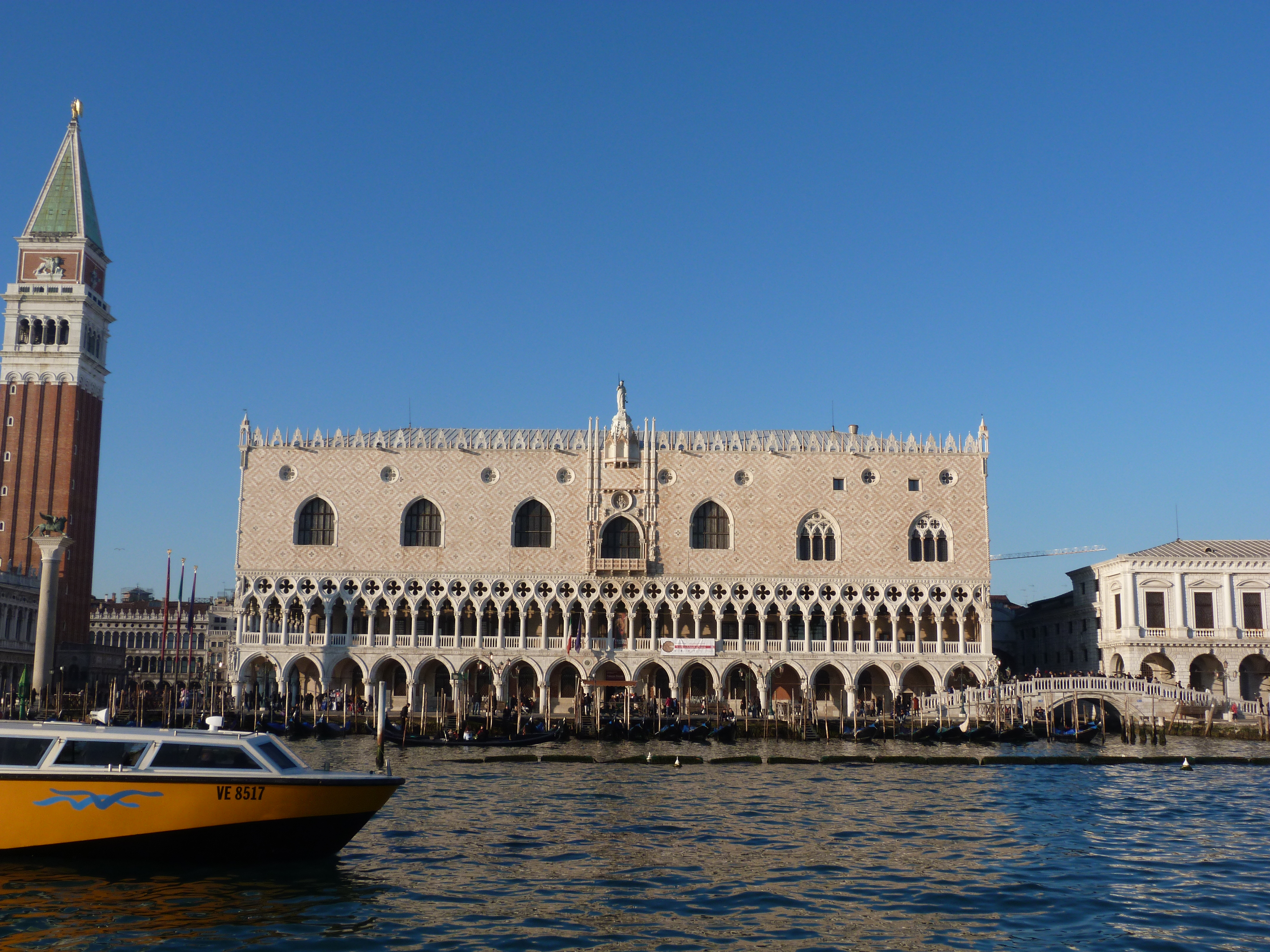
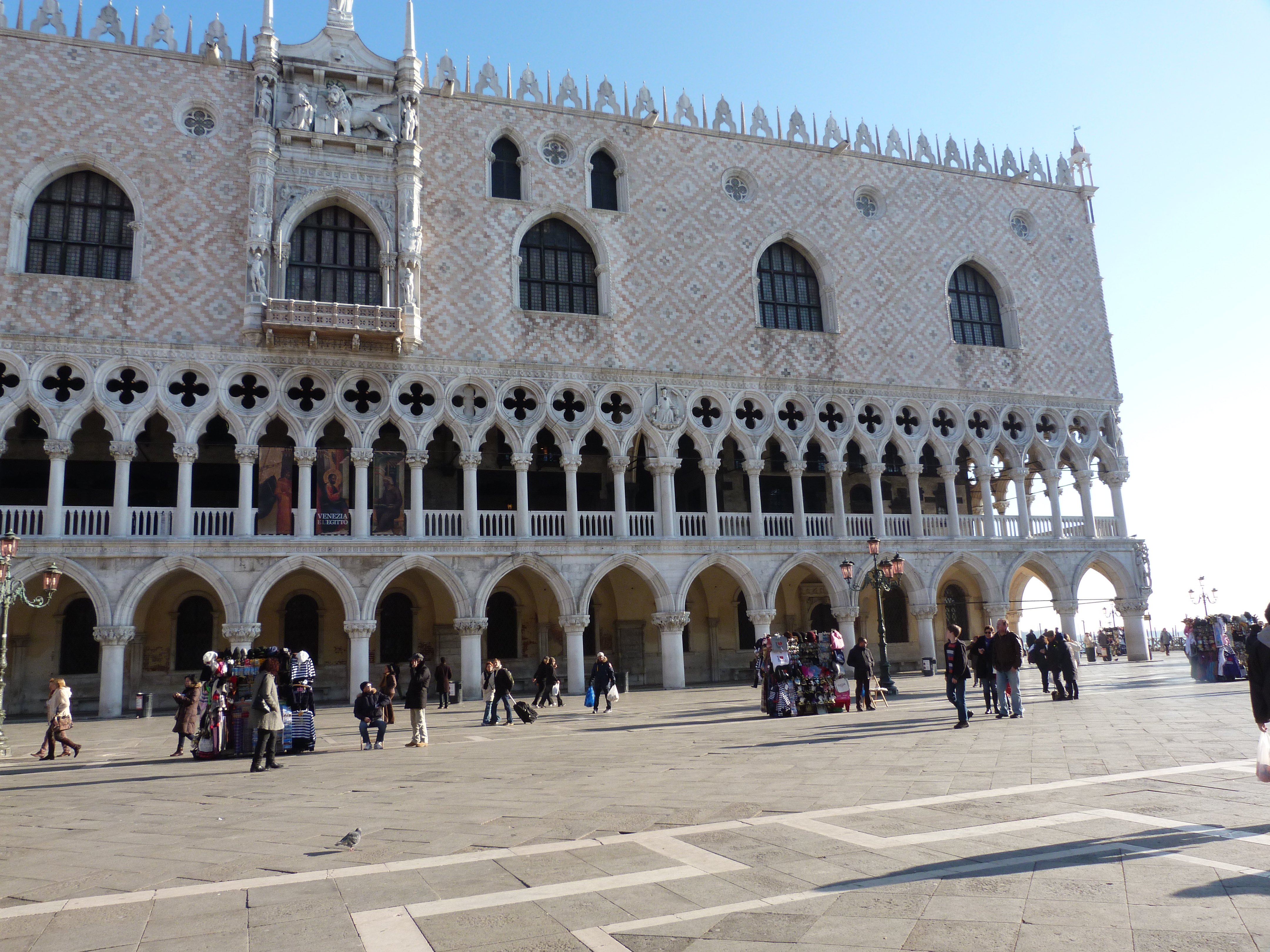

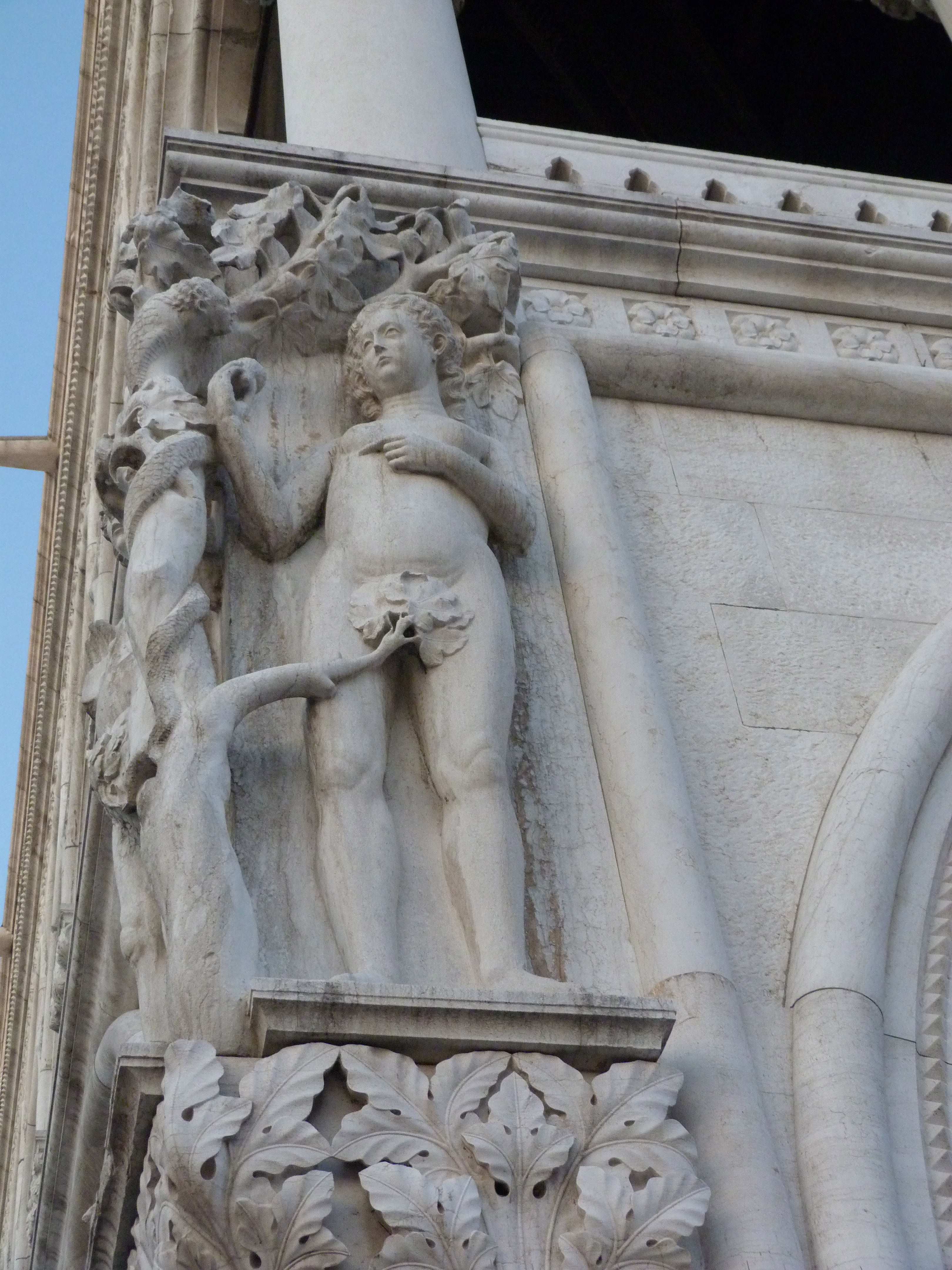
Venice was the centre of the universe. Covering the walls of the Map Room are huge 16thcentury maps of the known world, with everything radiating outwards from Venice. The palace is filled with paintings by Titian, Veronese, Bassano, and Tintoretto, everything placing Venice at the centre of the action. Every room is filled, every corner has detail, and excess is the model.
The Sala del Maggior Consiglio is the largest room in all of Europe, 53’ long x 25’ wide x 12’ high. Tinteretto’s painting “Paradise”, covers one entire wall and is the largest canvas in the world. The room was designed to hold over 2000 men from the merchant aristocracy who came on a weekly basis to share in the governing of Venice. It is unspeakably vast, as though a whole piazza was put inside the palace. There are portraits around the walls of all of the known Doges, all except for Doge Marin Faliero who, for attempting a coup in 1355, was labeled a traitor and beheaded. He was placed in damnatio memoriae meaning that his name and image were totally expunged. He is represented by a painting of a black cloth, with the irony that it ensures that his name and deed live on in tourist books.
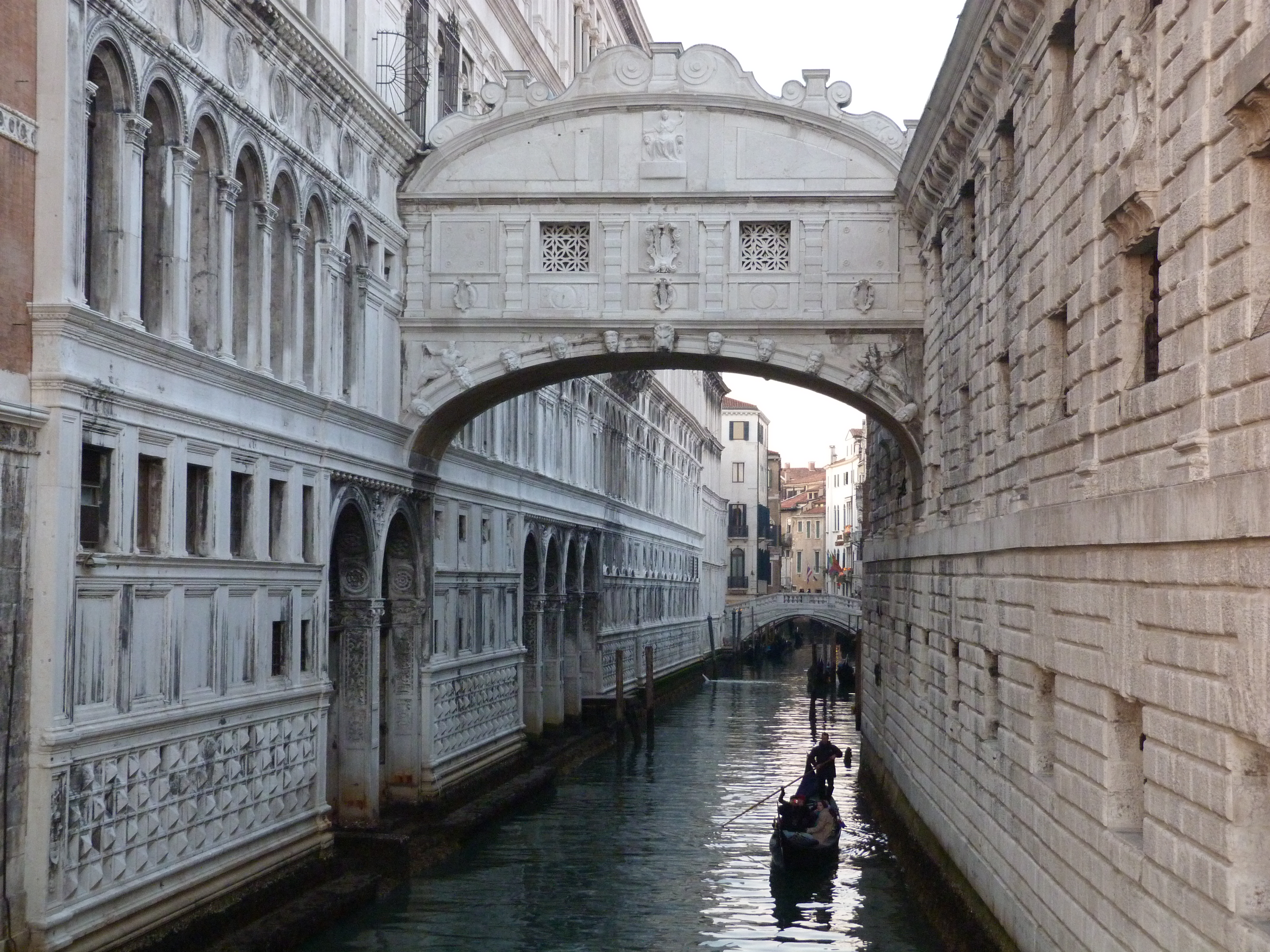
Criminality was on our minds as we wound our way down to the prisons. We walked across “The Bridge of Sighs”, named so by Bryon as the bridge was the last glimpse that a prisoner would have of the outer world as he travelled from the criminal court to the wet, stone cells beneath the palace.
Apparently acclaimed as a paragon of comfort in the 17th century, the cells were cold, dark and cramped, with graffiti carvings and charcoal drawings by 16th and 17th century prisoners. We were relieved to make our way back to the sunshine into the vastness of Piazza San Marco, Napoleon’s “drawing room of Europe”, the place to see and be seen.
Peggy Guggenheim knew all about being seen and about showing what was important to be seen. The Peggy Guggenheim Collection of 20thcentury European and American art is in her Palazzo, where she lived and collected art for over 40 years.
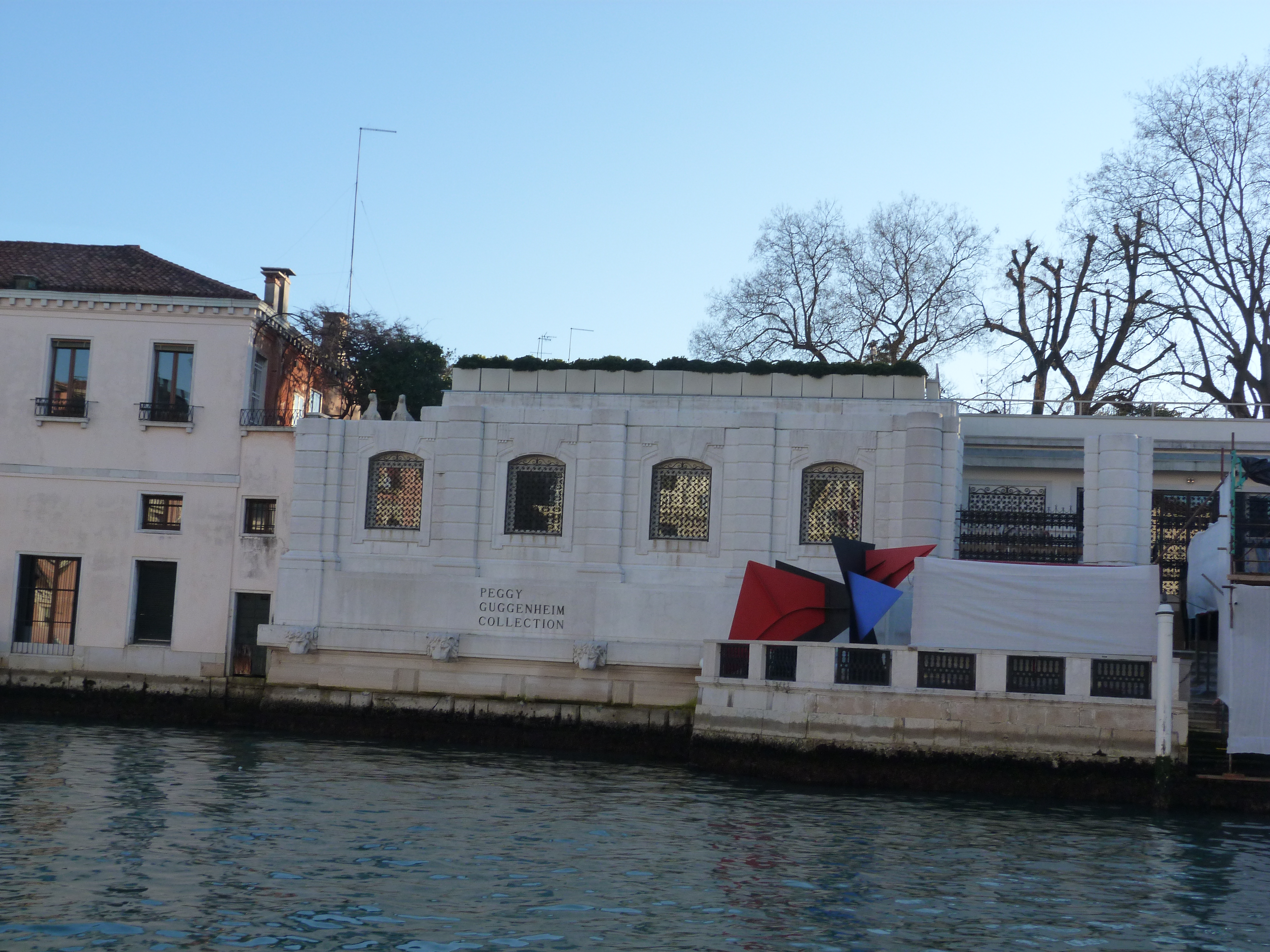
An heiress who met and worked with all of the important visual artists of the 20th century, she brought modern European art to America and American art to Italy. The café in the museum is filled with photos of her at the palazzo – standing beside her Calder bedstead sporting her Calder earrings, or in front of the fireplace with the Brancusi sculpture on the hearth. The current exhibit is “The Avant-Garde, from Picasso to Pollack”. It is a personal and moving collection, a wonderful balance to the excess at Palazzo Ducale. The Guggenheim palazzo was under restoration, so we were not able to visit all of the magnificent rooms, nor visit Peggy’s simple grave in the garden. (As one guide book quipped, it is the only gallery in the world where the patron is buried out back). But even with that, it was one of the best gallery experiences either of us have ever had. Her artistic eye led her to collect pieces that made a profound impact on 20th century art. She was a visionary who helped us to see who we are.

 Stepping off the Treadmill