This is a nation of walkers. And the coastal paths of the National Trust are wonderful. They are varied, well marked and well used. Apparently between 50 – 100 million people visit the National Trust coast and countryside properties each year. The coastal paths circumnavigate the country, inspiring people of all capacities to get out and marvel at the beauty of “this scepter’d isle, This earth of majesty”.
We’ve been going on walks every day. There are a number of good 4 – 5 mile hikes that we can take right from our doorstep. On Saturdays, we try to choose longer paths of 5 – 10 miles.
The Salcombe to Gara Rock hike began with a ferry ride across the harbor to the East Portlemouth side of the estuary. A paved road led us to the sandy beach of Mill Bay, a perfect, fine sand beach with a few bouncing dogs and children out enjoying the spring weather.

The path then began its ascent, taking us past Biddlehead Point, Sunny Cove and the Hipples until the headland turned and we faced the full force of the Atlantic. Historically, vigorous sea trade moved through these waters. For centuries, the mariner’s existence both contrasted and complimented the tranquil rural existence of the farmers. Unlike other rocky shores, the soil here is rich and arable. On the headland opposite, Deckler’s Cliff, we could see Bronze age field systems, clearly visible as earthworks under the soil. It is humbling to think that this land has been under cultivation for thousands of years, and it still retains its rural roots.
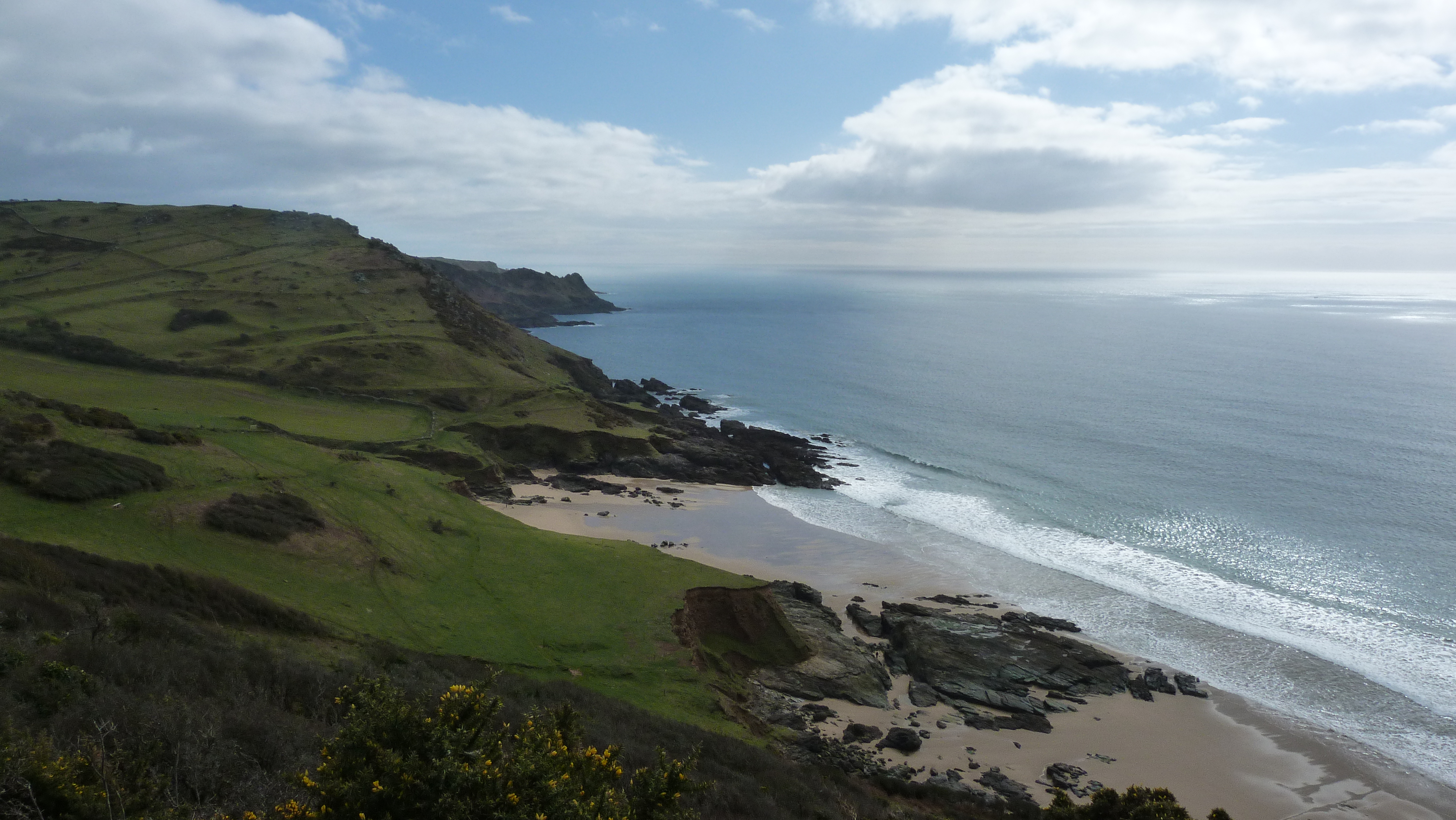
We negotiated paths up and down the cliff face past Great Abraham’s Hole and Little Abraham’s Hole to the lookout at Gara Rock. (Sometimes I think the best thing about these walks are the names.)

Just beyond Gara Rock is Moor Sand, where, in 1977, a cache of Bronze Age weapons was found. Archeologists believe that a ship want down here about 3,000 years ago. There has only ever been one other pre-historic wreck found in England.
The waters off these shores are treacherous. The Salcombe Canon wreck, also in this area, found coins and jewels from the 16th and 17th centuries, helping archeologists trace trade between England and Morocco. They think there is probably still a lot more to be found.
From Gara Rock we went down to the beach at Seacombe Sand, a perfect place for our packed picnic of delicious Salcombe Crab sandwiches.
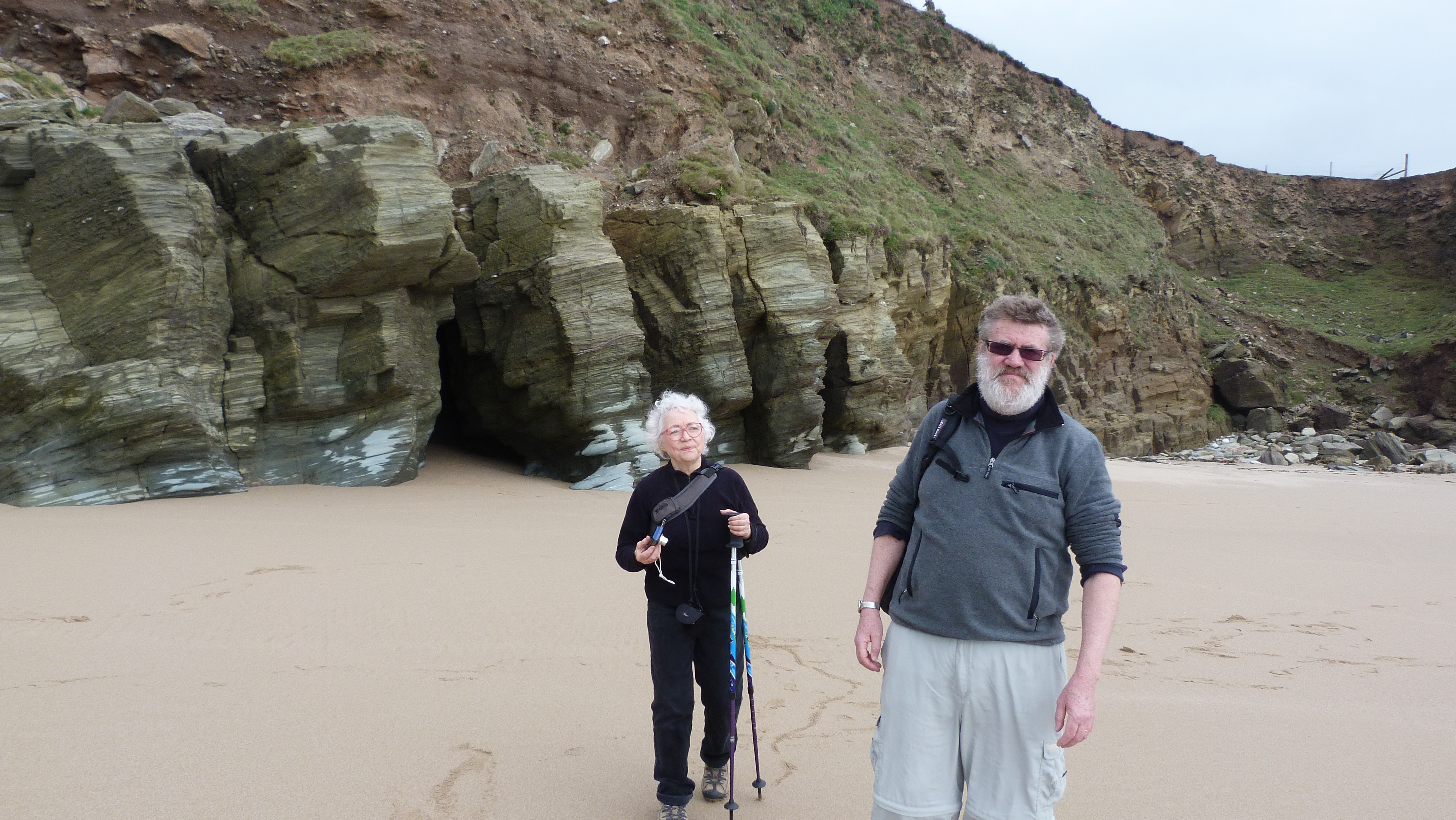
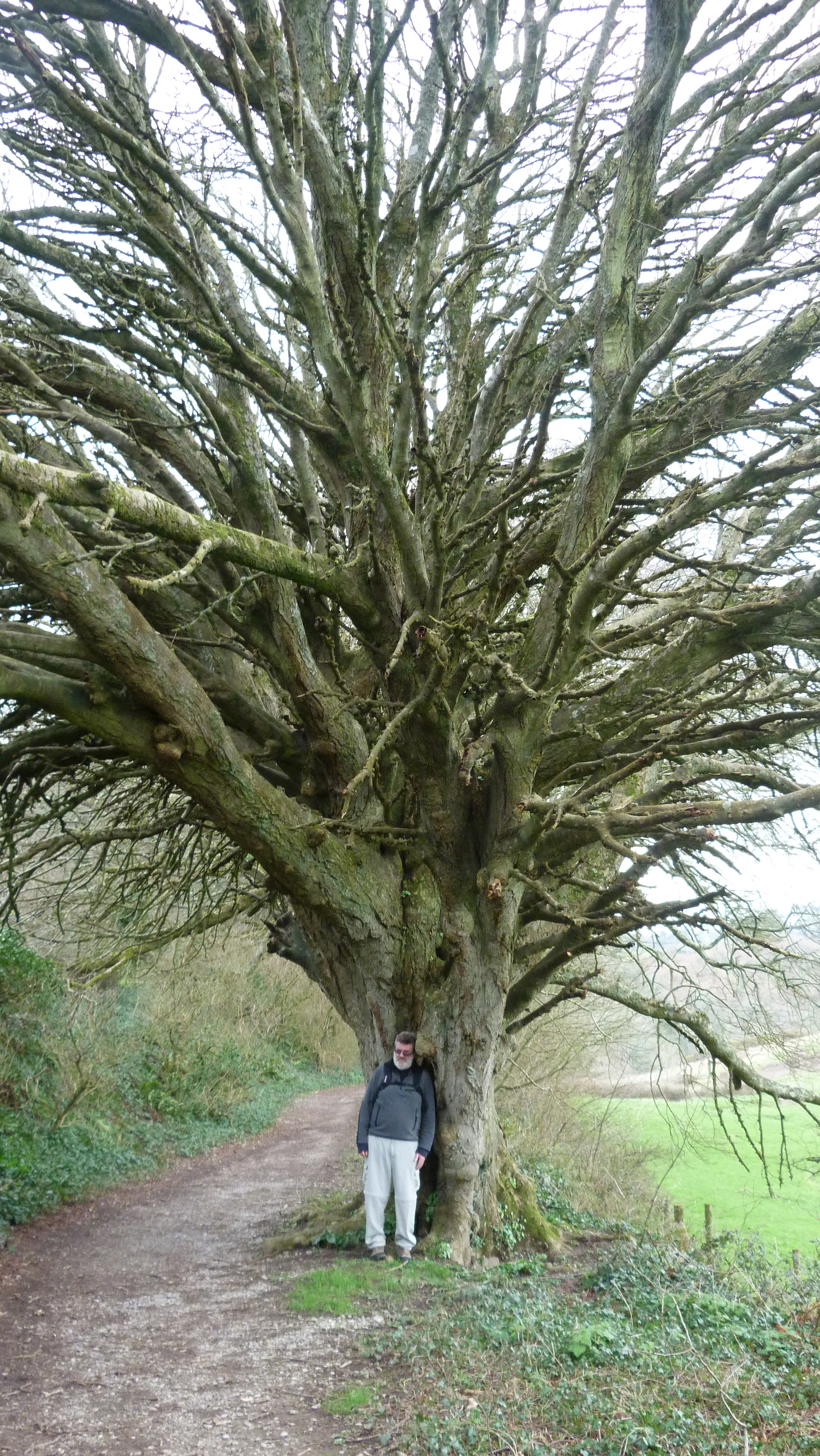
But we didn’t dawdle, as it looked like a storm might be blowing up. We headed back through deep green leafy woods, a less steep, less dramatic path but one that offered an entirely different flora.
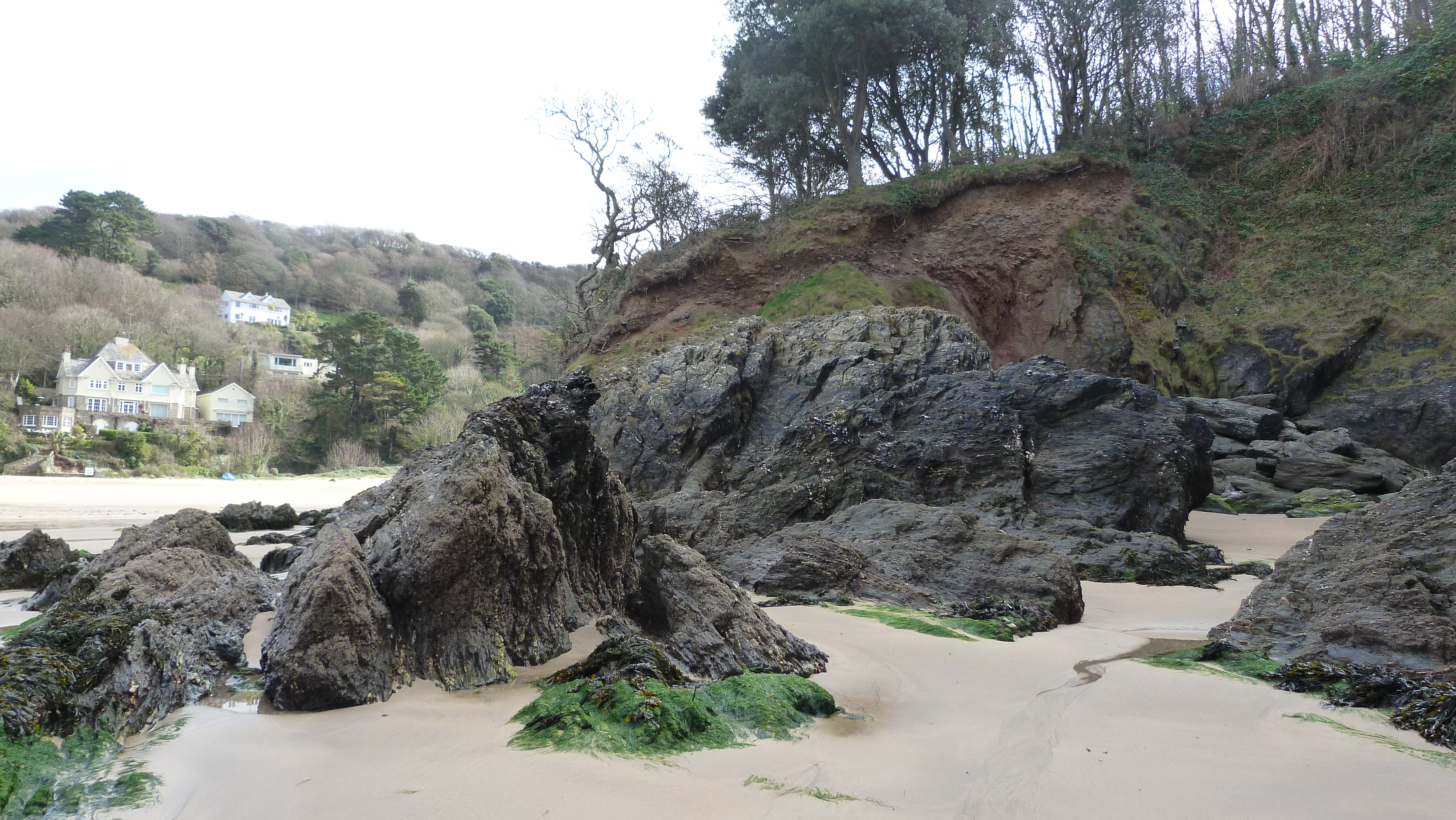
The path spilled us back at Mill Bay. The rain held off. I curled up with a rock for a back rest, Tim paddled about in barefeet at the water’s edge and Jan searched for perfect shells. The perfect end to a dramatic day.

 Stepping off the Treadmill