A new doorstep in an ancient landscape

We had never met Mal Peet and his wife Elspeth Graham before we landed on their doorstep in Exmouth. Mal and Elspeth are writers. Mal and Tim share the same publisher, and have many mutual friends in the world of young adult literature. We were invited to spend a night if we ever found ourselves out their way.  So we conveniently found ourselves in Exmouth.

Exmouth is on the coast of East Devon and has stunning long sandy beaches. It is a part of the coast where there are wonderful seaside towns devoted to easy beach living. But it is also the entrance to the “Jurassic Coast”, an area of English coastline that stretches from Exmouth in the west to Swanage in the east. The “Jurassic Coast” is recognized by UNESCO as a World Heritage Site because it represents a geological walk through time. In ninety-five miles of coastline, you cover 185 million years of geological development, spanning the Triassic, Jurassic and Cretaceous periods. Too much for one day. It is an area that I definitely want to come back to.

Mal and Elspeth live mere blocks from the beach in Exmouth, in a wonderful Victorian house with their too adorable dog Pedro. As Mal cooked, we launched ourselves into riotous discussions about children’s literature, rogue construction, rock and roll, aging and everything we’ve ever encountered in our lives that brought us to this point. Literature, art, music, theatre, politics – we travelled late into the night solving the problems of the world.

The next morning, a little the worse for wear, Mal and Elspeth drove us through the lovely seaside town of Budleigh Salterton (and who could resist that name!) to the extensive salt marsh commons of the Otter Estuary Nature Reserve. We walked along an ancient public walkway bordered by huge chestnuts, oaks and tamaracks to get to the town of Otterton.
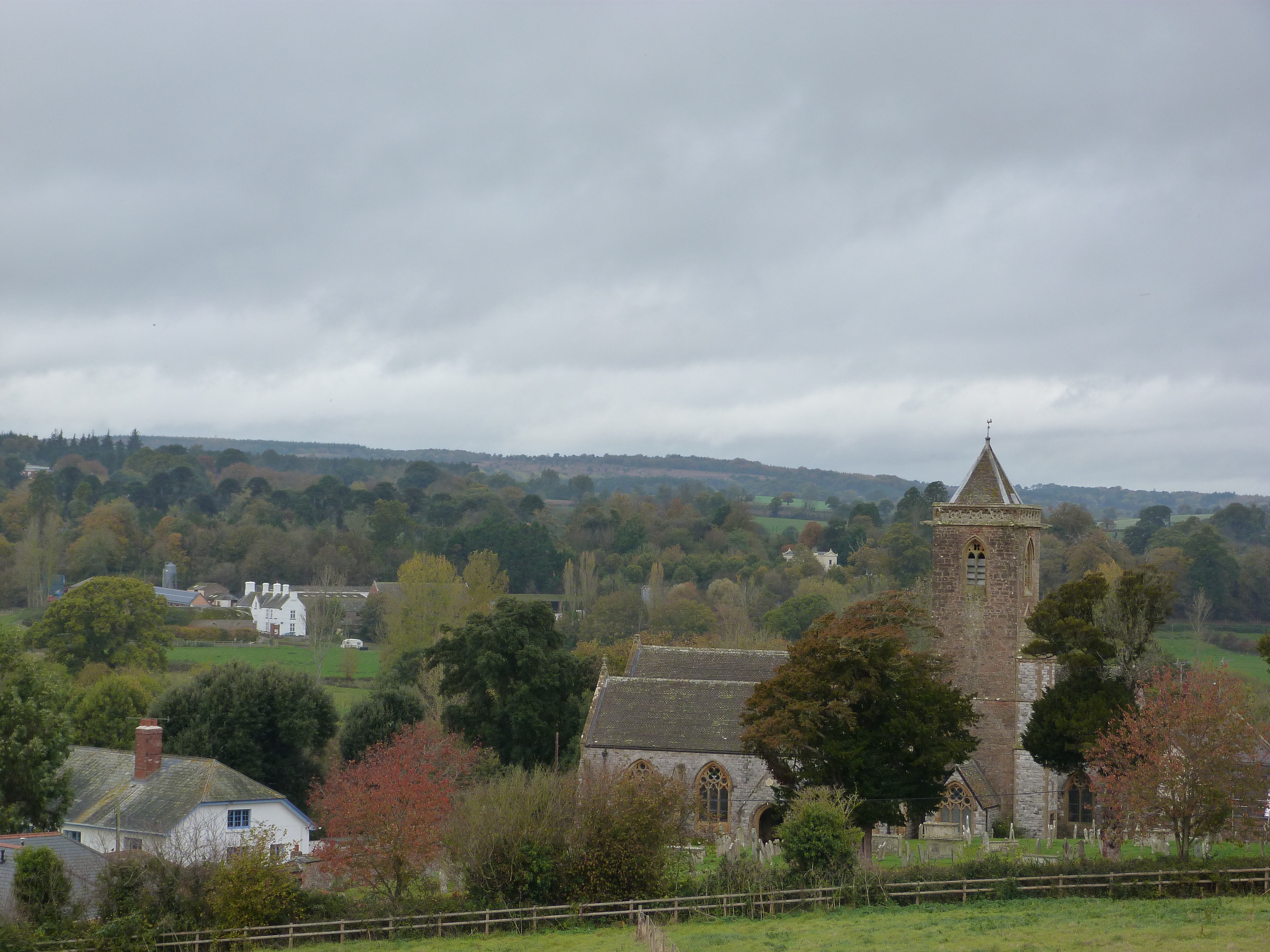
A view into Otterton

Otterton is an old Saxon village on the River Otter that used to be the largest settlement in South East Devon. Formerly a port, the river became dammed up with rock and silt several hundred years ago, and the land became agricultural. It is an archetypally beautiful rural town, with thatched cottages, cob and brick buildings and a restored mill. The Otterton Mill, which is open to the public, has been in use for 1000 years. The mill grinds locally produced organic wheat for the breads that they sell in the restaurant bakery.

Elspeth, Mal, Tim and Pedro outside the Otterton Mill

We had coffee in the outdoor café, visited the great local crafts shop (with some of the most exciting and dramatic pottery that I have seen in a long time) and walked back along the River Otter.
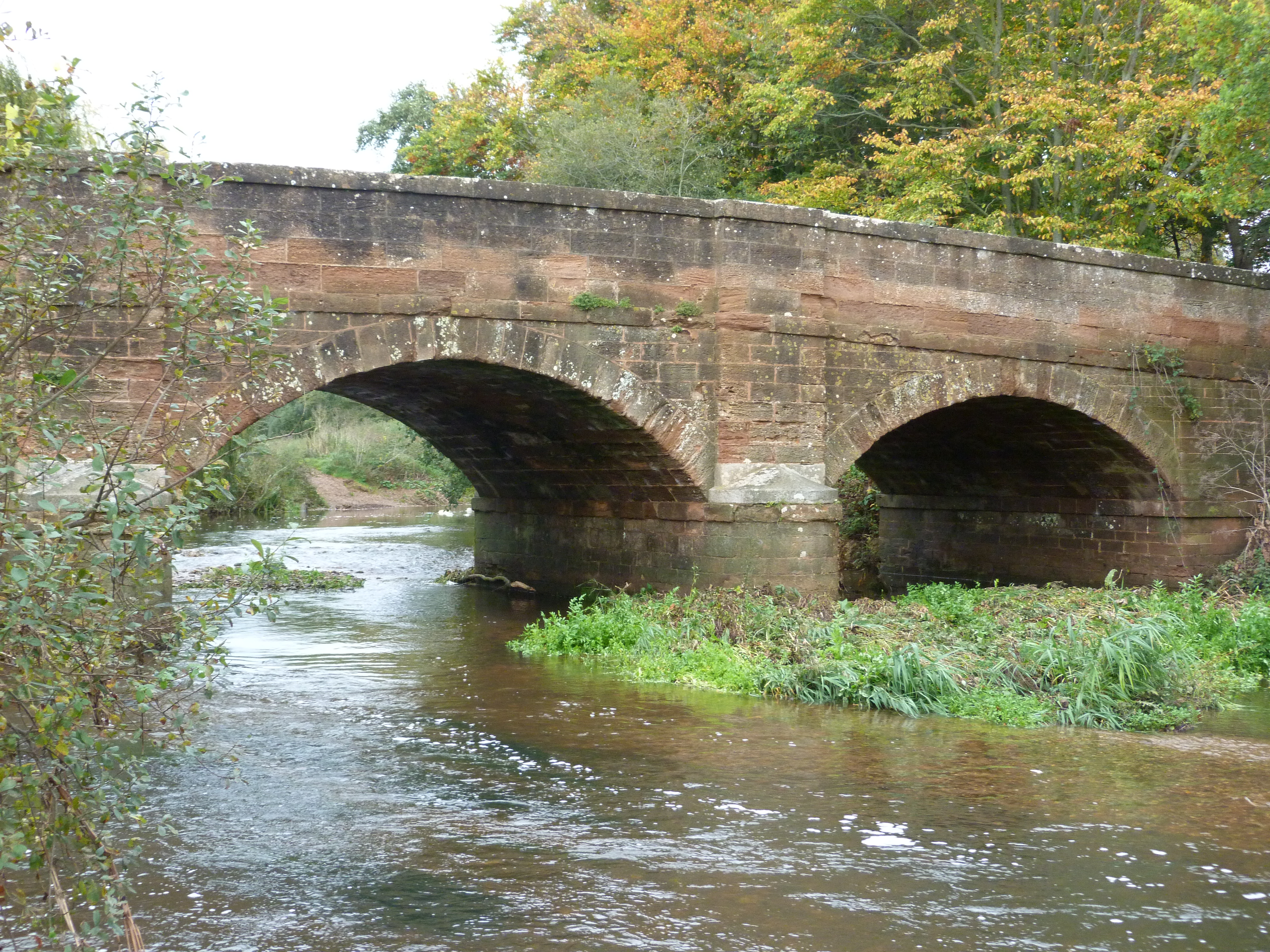
The River Otter

We had known Mal & Elspeth for only a few short hours, but it felt as though we were lifelong friends as we meandered our way back to Exmouth.
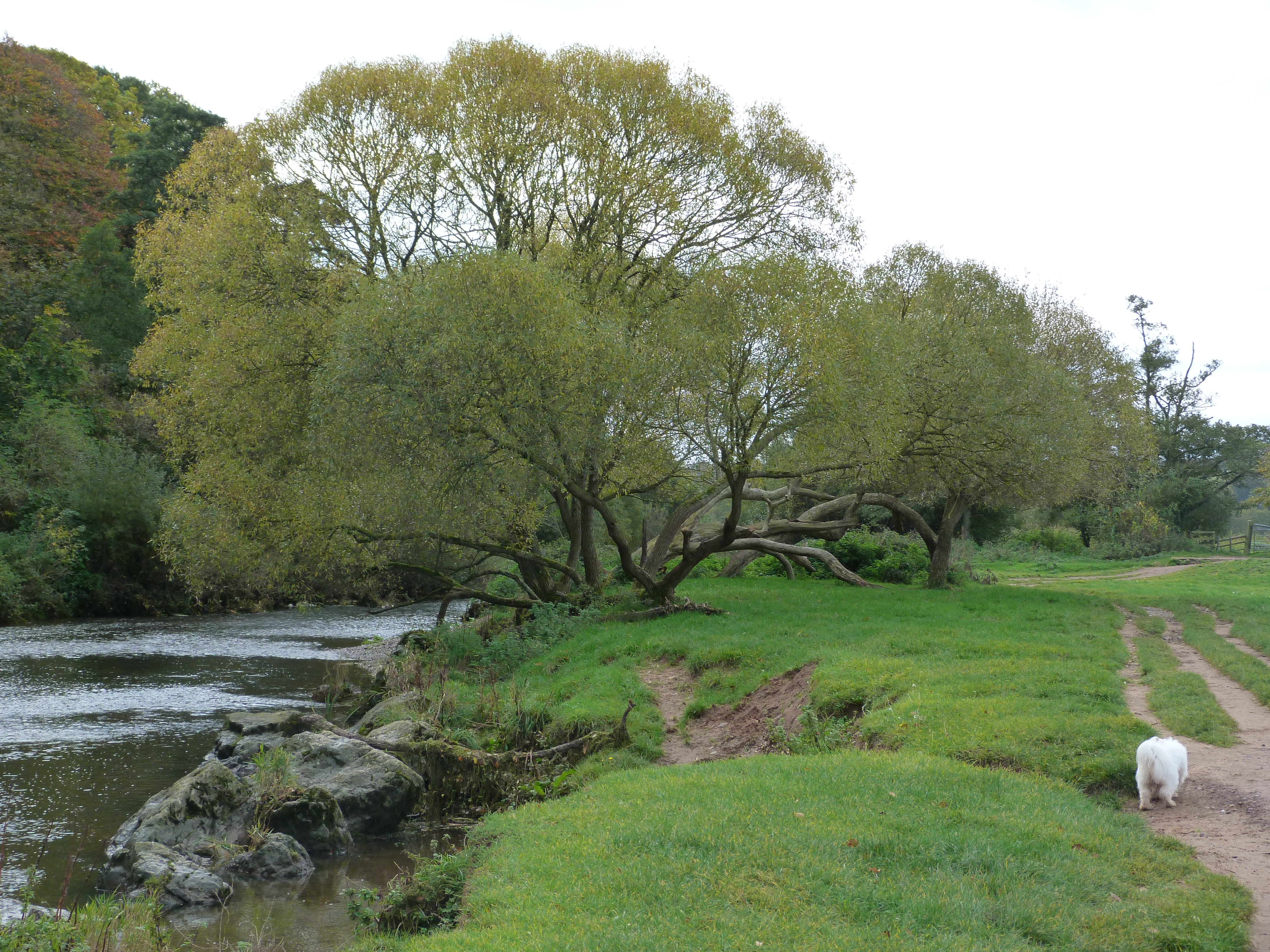
The Otter Estuary Nature Reserve, and Pedro

From Exmouth, Mal & Elspeth took us to Exeter where we were to meet up with cousins Penny & Eric. A trading town since 250 BC, Exeter, like Plymouth, suffered greatly during bombing raids in the Second World War. Recently however, the downtown has been revitalized and is now a great blend of contemporary and historical architecture. The downtown shopping district manages to incorporate the remains of the Roman wall, the 15th century St. Catherine’s Almshouse and chapel, and rows of well-preserved houses from every architectural period.

The central feature in Exeter is of course the cathedral.
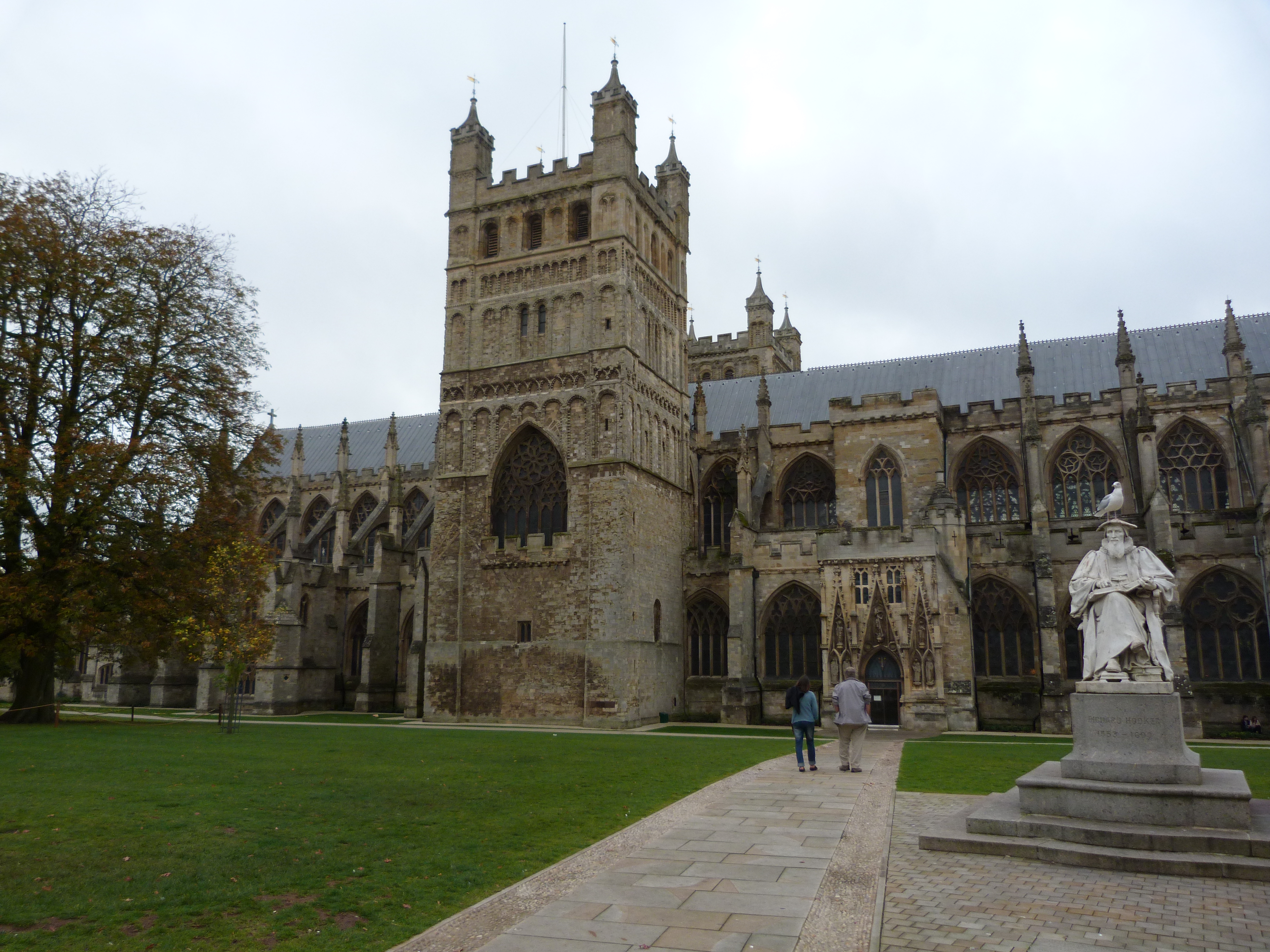
The Exeter Cathedral

Built in 1170, the cathedral has been added to and restored over the course of the last 900 years and is an imposing and inspiring sight. Inside, we were treated to the sounds of the choir and organ, reverberating on the stone arches.
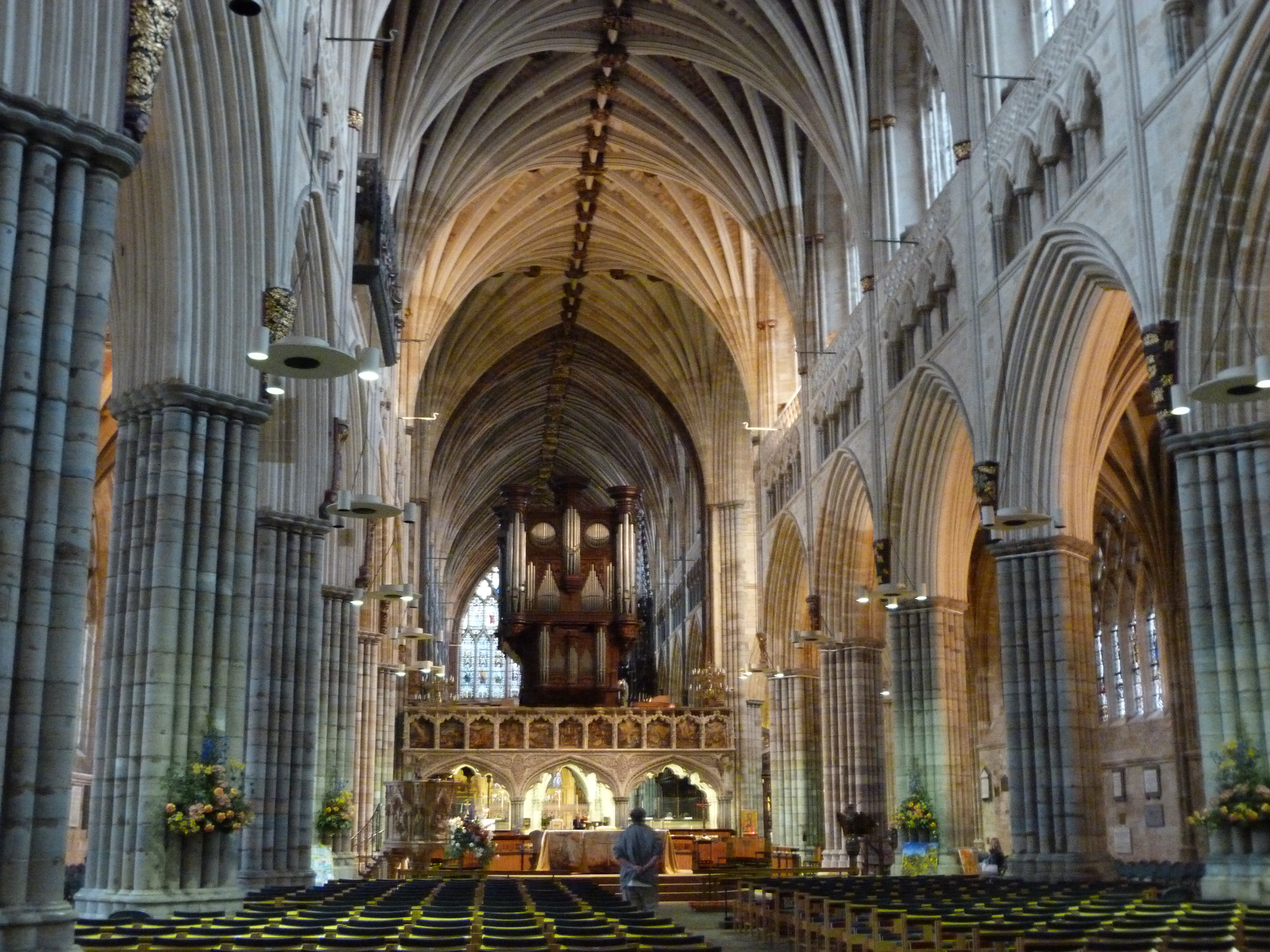
Inside the Exeter Cathedral

A perfect way to send us off, bidding farewell to Devon, Cornwall and new friends, and heading back up through the country, to London.
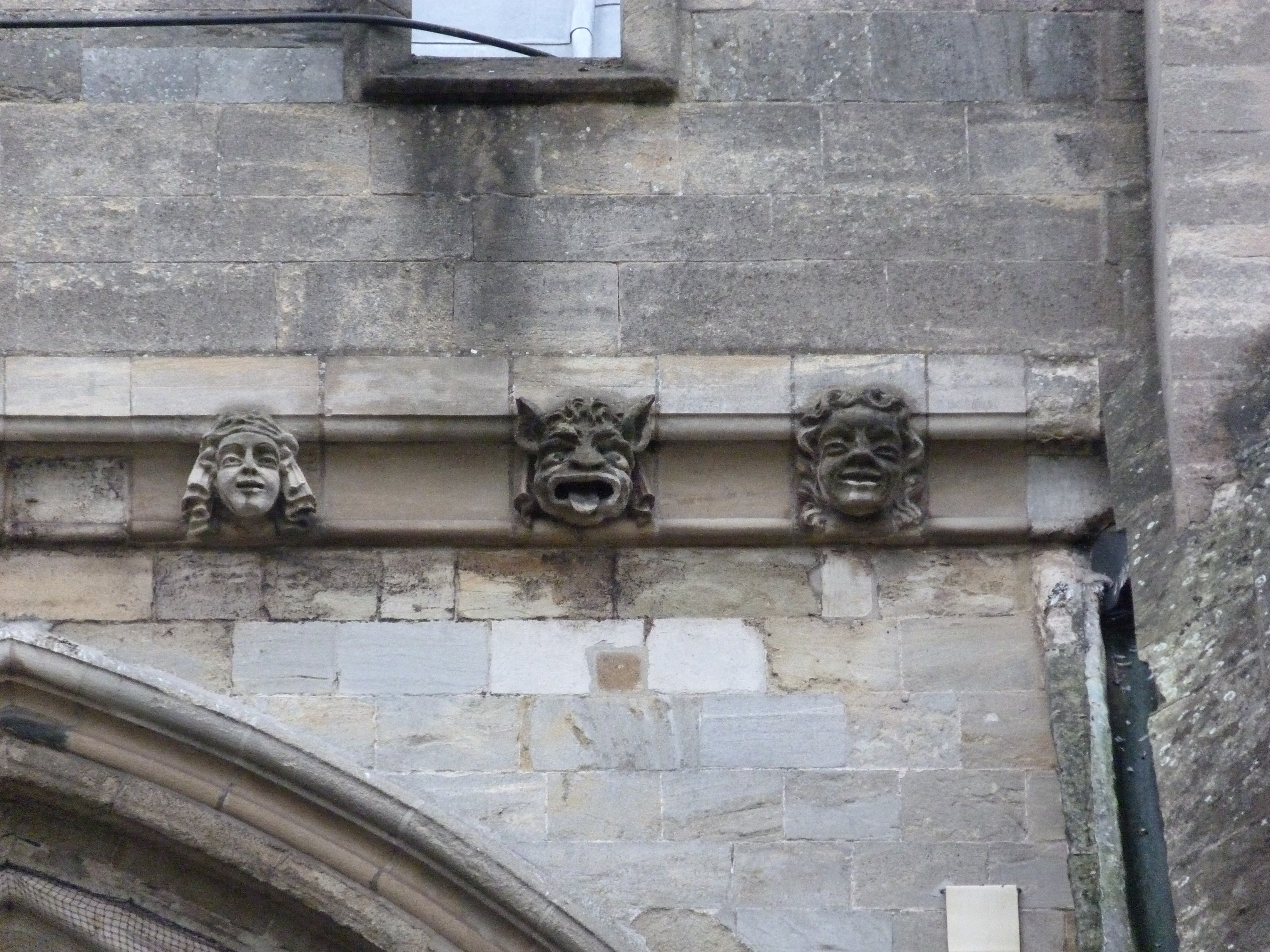
Cathedral Gargoyles

Discovering a corner of Devon

There is a reason why everyone raves about Devonshire Cream. When you eat it, you feel like you have a direct connection to lush green grass and sunshine. Even though it was the end of October, the fields of Devon were welcoming and the cream was plentiful.

Visiting Tim’s cousin Pip and her husband Steven gave us a chance to explore a bit of the Devon countryside. There is a huge organic farm, Riverford, right near their house, with open fields that we could see from the back windows. Riverford runs a kitchen, restaurant, stores and box deliveries of organic produce.

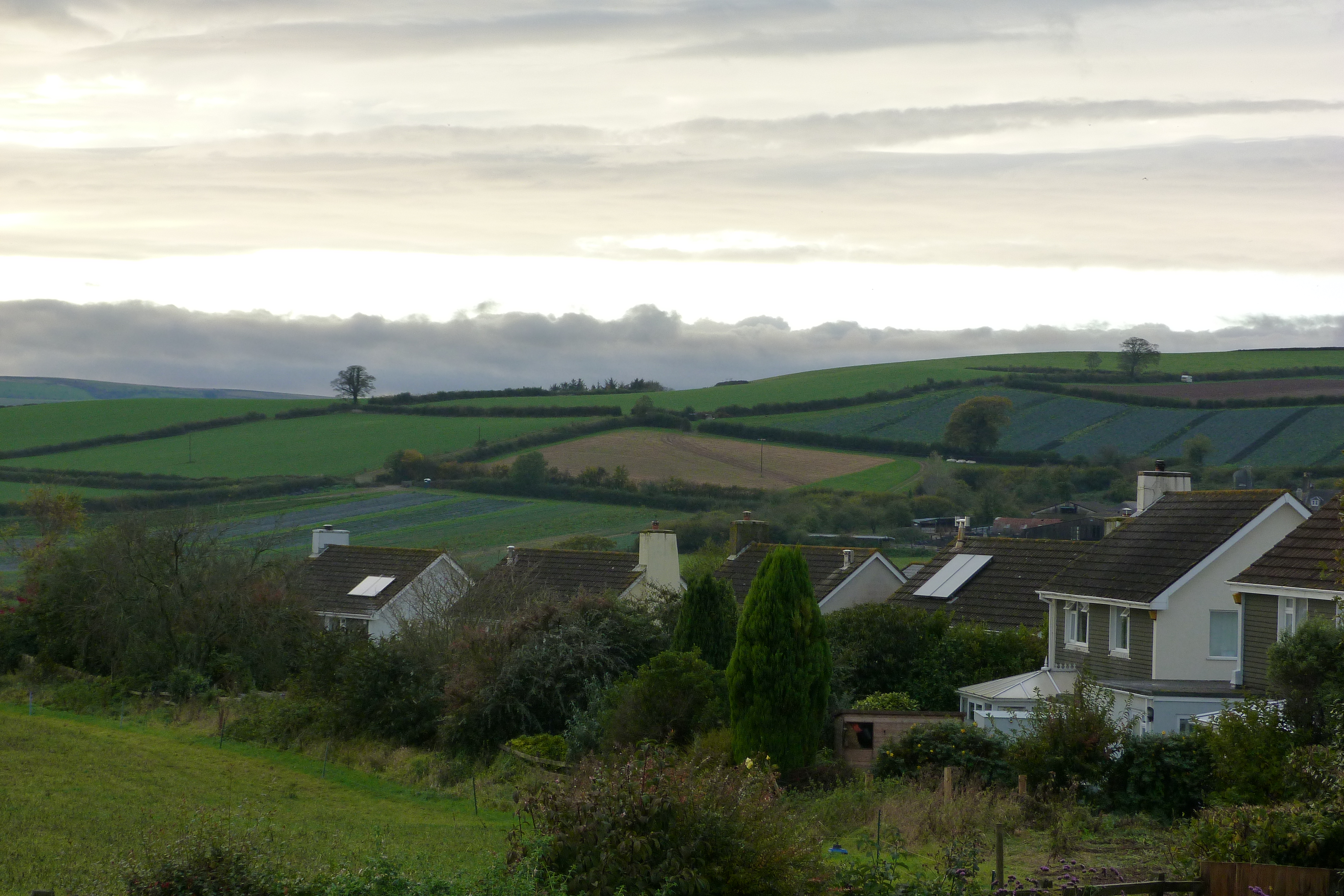
The fields of Riverford farms in Devon

After our Looe cottage with no views, it was wonderful to see land in every direction. And after our focus on the fruits of the sea, it was good to come back to such wonderful fresh produce.

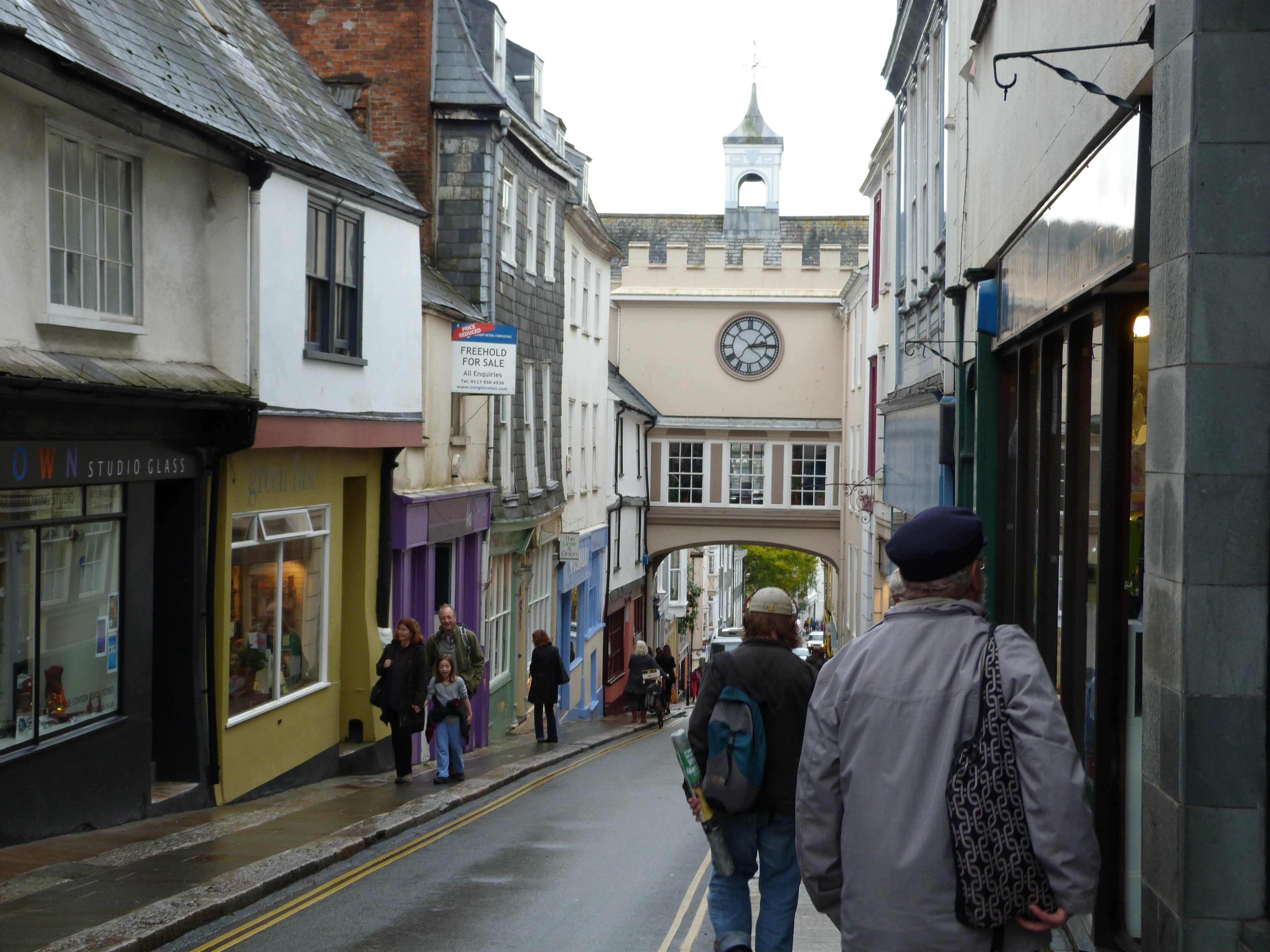
Pip and Steven live quite close to Totnes. “Did you inhale?” is the common question you get asked after you tell people you’ve been to Totnes. A town of only 7,600, it has a reputation as being a centre for the arts, healing therapies and alternative lifestyle choices. It’s an old market village, filled with “new age” stores, high end fashion, health food and book stores all set in the twisty streets under the shadow of a Norman castle.

Totnes High Street

Our mission, however, was only to find all of the ingredients to make Tim’s wonderful Thai fish stew. Tim’s Thai Fish Stew is our “default” meal – it is quick to make, comforting and delicious. In Totnes, the hardest ingredient to find on main street was the Nam Pla (fish sauce), but once we located a bottle of that, the rest was easy. The meal warmed up a chilly fall evening.

The next morning dawned bright and sunny and we were ready to head out for a walk and adventure. We started in the town of Ashburton, a lovely village of about 3,500. Formerly a “Stannery” town (the administration of tin mining), it has great produce stores, interesting crafts and a very welcoming atmosphere. Ashburton is on the edge of Dartmoor National Park, and we had hoped that there would be a good walk to near-by Buckfastleigh. But the only paths were along the highway, so Pip drove us instead to Dartmoor for a brief walk.

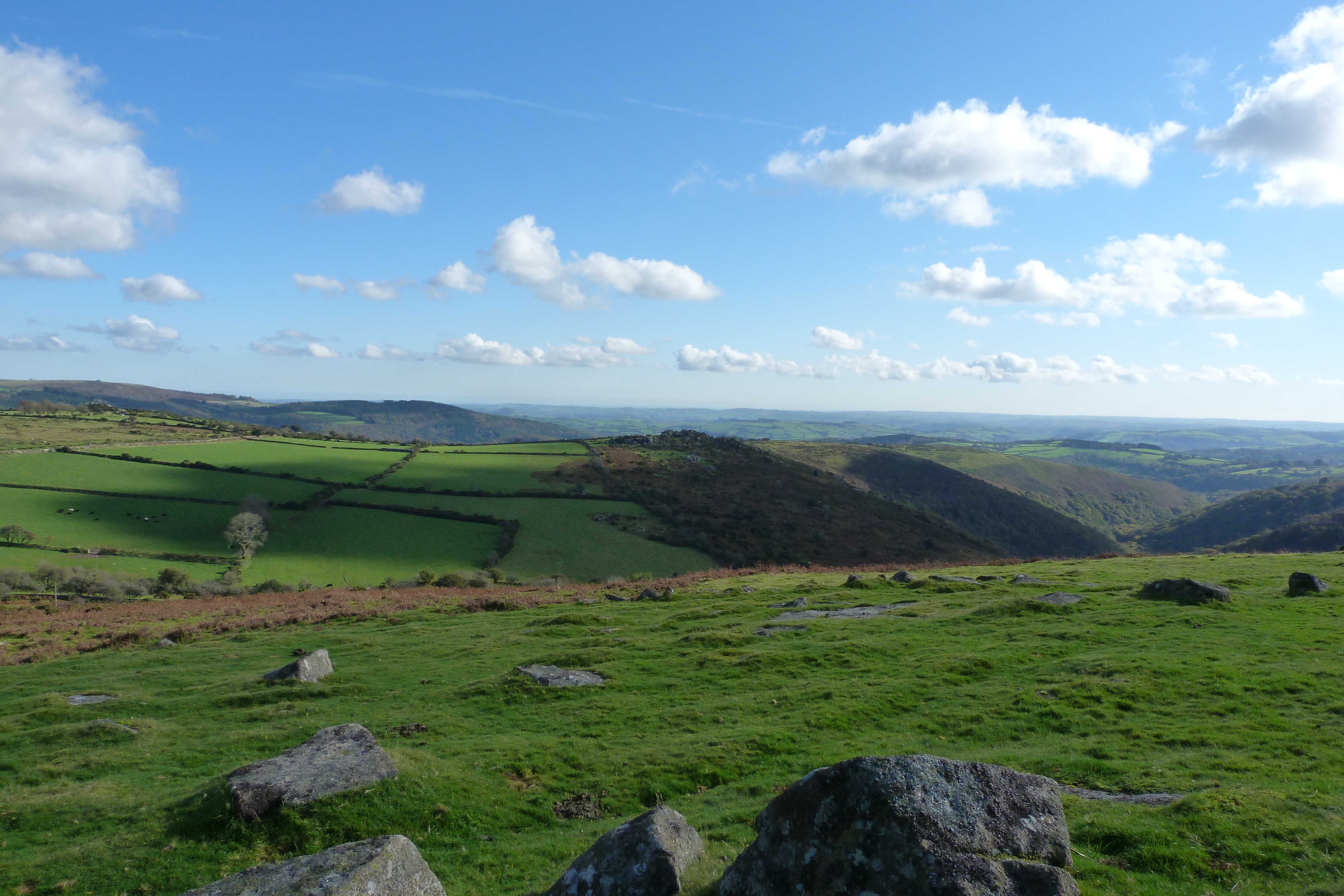
Dartmoor, with shadows from the clouds skittering across the land

This moor-ish adventure was quite different from our experience in Bodmin. The sunshine helped a lot, but there is defnitely a bit more colour in the surroundings. There was almost a lushness to the landscape. That is, if something can be lush and desolate at the same time.

Dartmoor is enormous. Vast. Once you are in the park, there is moor in every direction. But really, there is not a lot of variety in a moor. A little bit goes a long way.

Tim & Pip on a Tor

So after a great walk with Pip and Alfie the dog, we were fine to move on.

Pip dropped us in Buckfastleigh, a tiny town of about 3,600 that used to be a wool-producing centre. Now, however, the main attraction of Buckfastleigh (other than that the name uses half of the letters of the alphabet, and each only once) is the South Devon Steam Railway.

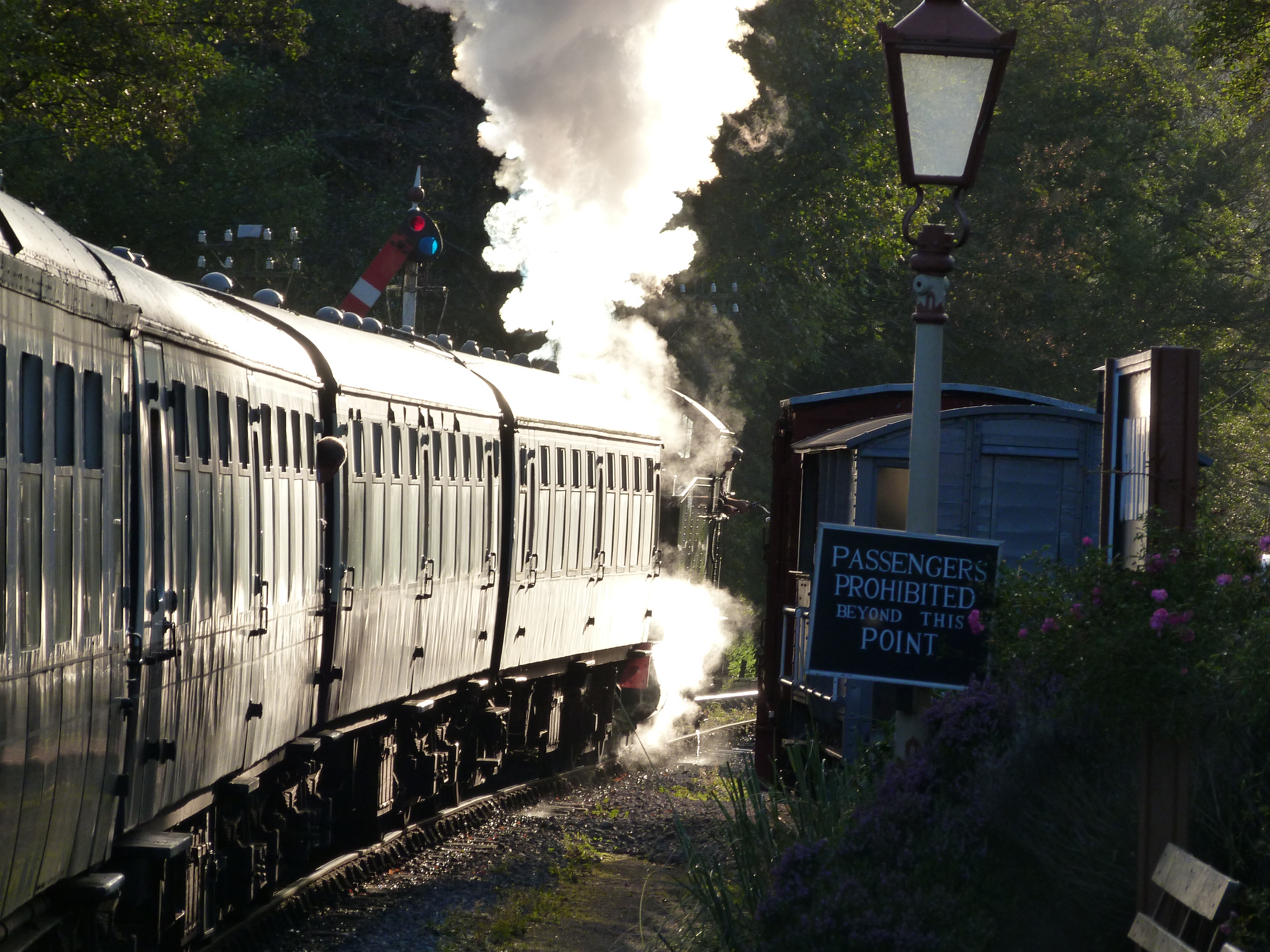
This lovely steam train runs from Buckfastleigh through Staverton to Totnes and having just seen the “Railway Children” in London, we wanted a chance to experience this adventure first hand.

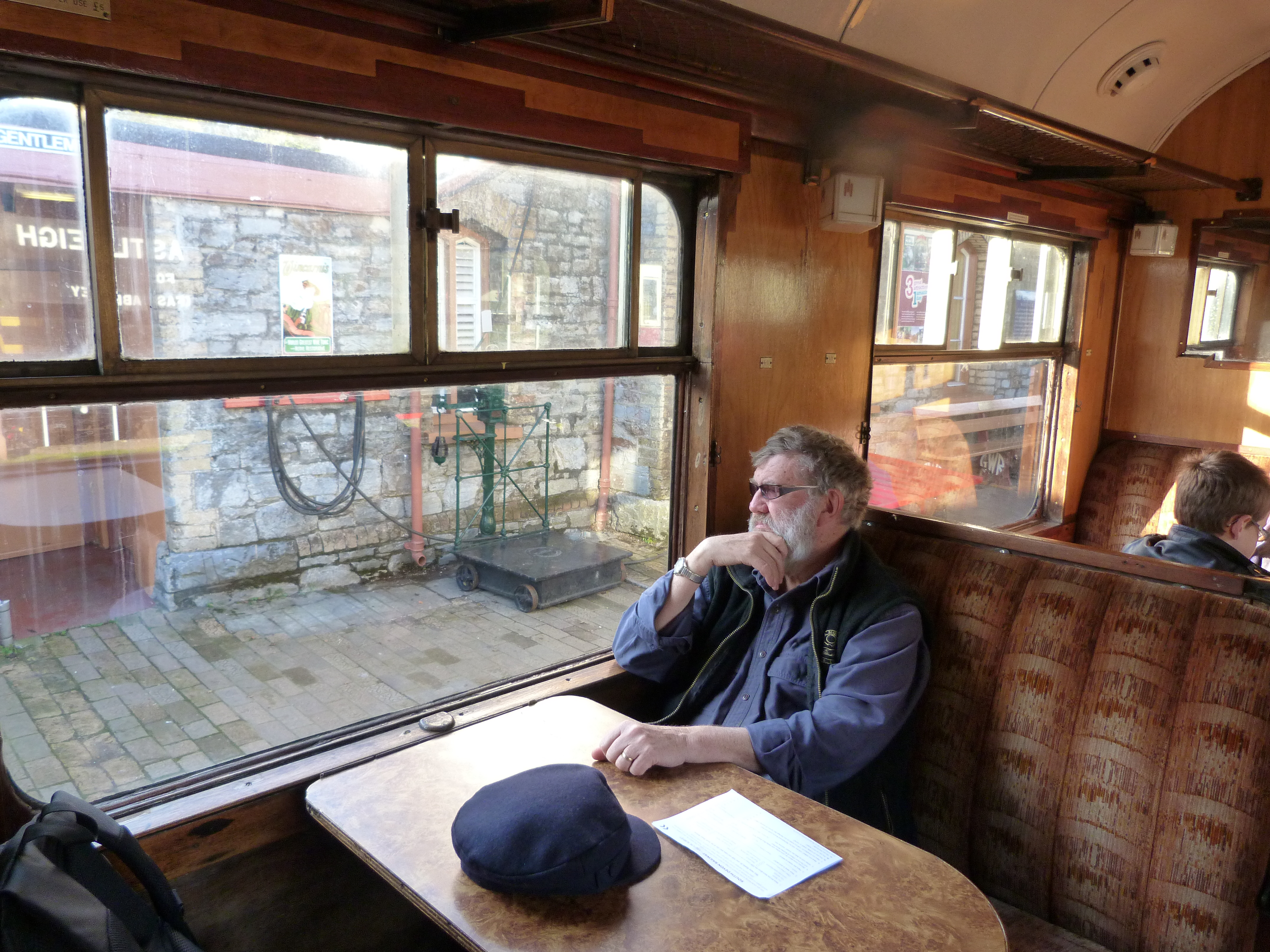
Tim, in the train, waiting to leave the Buckfastleigh Station

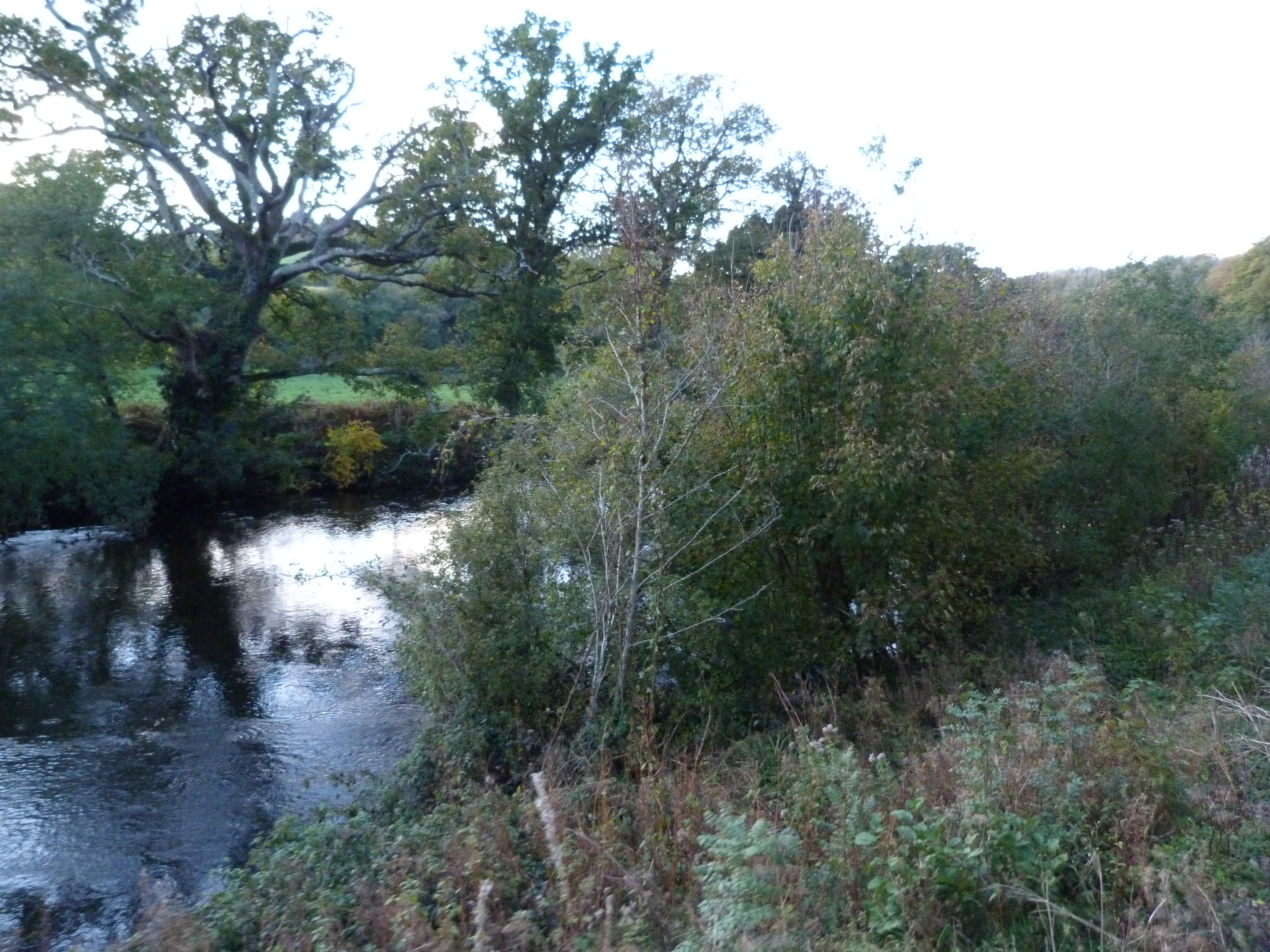
The train hugs close to the river Dart on a former Great Western Railway branch line through the Devon countryside.

Chugging beside the River Dart

Filled with train enthusiasts and excited children, we chugged along, steam pouring from the engine’s chimney and the train literally making a “Choo-choo” sound. I stuck my head out the window to watch the sunshine on the steam, the image from so many classic movies.

South Devon Steam Train

And yes, I got a bit of soot in my eye just as they say you will if you stick your head out of the window to watch the train. But it was worth it for the chance to step back in time.

The Escargot Festival

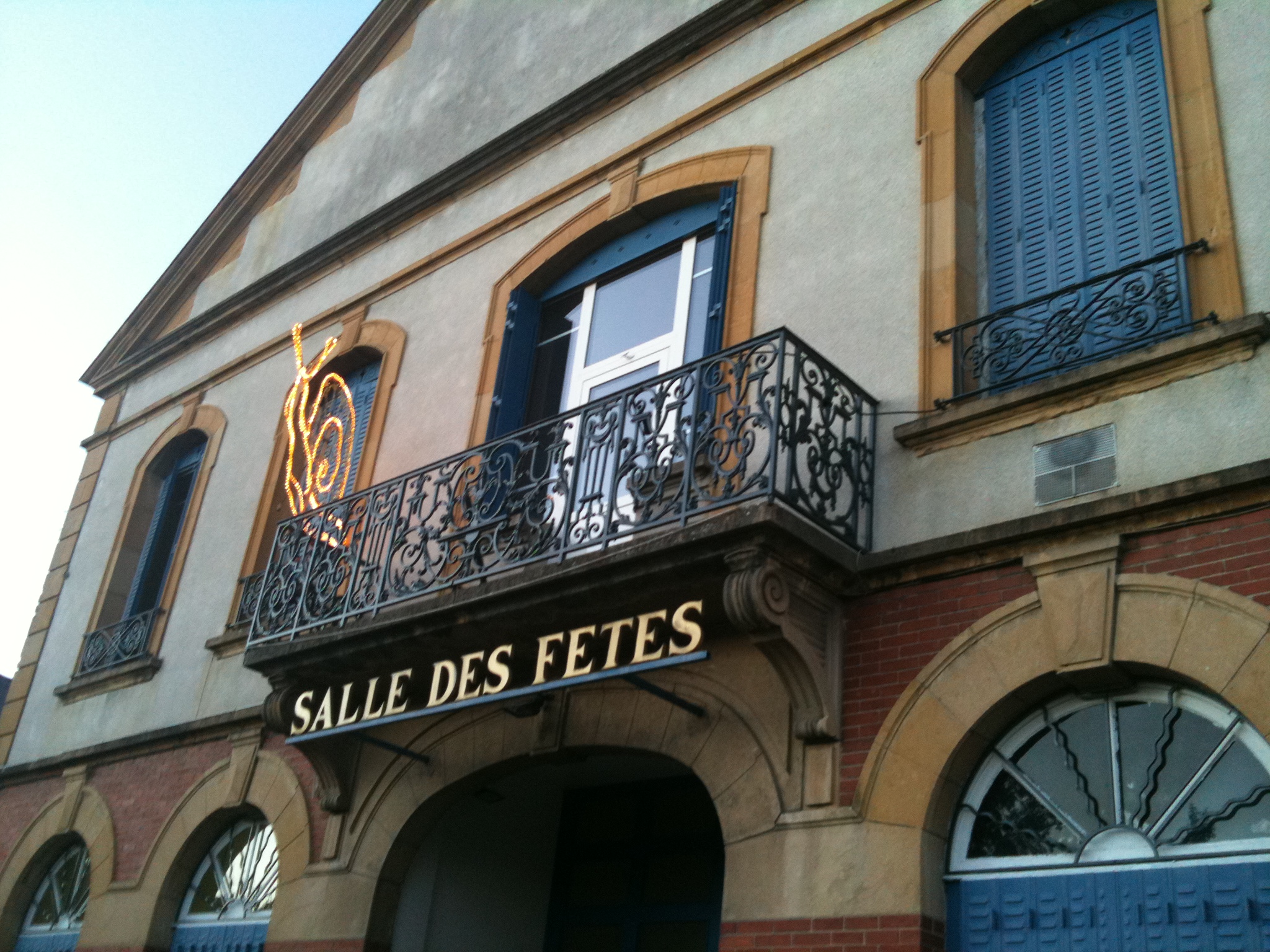
The Escargot Festival is an annual event in Digoin, bringing several thousand people to the area from the surrounding countryside. Amusement games are brought into the square for the children and small exhibits are mounted in the Salle des Fetes. The exhibits include an array of artwork by local children – snails in all of their infinite variety. The picture we liked best showed a snail beside a bottle of wine saying, “Ho-ho-ho, Ha-ha-ha”. The animation of the snails seems slightly out of place with the fact that we are all about to eat the cute little guys, but somehow that also seems part of the country charm of it all.

Salle des Fetes

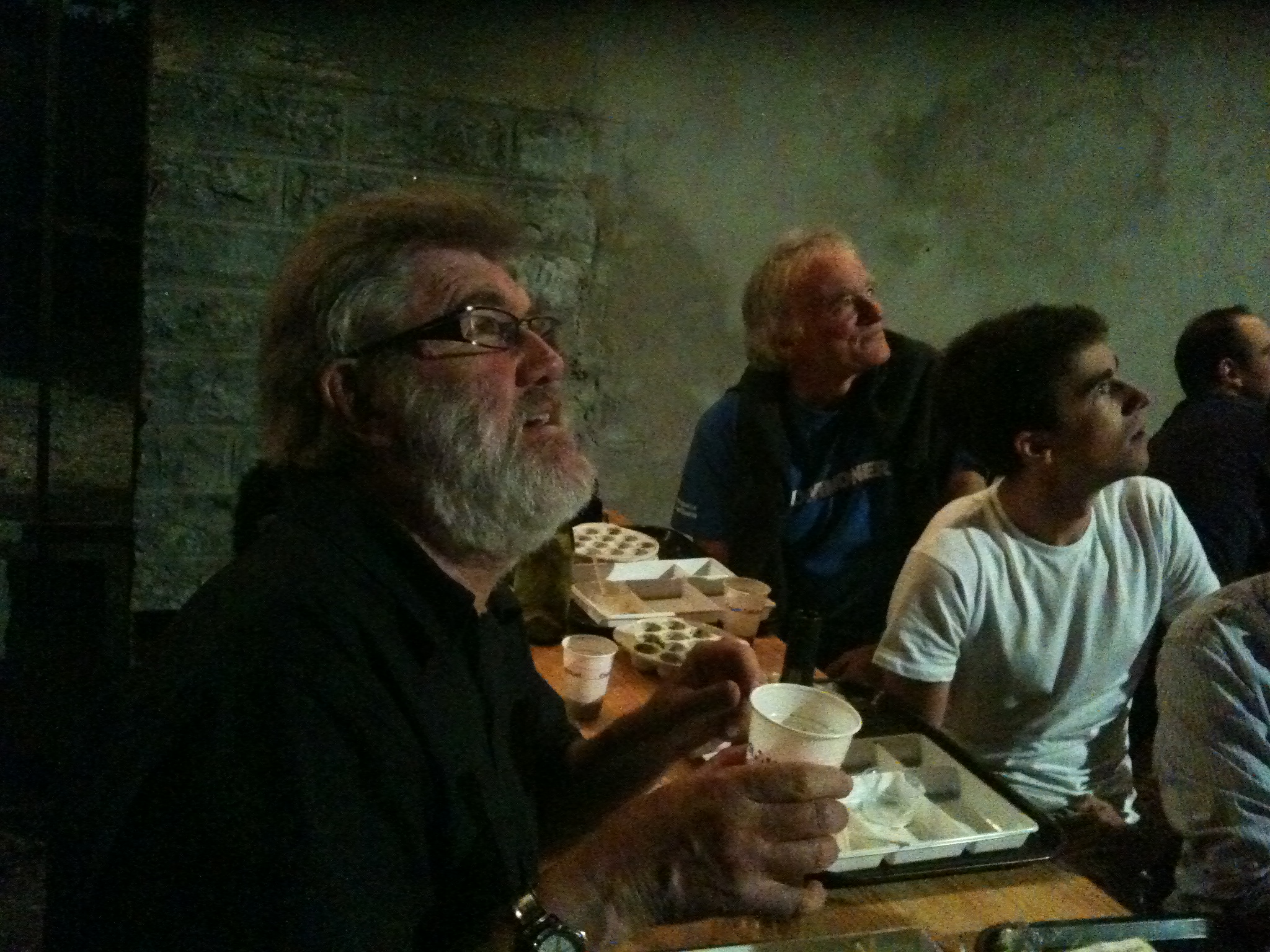
A long line stretches down the block to get into Sunday night’s meal. The smell of garlic reaches much further into the town. The festival offers meals at lunch and dinner on Saturday, Sunday and Monday and even though we arrive at 9:00 p.m., it takes almost an hour to go through the line to buy tickets. Thankfully, you can buy “Cocktail de l’Escargot” to sip while you wait. It’s a blend of Cremant and a burnt orange liquour that is slightly bittersweet and promises to inflame our taste buds (or something similar)

A 10 Euro ticket gets us each a meal that includes a few slices of salami, a slice of pate en croute, cole slaw, a piece of apple tart, cream (for the tart), a little pot of a soft cheese, bread, a gherkin hiding under the salami, and a hot tray of 12 escargots swimming in butter, parsley and garlic. We buy wine in bottles with specially designed labels, sporting one of the children’s snail drawings.

A confession. I have never eaten escargot. I think I have watched others eat them, but I don’t remember ever munching down on one. I had expected them served in shells that I would have to wrestle with, expected something slug-like that I would have to swallow with a smile on my face, all the while battling a rising gorge. However, the escargot are a delightful surprise, slightly chewy little nuggets that serve as vehicles for all of that garlic and butter. It is only at the sheer volume of animal fats that my stomach balks (salami, meat pate and all of that butter?! One craves a lettuce leaf or two!).

Even the vegetarians in the group are having a good time, although they fight over the treasured gherkins. The festive nature is infectious, especially when the fireworks begin. We are sitting in the best seats, on a bench right beside the canal where the fireworks are set off, and we are treated to a fabulous display of light and sound – our favourite being the swervy little lights that sound like screaming baby ghouls.

Watching the Fireworks
Fireworks

We end the evening with a bit of a dance to the accordion duet in the main tent, as we weave our way out to the street, walking back toward Bel Air under the stars, carrying the smell of garlic into the deep night air.