The Eden Project has already reached mythic proportions. Conceived by a group of visionaries in the early ’90s, it has become, in 10 short years, a beacon of hope and inspiration around the world.
We travelled to The Eden Project by bus. If you arrive by public transit you get £4 off of the admission price. The bus drove through the small villages of Cornwall, into the middle of countryside, into the middle of an idea.
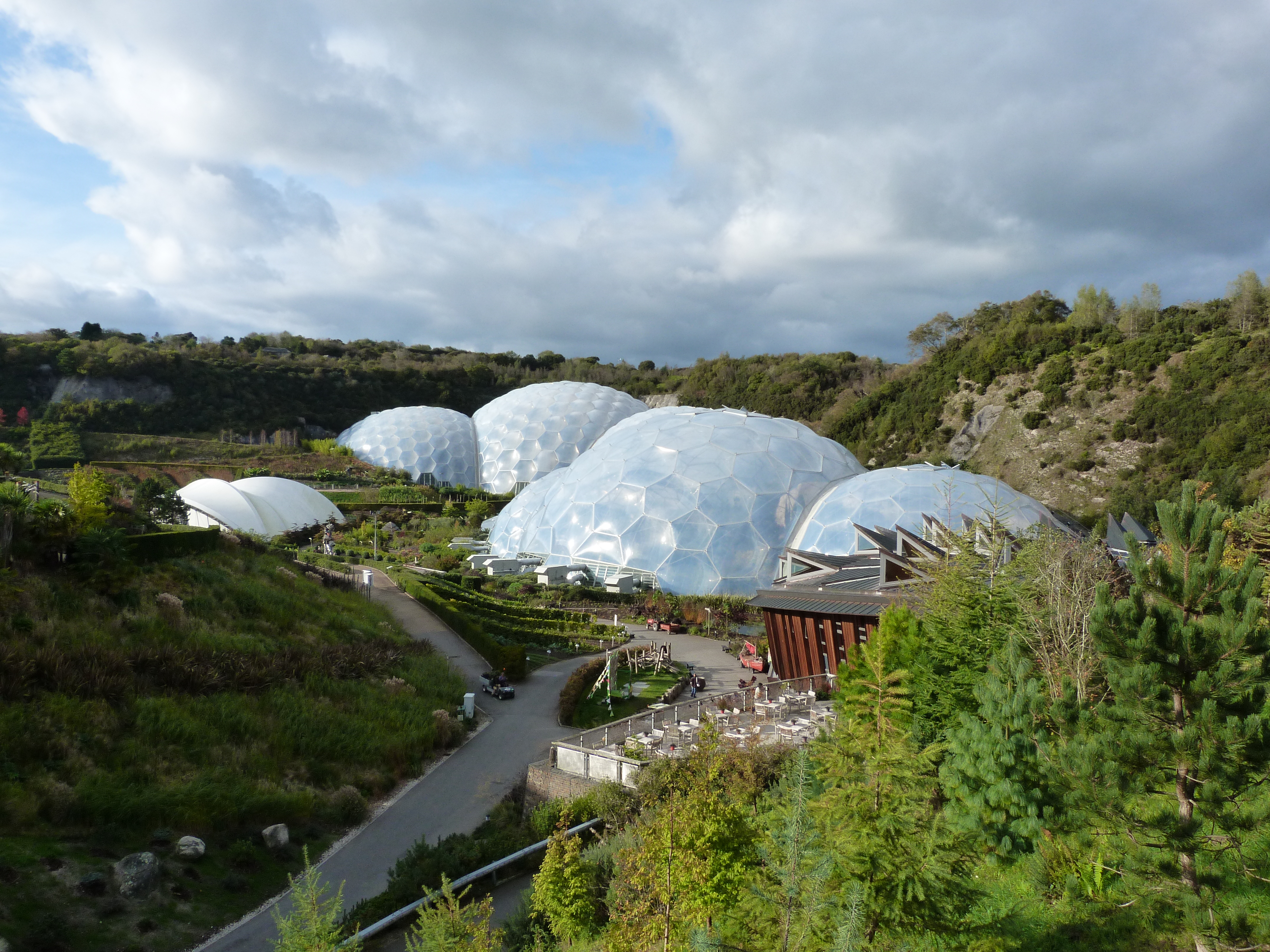
“There’s no rule book for a successful future, so imagination, creativity and enterprise are needed to try to find new solutions” (from the Eden Project Guide).
The idea – “to create a place like nothing anyone had ever seen before; a place that explored human dependence on plants and the natural world; a place that demonstrated what could be done if people who wanted to make a difference got together.” Tim Smit
With funding from the Millennium Commission, and a variety of public and private sources, the Eden Project bought an old, steep sided clay pit, 60 metres deep, with no soil. They filled it with soil made from waste materials (seriously, they worked with Reading University to make soil from mine wastes, composted matter and worms), populated it with a huge diversity of plants (“the plants that changed the world”) and built structures and infrastructures that have resulted in an astonishing educational centre.

We were greeted by one of the most wonderful horse sculptures I have ever seen, made entirely from driftwood and capturing the grace and elegance that is the essence of a horse.
Once inside the grounds we worked our way through the zig zag path of the “Outside Biome, the one with the sky for the ceiling”.
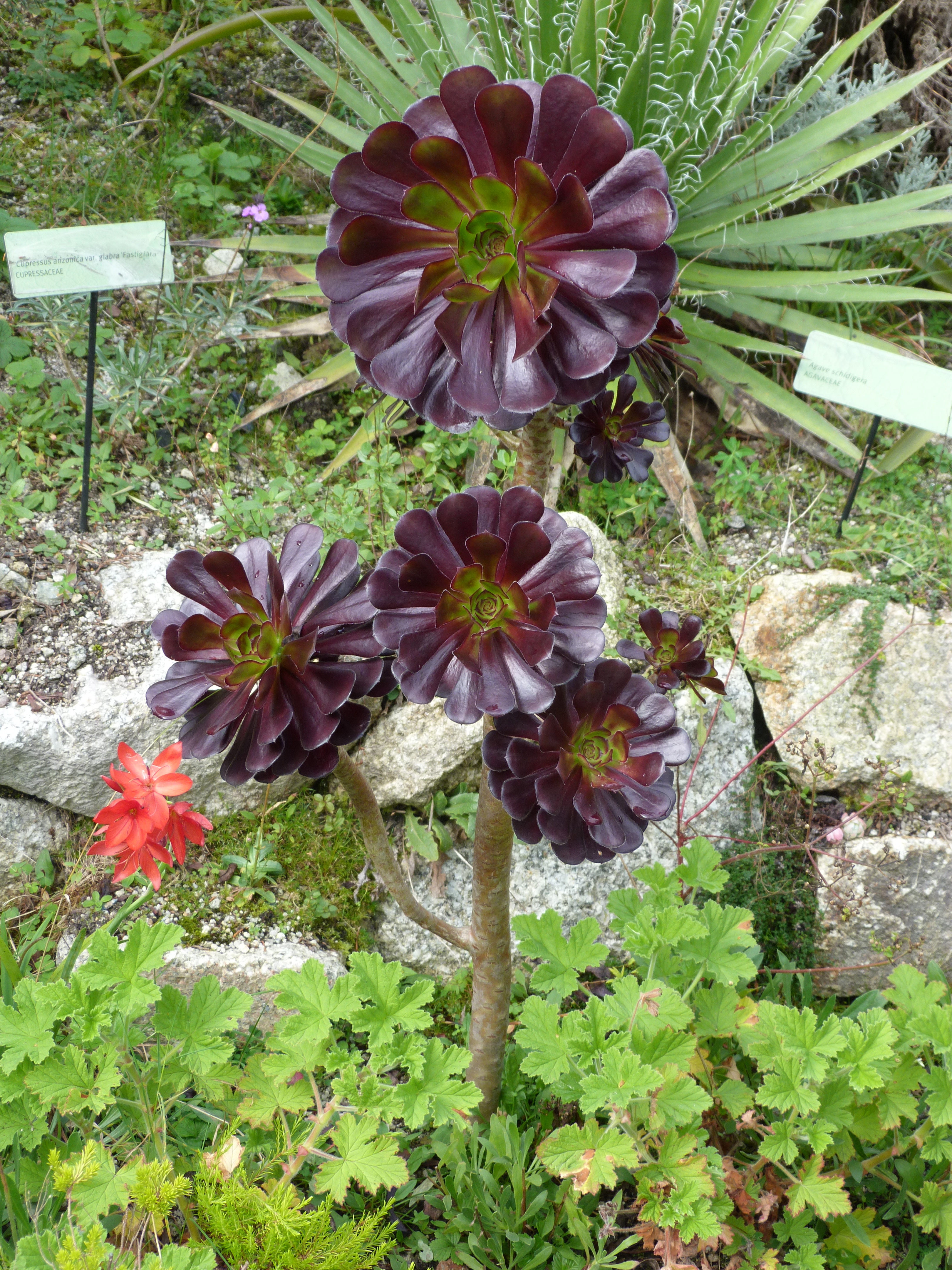
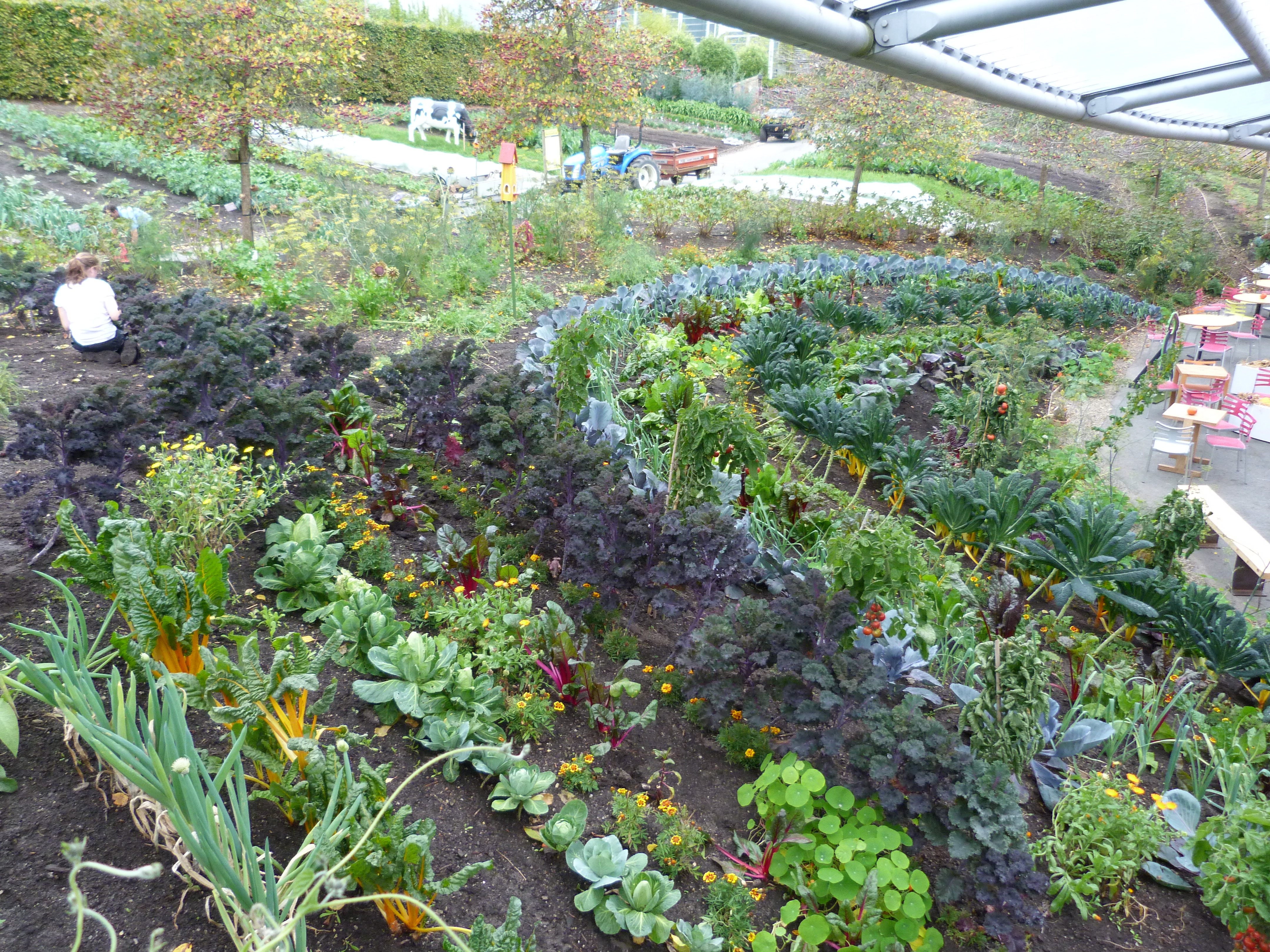
The plantings explore the crops used for food, fuel, medicine and materials. There is a whole section devoted to plants used in mythology. The project engages in “extreme gardening”, developing plants that will survive changing conditions, and, of particular importance for the Outside Biome, will develop strong roots to hold soil on slopes.
All of the displays combine stories with plants. Founder Tim Smits realized that “plants could be made far more interesting by weaving human stories around them, tales of adventure, emotion and derring-do” (from the Eden Project Guide). Everywhere we go there is information, stories and artwork.
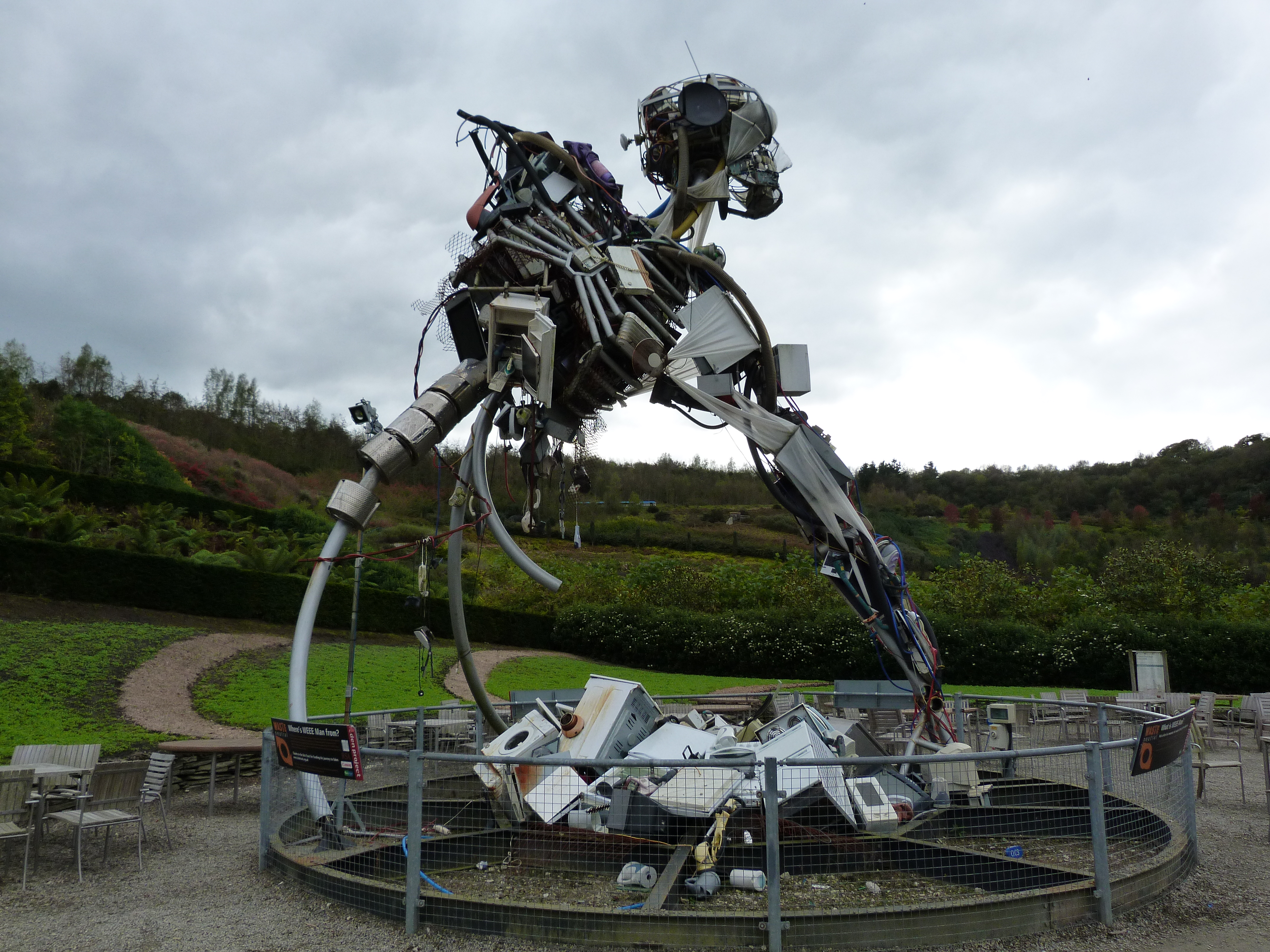
The Weee Man is a giant sculpture created by Paul Bonomini made from all of the Waste Electrical and Electronic Equipment that one person throws away in a lifetime. He weighs 3.3 tonnes.
There is an outside stage for performances. Bands from around the world play in huge outdoor concerts at Eden. In the winter it is converted into a magical ice rink.
The “Inside Biomes”, constructed in huge geodesic domes, are the Rainforest Biome and the Mediterranean Biome, each with its own climate, propagating and cultivating the plants from those regions.
Inside the Rainforest Biome it is heavy and hot. With an average temperature of 25° C and humidity of 90%, the signs warn us to make sure we have water with us and not to climb too high if we have a heart condition. The Biome is divided into regions: Tropical Islands, Malaysia, West Africa, and Tropical South Africa. There is information and displays on crops and cultivation as we pass by banana, rubber and coffee trees, spices and waterfalls. We’re introduced to “Architecture Sans Frontières”, a program that designs and builds shelters for people in disaster zones. It is overwhelmingly rich, dense and authentic.
We took a lunch break in “The Link” which joins the domes. The cafeteria-style café has a range of wonderful food made on site – earlier in the day we could watch people making the pizzas and bakery items at long wooden tables. Wooden slabs functioned as our plates/trays and we loaded them up with Greek salad and broccoli, leek and cheese torte. Signs told us to remember what we have taken to eat and to pay for it once we had finished. A trusting and gentle environment.
The Mediterranean Biome is divided into the Mediterranean, South Africa and California. The air is cool and dry. We’re advised that the Biome doesn’t shield us from ultraviolet rays and that on sunny days we’ll need our sunscreen lotion. But it is autumn now, and I realized that the Biome is seasonal – we have not stepped into an artificial recreation of a hot Mediterranean day. Rather, it is autumn inside, as well as outside. This is not a recreation — it is a functioning environment.
A fish stew is cooking on the “outside” stoves. We see olive, lemon and orange trees, grape vines, a huge range of pepper plants. We smell sage and sweet scented plants used for perfumes.
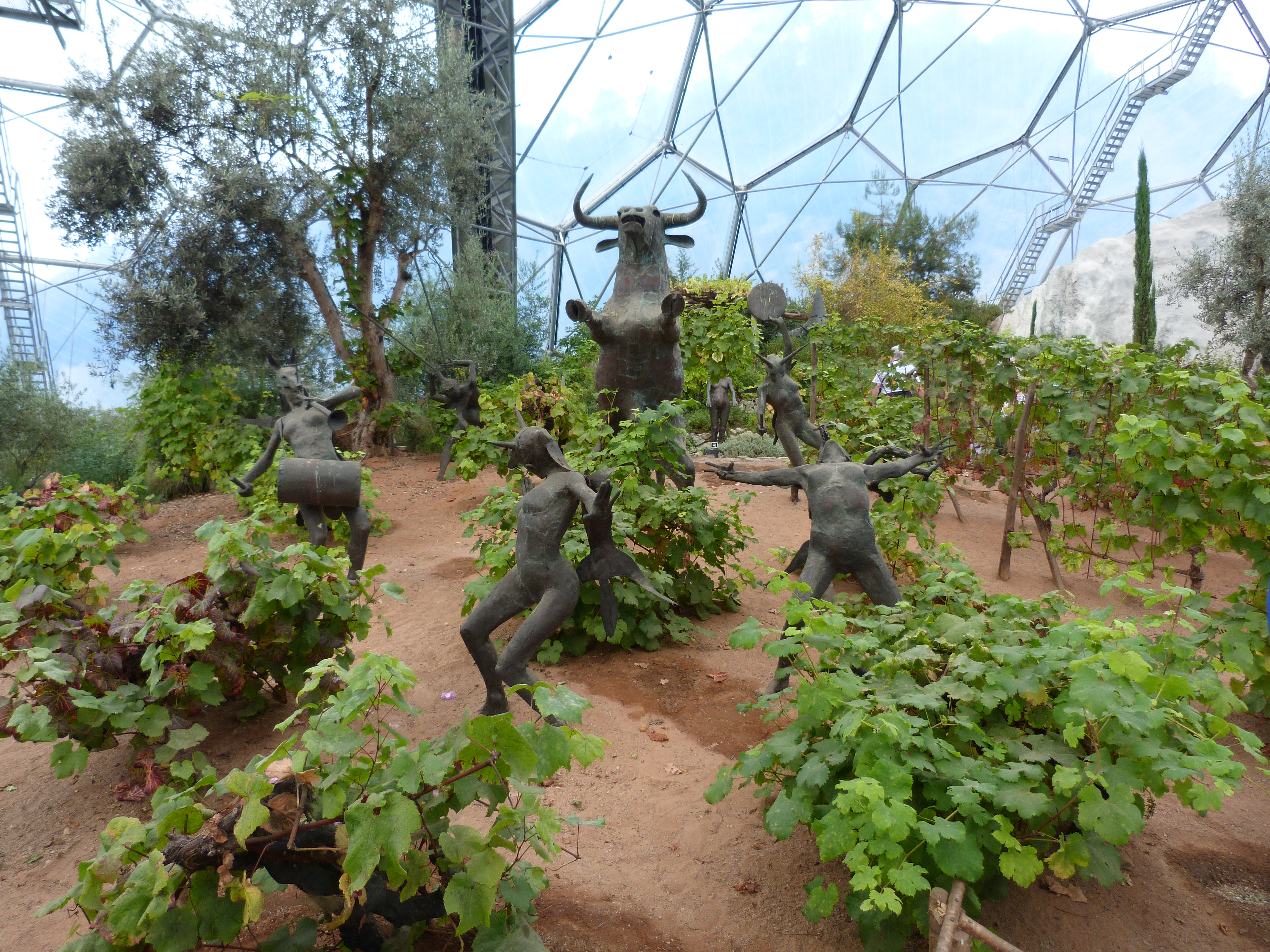
There’s a great sculpture dedicated to a Bacchanalian feast. We don’t quite feel like joining in, but there are locally produced wines, should we feel like imbibing.
The “Core” is the education, arts and events hub, from which the project operates school programs. “It isn’t just a building. It’s a metaphor”. The building design is based on a sunflower and at its centre is a 75-ton Cornish granite sculpture of a seed that “plants a symbol of hope, to grow ideas for the 21st century”.
We finish our day at the visitor centre that sells Eden grown plants and a wide range of responsibly made items and foods.
Tim and I were overwhelmed by all of this. The design, the inspiration, the scale. Every detail has been clearly thought through. There are on-going projects and calls to action, but everything is done in a gentle and respectful manner, because there is an understanding that change can only happen through collaboration. www.edenproject.com

 Stepping off the Treadmill
“change can only happen through collaboration” – a beautiful concept…
Monica
a truly mind-blowing place!
Yearly I get people in to do some yard work in my backyard, mostly caring
for the lawn however. Really enjoy it during summer when you are able wander around your soft lawn without any socks on your
feet!
I hope you do not mind me commenting right here, I wished to register for your RSS feed (great blog
by the means) but couldn’t find the registration web link – Please assistance!
Hi Sheena,
Thanks so much for the encouragement and your enjoyment of the blog. At the moment the best way to follow is to press the FOLLOW button at the top of the page. I haven’t got the RSS feed set up yet, but you’ve inspired me to get to work on it. I’ll drop you a note when it is up and running.
Many thanks,
Amanda