Marché des Puces

Once a year, on the Monday of the Esgargot Festival, there is a Marché des Puces (Flea Market) on the streets of Digoin. The main streets are closed to traffic and give way to sellers from throughout the region and beyond. It is a blend of yard sale and antiques market, with treasures and junk all awaiting bargain hunters.

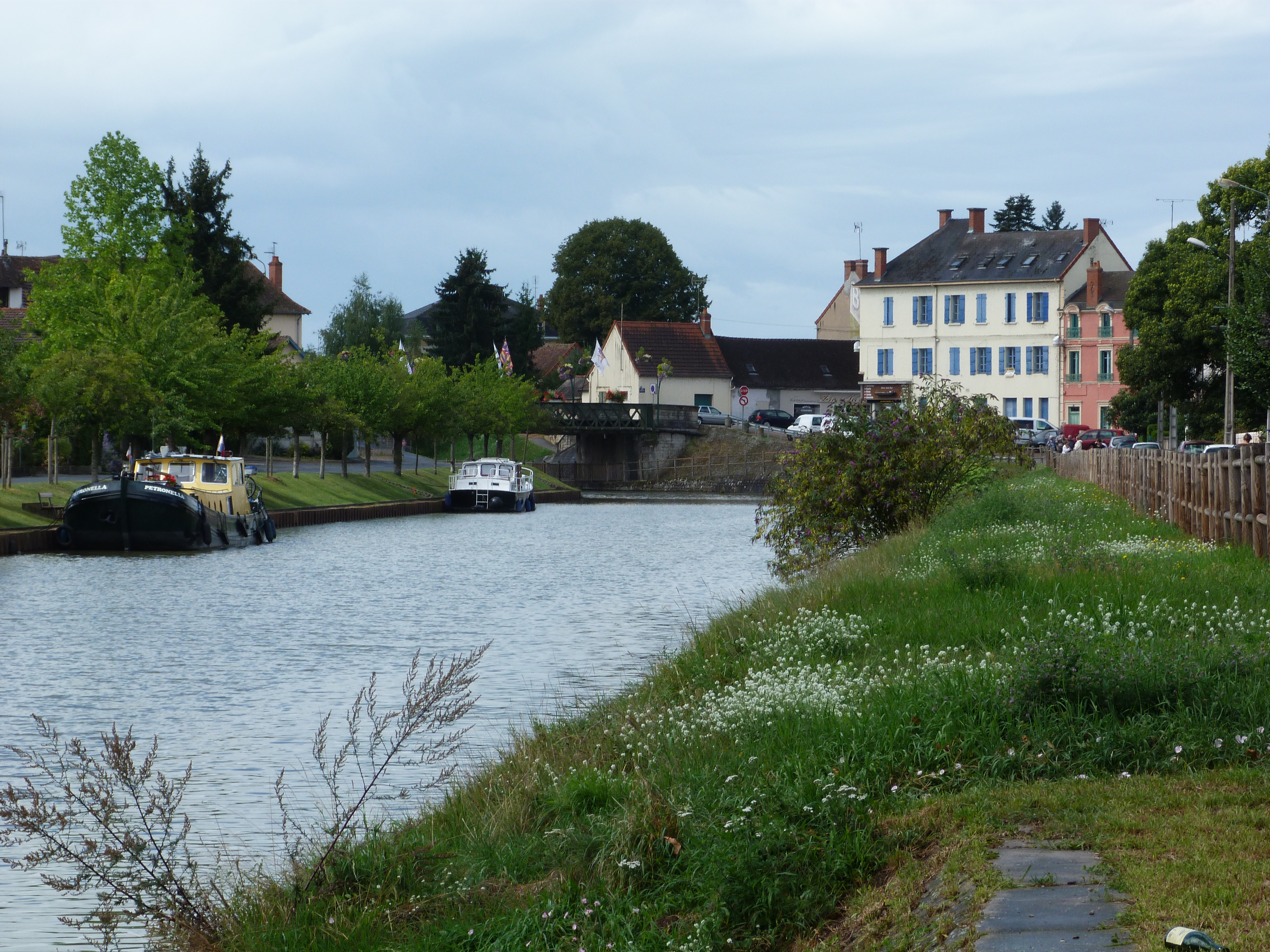
Stalls along the canal

Peta and Bryan are in search of very specific items for Digoin. Light fixtures, cupboards, furnishings that might work with the farm/cottage décor of Bel Air. I have only one mission – to find a nice serving platter. This will be one of our contributions to the furnishings at Bel Air. Tim has to spend the day working on his students from Vermont College, so I am charged with the task of hunting for an appropriate platter – something that a Greek salad might be served on in a day or so.

Annie, Richard, Johanna and Matt are not as interested in des Puces, and instead head to the grocery for ingredients for our dinner. Between Richard and Tim there is a slight food competition emerging and Richard is definitely upping the ante this evening with the promise of a lamb tagine.

The canal in Digoin

The stalls line the canal, as well as the streets of the town. There are boxes of old records, postcards, books and glasses. There are wonderful sideboards and corner tables topped in marble, and an odd cupboard of tiny drawers perfect for a workshop. I look at it longingly, thinking of how perfectly it would go in my studio, filled with pens, nibs and paints.

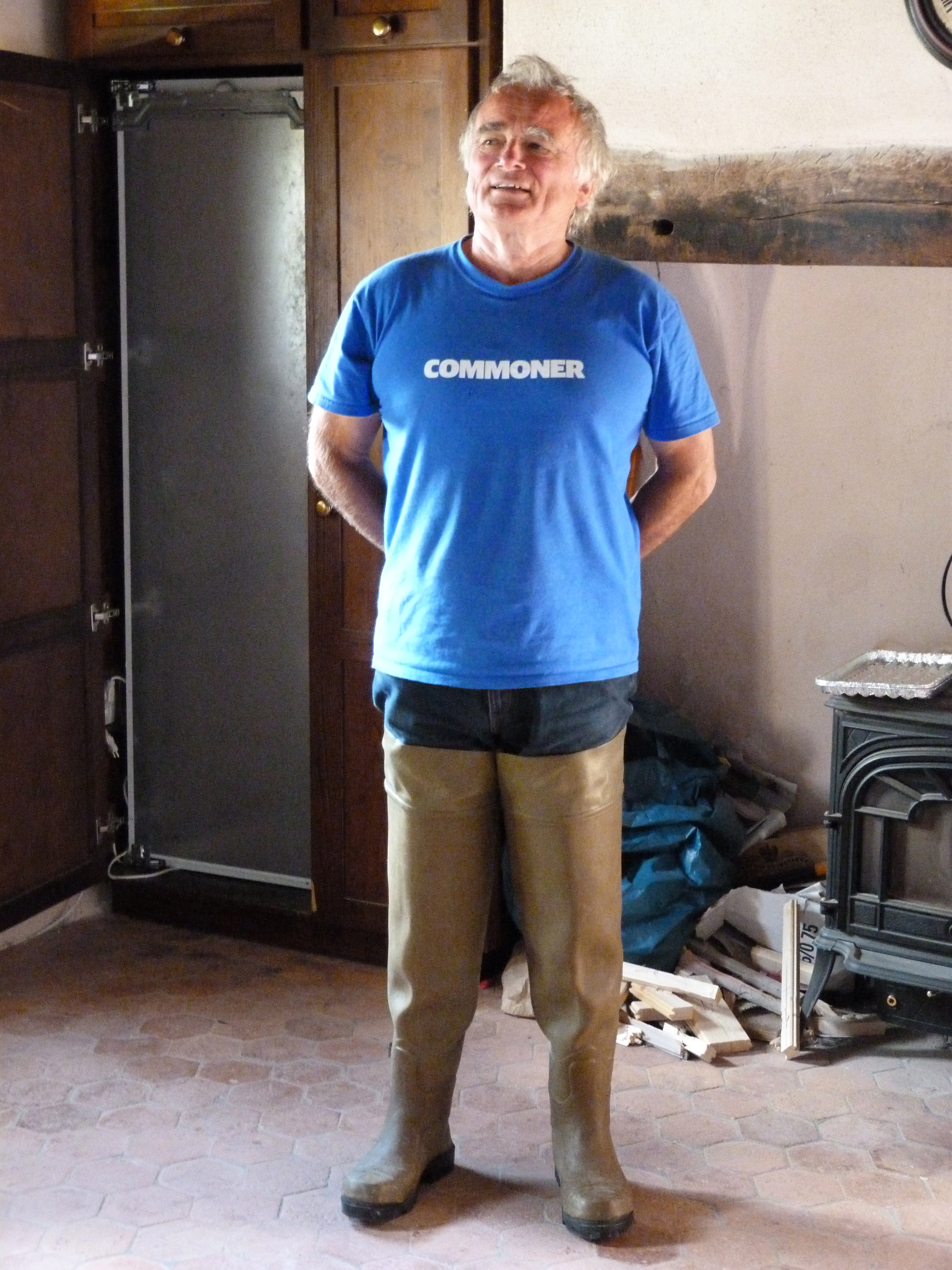
Bryan finds a pair of hip waders, almost in his size. “For cleaning up the pond”, he announces triumphantly. The vendor asks 2 euros for the pair, and not even Bryan can barter that price.

Bryan's waders

Platters, as it turns out, are not in abundant supply. There are fancy wall plates and a few sets of jugs and platters, but I have a hard time finding one that is both the right size and style. I finally find one, but at 12 euros (originally 15), it seems a bit dear. So we walk on, mulling it over, still looking. We see another of the right size, thinner and less substantial, plain white, but close. The owner of that stall is not around, and the friends who are stationed there cannot tell us the price, so we keep on walking.

Annie, Johanna, Richard and Matt come to meet us, stationing themselves with coffee at tables outside one of the cafes. I head back to buy the platter, now fully prepared to pay the 12 euros, sure that it has already sold. But I am in luck. The platter is mine, and for good measure, Peta and I go back to purchase the plain white one as well.

We drive back to Bel Air with a car full of platters, hip waders, light fixtures, even a bathroom sink, amidst the groceries for the tagine.

In the evening we are rewarded for our Marché des Puces labours with Richard’s Lamb and Apricot Tagine — one of the most succulent lamb tangines I have ever eaten.

The Escargot Festival

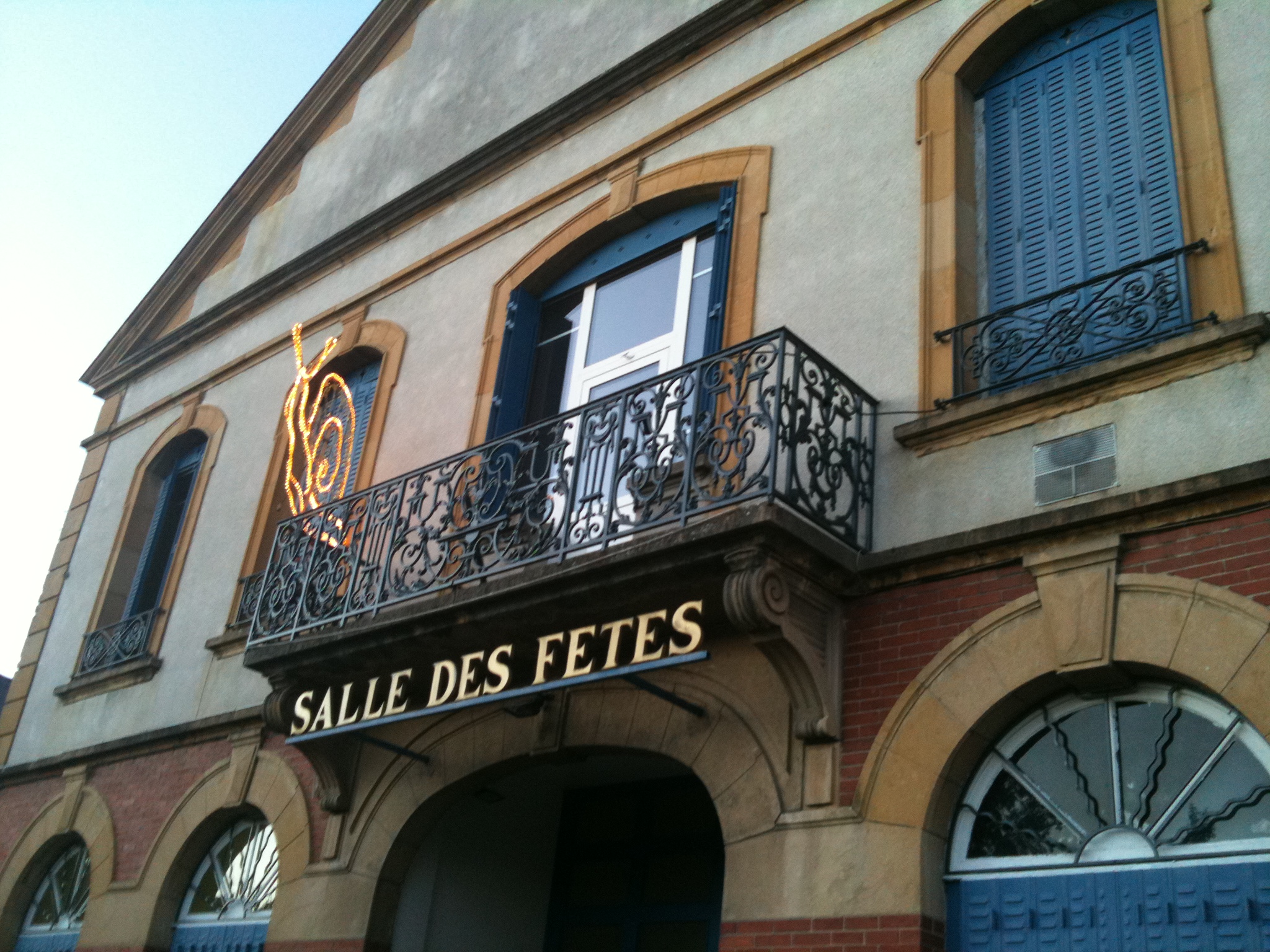
The Escargot Festival is an annual event in Digoin, bringing several thousand people to the area from the surrounding countryside. Amusement games are brought into the square for the children and small exhibits are mounted in the Salle des Fetes. The exhibits include an array of artwork by local children – snails in all of their infinite variety. The picture we liked best showed a snail beside a bottle of wine saying, “Ho-ho-ho, Ha-ha-ha”. The animation of the snails seems slightly out of place with the fact that we are all about to eat the cute little guys, but somehow that also seems part of the country charm of it all.

Salle des Fetes

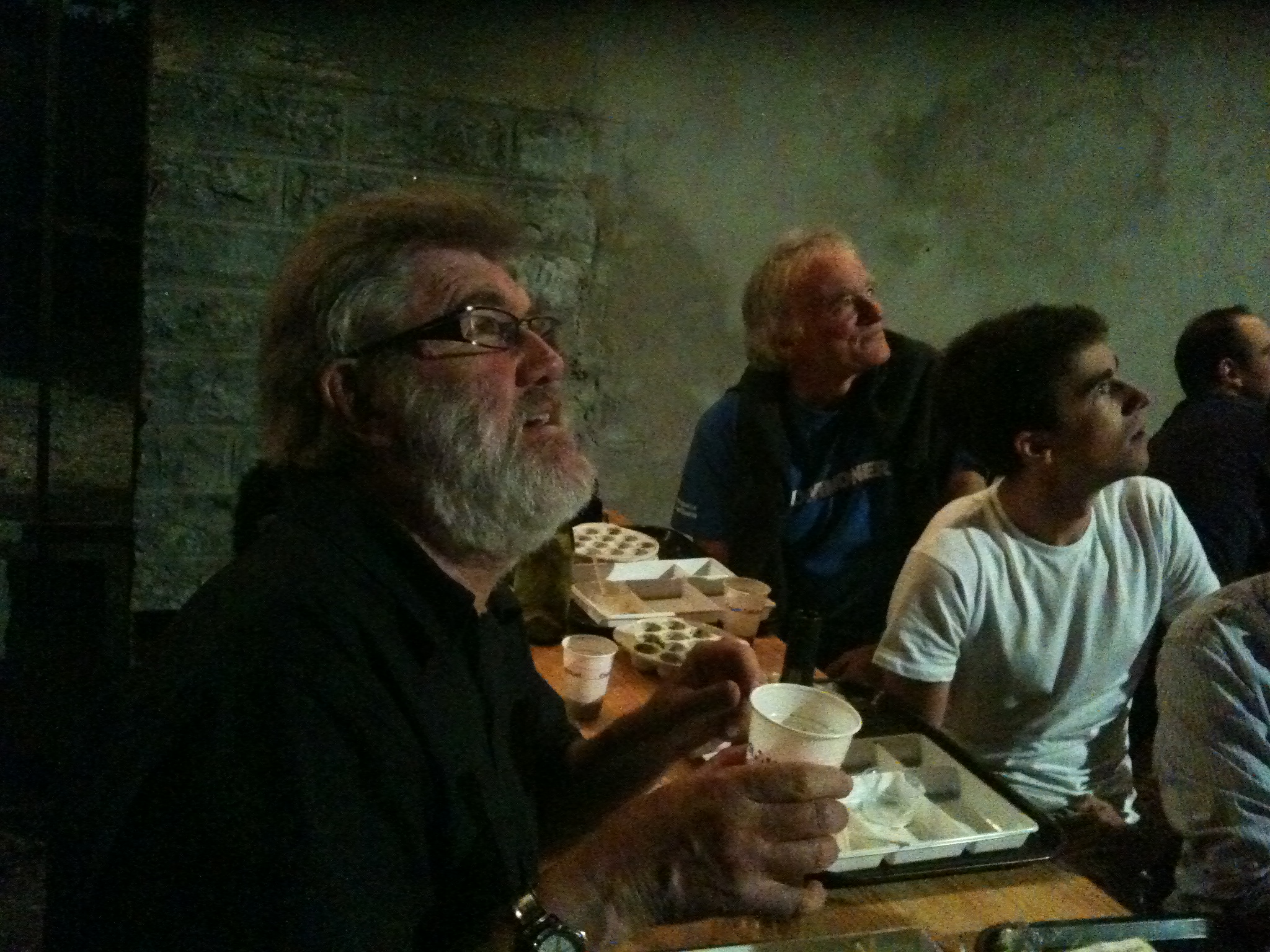
A long line stretches down the block to get into Sunday night’s meal. The smell of garlic reaches much further into the town. The festival offers meals at lunch and dinner on Saturday, Sunday and Monday and even though we arrive at 9:00 p.m., it takes almost an hour to go through the line to buy tickets. Thankfully, you can buy “Cocktail de l’Escargot” to sip while you wait. It’s a blend of Cremant and a burnt orange liquour that is slightly bittersweet and promises to inflame our taste buds (or something similar)

A 10 Euro ticket gets us each a meal that includes a few slices of salami, a slice of pate en croute, cole slaw, a piece of apple tart, cream (for the tart), a little pot of a soft cheese, bread, a gherkin hiding under the salami, and a hot tray of 12 escargots swimming in butter, parsley and garlic. We buy wine in bottles with specially designed labels, sporting one of the children’s snail drawings.

A confession. I have never eaten escargot. I think I have watched others eat them, but I don’t remember ever munching down on one. I had expected them served in shells that I would have to wrestle with, expected something slug-like that I would have to swallow with a smile on my face, all the while battling a rising gorge. However, the escargot are a delightful surprise, slightly chewy little nuggets that serve as vehicles for all of that garlic and butter. It is only at the sheer volume of animal fats that my stomach balks (salami, meat pate and all of that butter?! One craves a lettuce leaf or two!).

Even the vegetarians in the group are having a good time, although they fight over the treasured gherkins. The festive nature is infectious, especially when the fireworks begin. We are sitting in the best seats, on a bench right beside the canal where the fireworks are set off, and we are treated to a fabulous display of light and sound – our favourite being the swervy little lights that sound like screaming baby ghouls.

Watching the Fireworks
Fireworks

We end the evening with a bit of a dance to the accordion duet in the main tent, as we weave our way out to the street, walking back toward Bel Air under the stars, carrying the smell of garlic into the deep night air.


The Arrival of Johanna and Richard

With the arrival of Johanna and Richard (Annie’s daughter and son-in-law) from London, we are now 8 to dinner. As both Annie & Johanna are vegetarians, Tim decides that he wants to make his Salmon with coriander and lemon zest rub, and risotto. Tim, Peta and I venture into Digoin in search of a salmon filet.

On our way, we run into Claudette, who offers us “Blets” (Swiss Chard) from her garden. We make arrangements to pick it up on the way back from town.

The grocery store that might have a filet is the one that is furthest away – a good hour’s walk. But it is mostly down hill and we have much to talk about. The day is hot, but with a breeze, and although it is 4:30 in the afternoon, it seems just the right time of day to set out on such an adventure.

The supermarket offers a good selection of cheeses and we make sure to pick up our favourite old goat cheese – the very small rounds that encourage tiny tastes on the tongue. The fish section is small, and although there are chunks of salmon they are small and expensive. Tim is about to seal the deal anyway, when we find someone to ask about anything that might be in the back.

Alas, no, there is no whole salmon, but would this large trout, on special today, due? It is about 3 kg of goodness and Tim is ecstatic. We ask if she can pack it in ice for us, but we didn’t quite get our meaning across as she packs up a bag of ice separately. No matter, we pack fish and ice into the backpack and head home.

I have the wine and gin and tonics in my pack, Tim the fish & cheeses, Peta the lettuce and other items in a basket. We head out for Bel Air, distinctly feeling the hills as we head higher with each step. Tim’s pack is dripping down his legs – we are not sure if it is ice or trout juice. What is the bear population of Burgundy?

We arrive at Claudette’s, very hot and sweaty, and accept a large bag of huge Swiss Chard stalks and 3 beautiful courgettes. She tells us how to cook the Chard – it is a complicated explanation that my meager French cannot keep up with. It involves stripping the leaves from the stalks, stripping the veins from the stalks, chopping the stalks finely, shredding the leaves thinly, cooking the stalk bits, putting the leaves on top to steam, draining and then serving the whole with cream. Which Peta does, brilliantly, to go with the fish and risotto. The colours of the meal are vibrant and the eight of us are bonded by food.

Market Day in Gueugnon

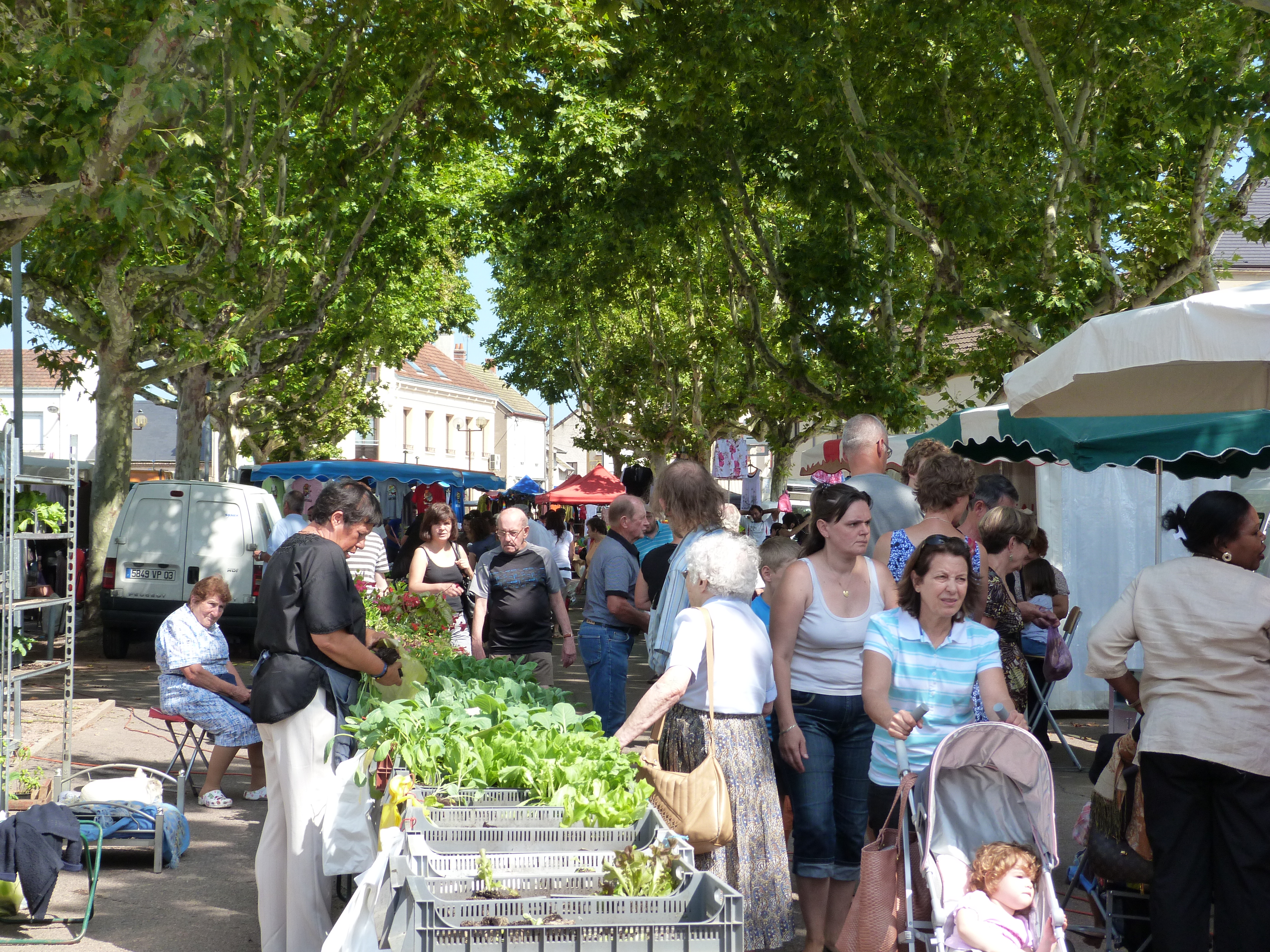
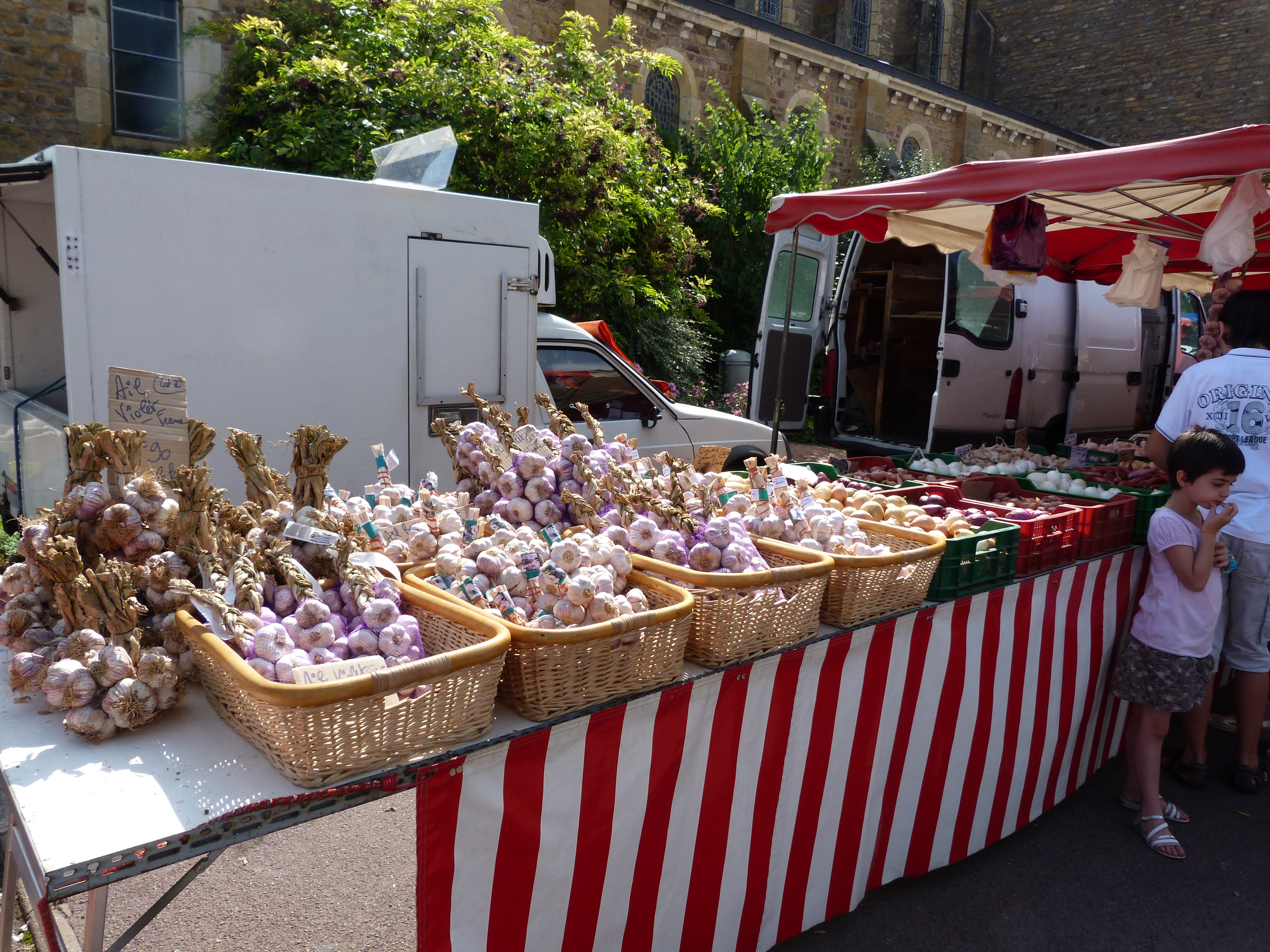
The market in Gueugnon is simple and glorious. Stands of breads, vegetables, sausages, fish, meats, cheeses alongside clothing, CDs, toys, shoes and mattresses all under the shadow of a Romanesque church.  I am immediately hungry, and want to buy some of everything. But we are here as a group, shopping for the 6, and trying hard to plan meals.

Vegetable stalls

We buy some spectacular, but ridiculously expensive mushrooms for Tim’s Thai fish stew. They are tan brown and oyster mushroom looking, but dissolve into lovely buttery softness when cooked. We accidentally buy two large bags (having divided into 2 groups of shoppers) and decide to use some in a large omelet for lunch, the rest for the Thai stew at dinner.

Red Garlics

We arrive back at Bel Air with our treasures – exquisite peaches at a perfection of ripeness; fennel, aubergine, cougettes, and pepper for tomorrow’s planned grilled vegetable salad; a Lyonaisse sausage with olives; a huge loaf of bread (Grosse Torte); herbs to plant in the new herb garden; the most stunning lettuce I have ever seen; some flip-flops for Matt and a big, bright, brassy necklace for me to wear when I am dressing for dinner. Famished, we put some coffee on as we put things away, knowing that omelets and fresh bread are just moments away.

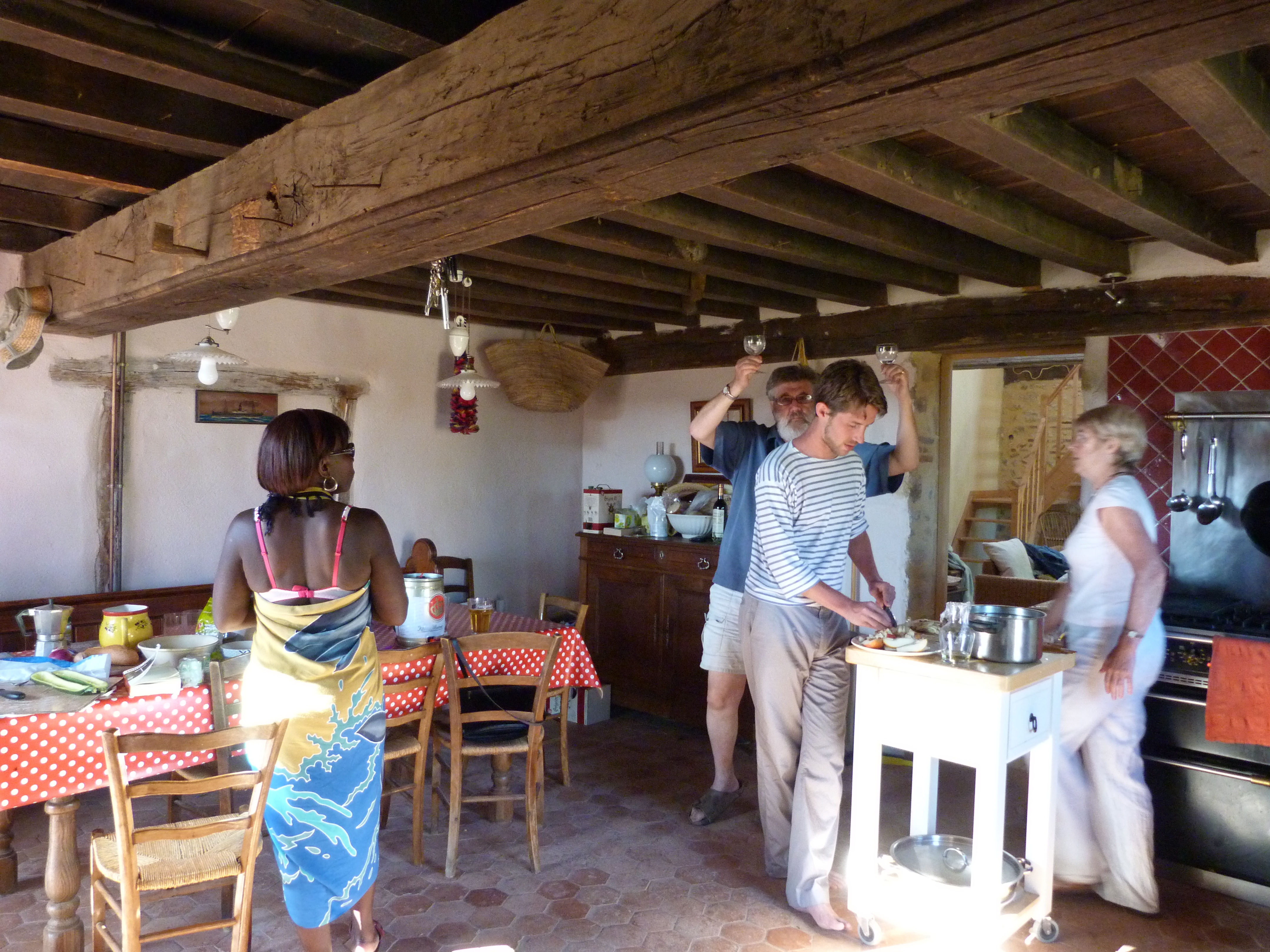
We cut vegetables – red peppers, shallots, the precious mushrooms – and Peta is soon at the stove heating butter.

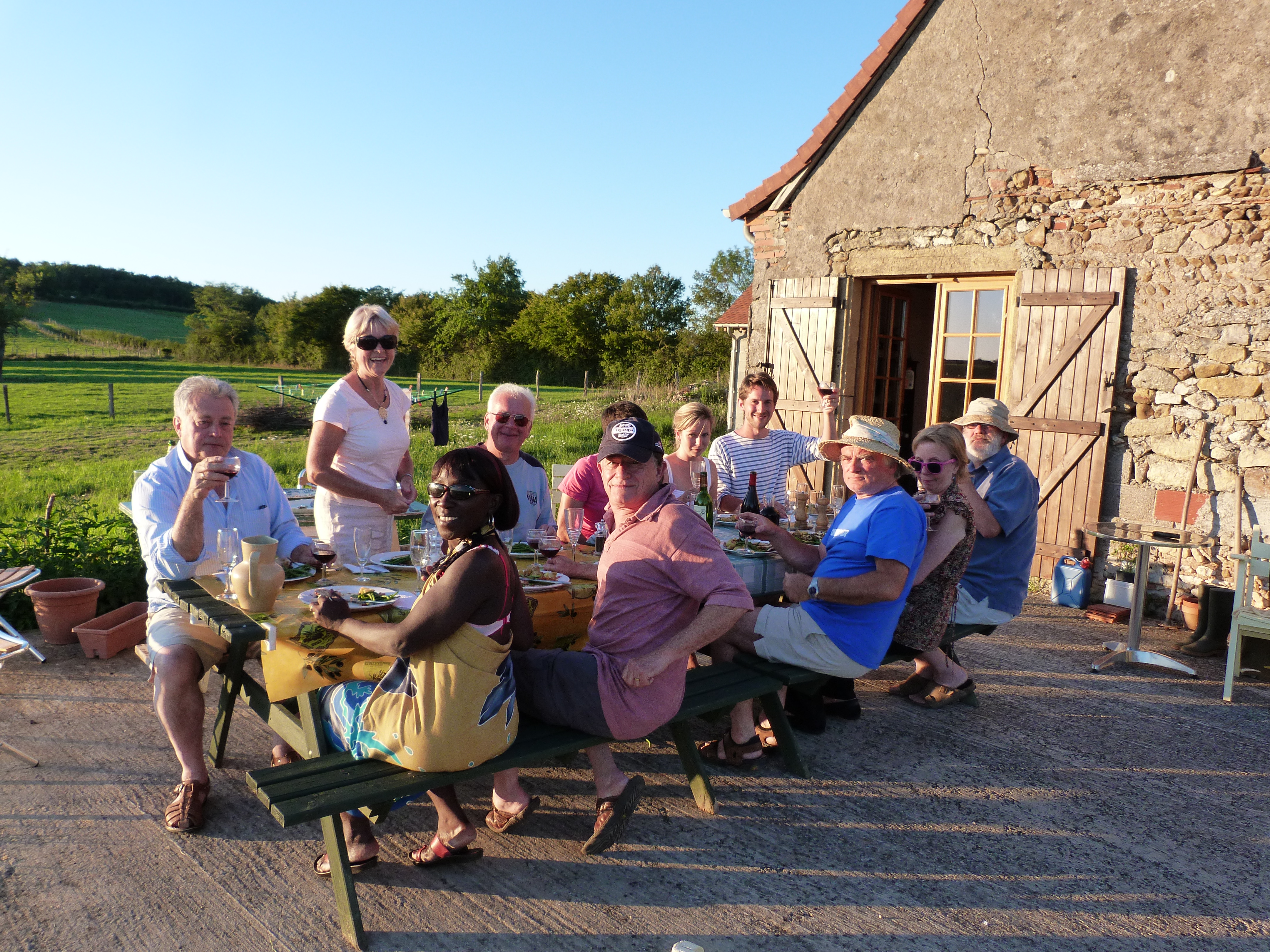
The omelets are worth waiting for. We linger long over lunch, enjoying each other’s company with just a bit more wine, thank you, and great guffaws of laughter that seem to fill the whole valley below.

The cheese stall in front of the cathedral

And so the Journey Begins!

We arrived in Lyon on Tuesday August 3, a bit late, but calm after an uneventful flight. Peta, Bryan & Matt were there to greet us and whisk us away to a small park, where we started the day with Cremant (Champagne), Orange juice, croissants and pain chocolat. A repast that ensured that I drifted in and out of consciousness on the rest of the drive to Bel Air.

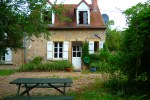
Bel Air sits atop a hill outside of the farming town of Digoin, in Burgundy. The original part of the house was built in 1776, and various additions were made over the centuries, all in keeping with the original style. Bryan and Peta bought it 20 years ago and Bryan has been working on it ever since, adding new sections, fixing up the old. As a result there are many nooks and crannies and they are able to house family and friends in abundance.

Tim and I are staying in the gite at the end of the building. It is a perfect cottage, furnished with a kitchen, bathroom, living room and bedroom. Private, but company is just next door. We’ll be in this section for a few days until a renter arrives, when we’ll move into the main section of the house.

Bryan says he built the pool before the house was even livable. The boys were little then, and he said it made sense to build the pool because they would be entertained for hours while he and Peta could get on with the renovations. Now, it is sheer heaven to cool off with the swallows skimming the surface of the water and the valley opening up beyond.

Gentle industry takes place all around us. Roosters crowing, cows lowing. A pace of life that has existed here for many centuries. It is hard to imagine the world beyond, except for the occasional boom of the Mirage jets in training, breaking the sound barrier. On my walks I see working farms, but also families who, like Peta and Bryan, have chosen this as an alternate to city life. I feel spoiled and indulged, but also can’t help but feel blissfully happy.