To be recognized for science writing is humbling –– especially as I am not a scientist.
I’m pinching myself.
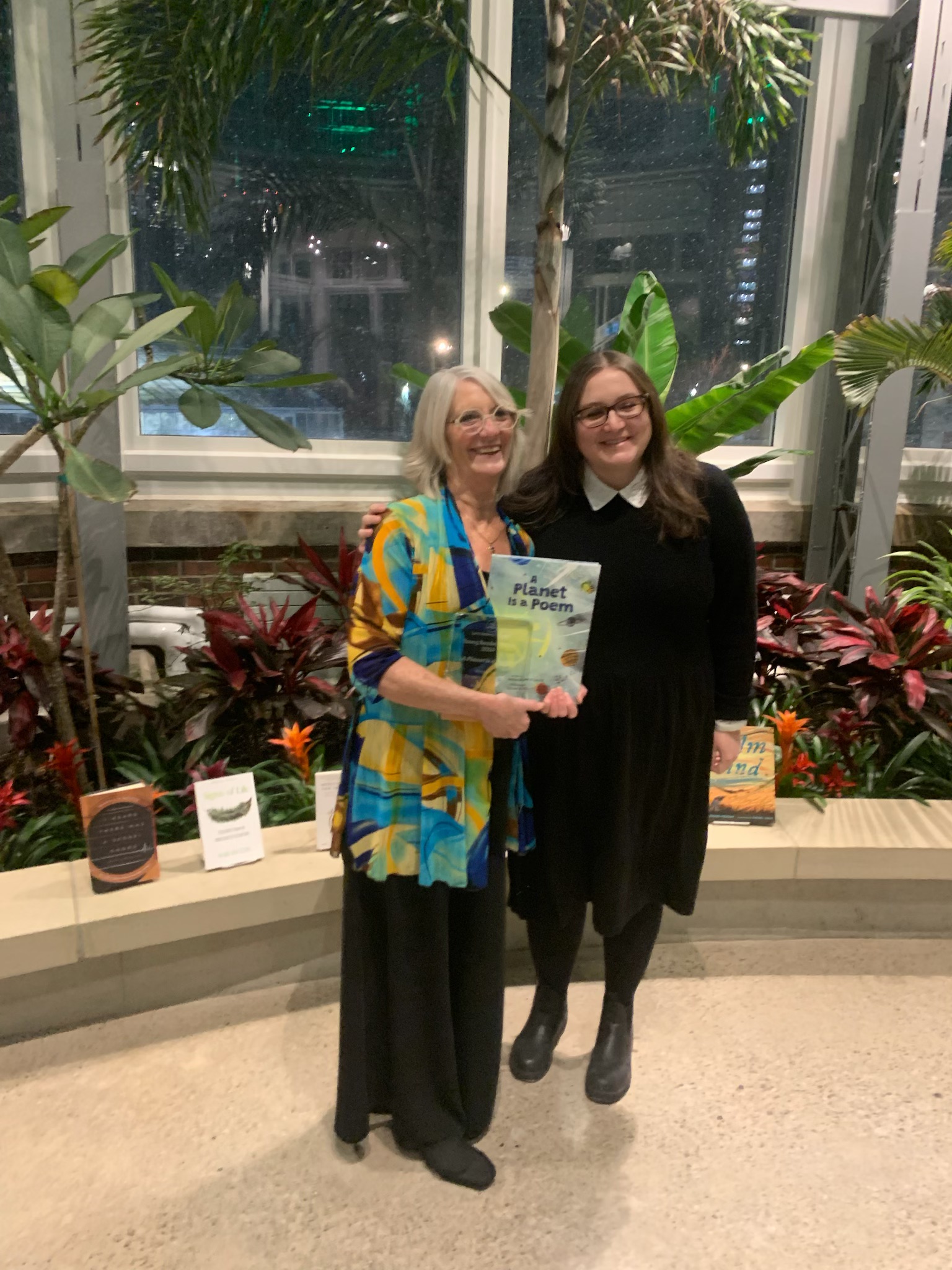
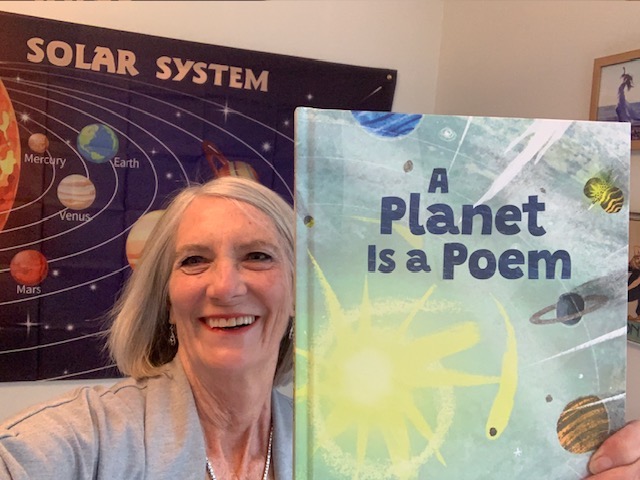
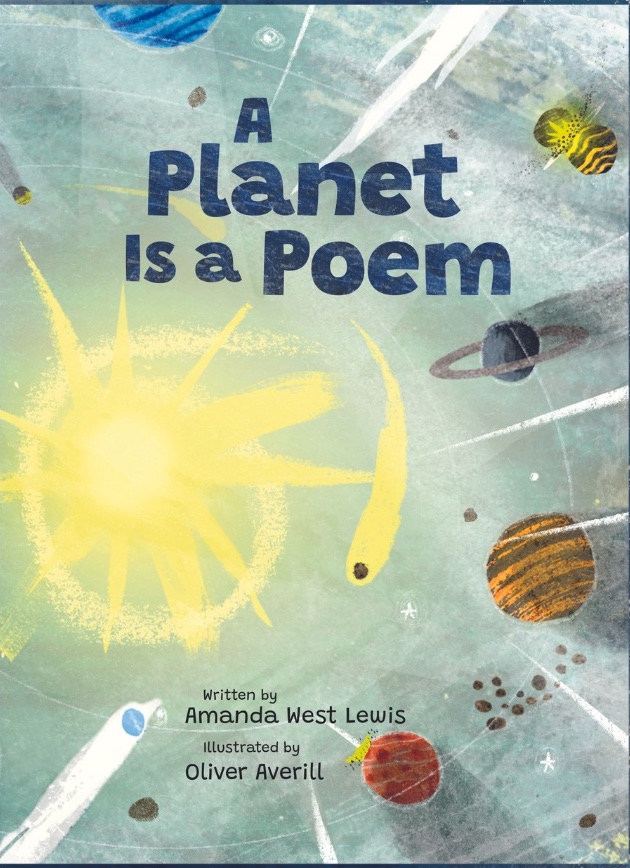
Last night, my book A Planet is a Poem was honoured with the Lane Anderson Award for science writing in Canada, youth category. So much of the credit goes to my editor, Kathleen Keenan, at Kids Can Press. She is a visionary!
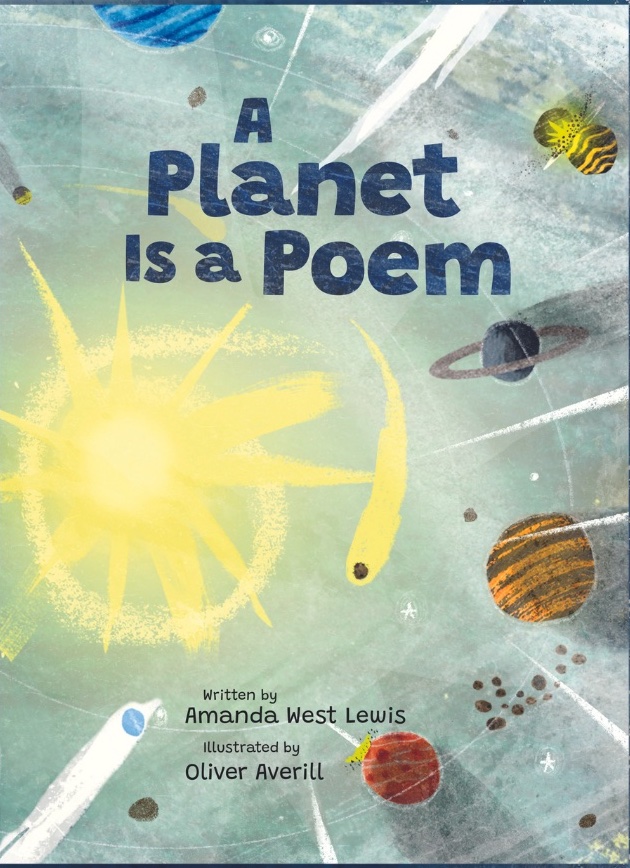
The book combines an exploration of the Solar System with an exploration of poetic forms. For me, science and poetry are a natural pairing — they are both ways of trying to understand the world through metaphor and imagery.
Before we were presented with the results, each nominee was asked to say something about their book. Here is what I said:
First of all, let me say how incredibly honoured I am that A Planet is a Poem has been shortlisted for the Lane Anderson Award. To be recognized for science writing is humbling –– especially as I am not a scientist. I’ve spent my life in the arts. But I think that artists and scientists have, at base, a common, shared desire to make sense of the world. We may have different approaches, but our need to express our curiosity comes from the same root.
It’s thrilling when a passionate scientist makes sense of their area of expertise for a lay person. You hear that passion every week on the CBC radio show Quirks and Quarks. (I’m a big fan.) In each episode, you hear passionate scientists sharing their latest discoveries –– a beetle, a volcano, the discovered moons of Saturn.
But many of the things that scientists need to explain are huge concepts beyond our understanding. To bring their knowledge to non-scientists, they must find language that describes the indescribable. Inevitably, they resort to metaphor and imagery. And in doing that, scientists and artists share a common language. Poetry.
In 2015, Quirks and Quarks featured a number of reports from the New Horizons Space Probe. The probe had just sent back the first “close ups” from Pluto. The scientists could barely contain their excitement. They talked about Pluto having a red, heart-shaped plateau on it that ebbs and flows. Just like a beating heart, they said. What an image! A beating heart on the edge of our solar system! Who couldn’t fall in love with that? Then someone on the program said: “The skies above Pluto appear as bright blue.” Blue skies? Blue skies on the edge of the solar system? I quoted that line to everyone I knew. “The skies above Pluto appear as bright blue.” “Did you know: The skies above Pluto appear as bright blue?”
At the time, I was in the midst of studying into different poetry forms. I heard rhythm in everything. “The skies above Pluto appear as bright blue” is iambic tetrameter.
As an exercise, I decided to use that rhythm and make a Pantoum for Pluto. A Pantoum is a complex poetic form, like a puzzle. I’d never written one, and I liked the alliteration of “A Pantoum for Pluto”. Suddenly I was deep in imagery, metaphor, rhythm, rhyme and exciting new science. I dug deeper. I was doing exactly what scientists need to do –– explain things through image and metaphor to excite and spark people’s imagination.
I became hooked on poetry and planets. I was lucky enough to connect with my editor Kathleen Keenan at Kids Can Press. She, too, is mad about poetry and planets. Since I was deeply into studying different poetic forms, Kathleen suggested I try writing about each planet in a different form.
So I set to work researching the planets. As I researched, I realized that they had wildly different characteristics. I’m primarily a novel writer and a theatre person, and when you write a novel or a play you get to know your characters intimately. You learn their rhythms, their pace, their idiosyncrasies, their likes and dislikes. The planets presented themselves to me in the same way –– as characters in the great play of the Solar System. I realized wanted to support their uniqueness by pairing them with different poetic forms. Thus, Mercury, who spins very quickly, is contained in a fast-paced poem with rhythms that echo Dr. Seuss. “Mercury’s tiny/ Of planets the smallest/ But named for a god/who was known as the fastest.” There is, incidentally, a crater on Mercury called Dr. Seuss. Uranus, who spins sideways like a barrel and has a huge corkscrew-like magnetic tail that stretches for millions of miles, is written in free verse that echoes its unique, “free spirit” nature. And Pluto? Pluto is not a Pantoum – however much I loved the alliteration of A Pantoum for Pluto. No, Pluto is in a Companion poem with Charon, the two of them permanently linked and inseparable. Two poems that twine together.
The book became an interconnected way for young people to learn about our Solar System and about poetry.
When I was a little girl, I went to the Hayden Planetarium in New York. I had no knowledge of the night sky, other than the occasional glimpse of the moon. I was a city girl, and visions of stars, let alone planets, were not easy to come by. But that trip to the planetarium, with its mechanical whirling planets, sparked my little girl imagination. Writing this book was my gift to that child, and to all children, especially those who are not scientifically minded, those who live in cities and can’t see the stars, but are young people whose scientific imaginations can be sparked though the arts and go on to have a greater understanding of the world around them.
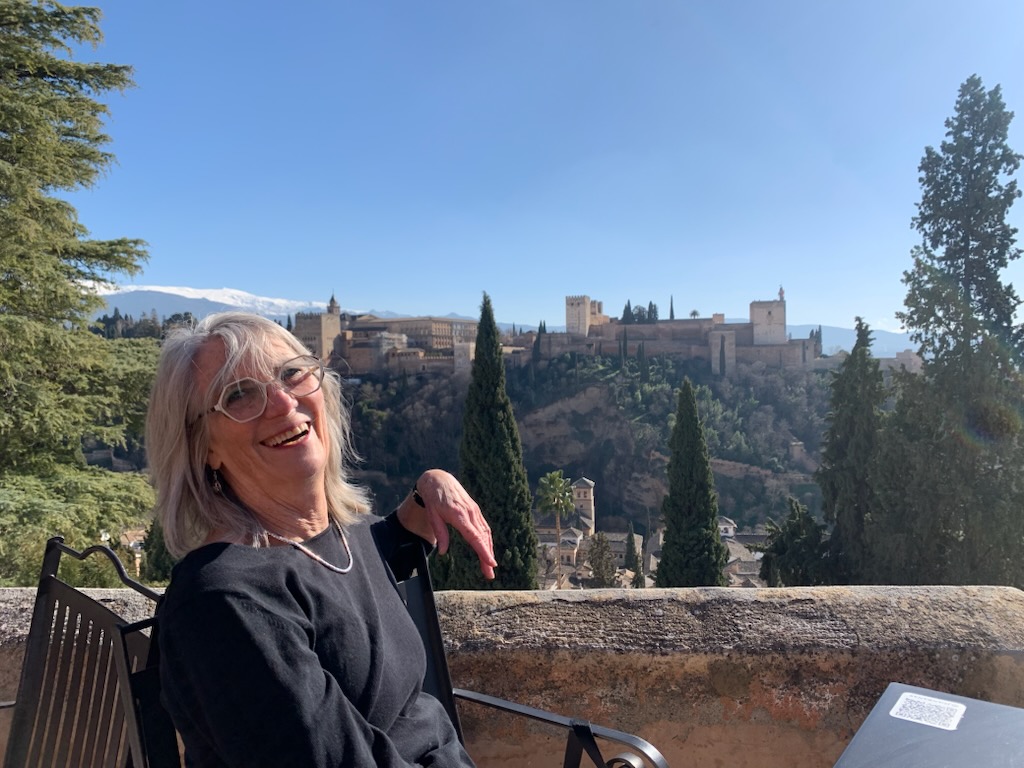
We spent a small fortune to sit and have wine on the edge of the rock, with the Alhambra and the snow-covered Sierra Nevada mountains in the distance. But it was worth every penny.
And then there is Granada.
If anyone were to ask my advice about visiting Granada, I would say “Spend twice as long as you are planning. It still won’t be enough.”
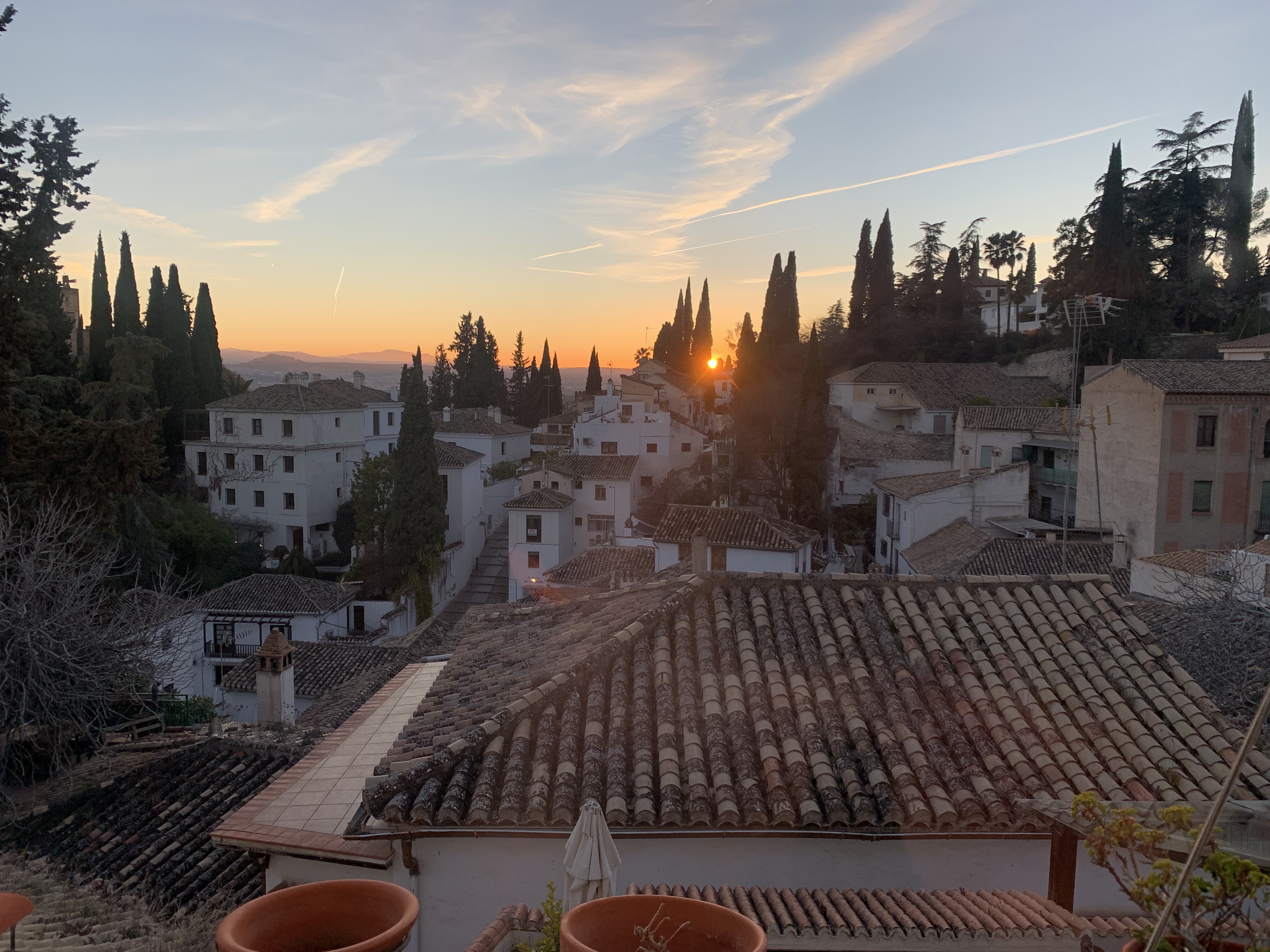
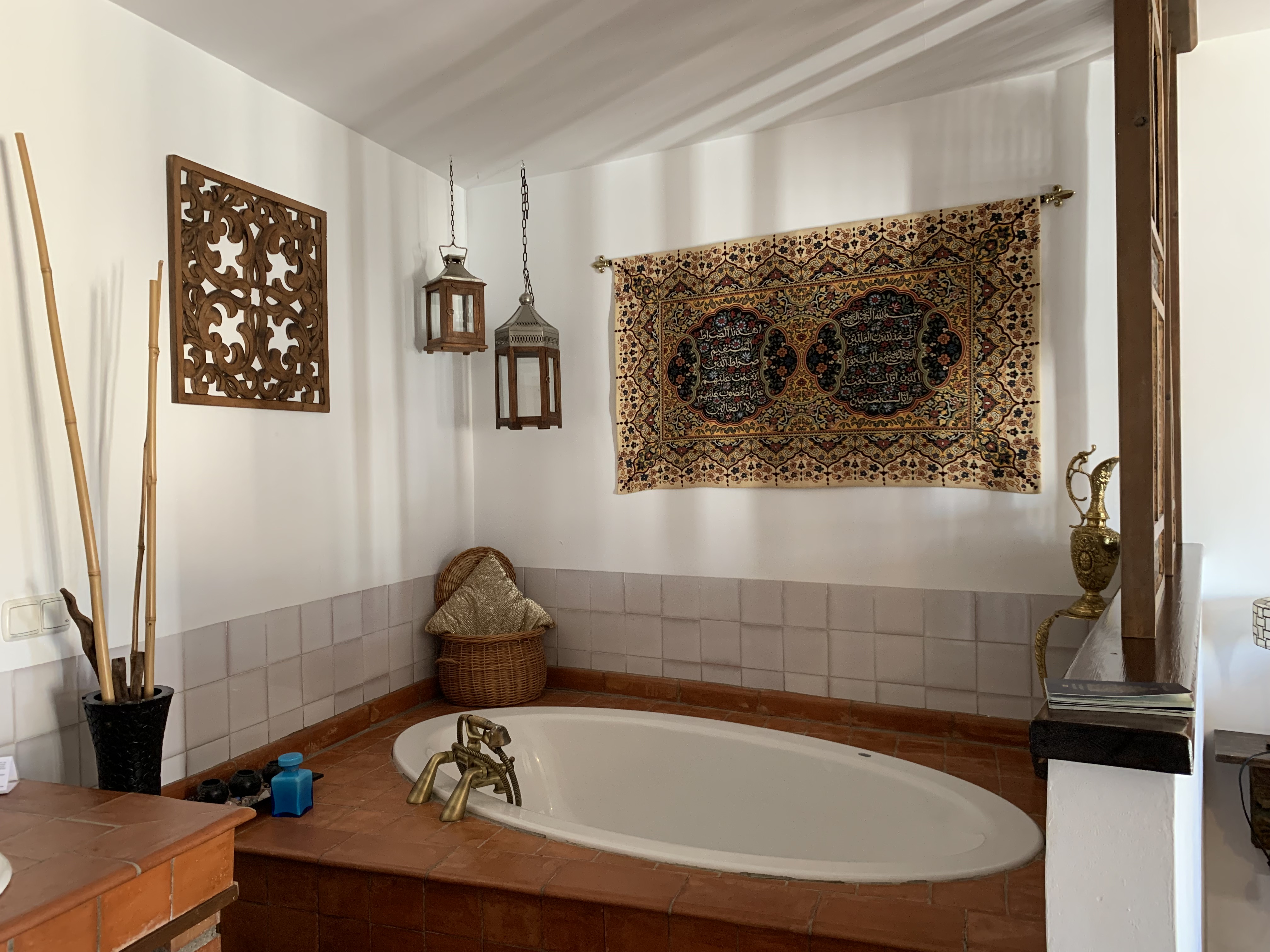
The main feature for tourism in Granada is the Alhambra, and that was why we went. I had no idea I would become so totally enchanted by the city and the culture. We had a magical room in a guest house, Solar Montes Claros, in a neighbourhood on hill above the city centre, the Albaicín. If we had done nothing else, the trip would have been worth it just to spend time there. Spacious and designed like something out of the Arabian nights, it overlooked the Alhambra and the city below with stunning sunsets.
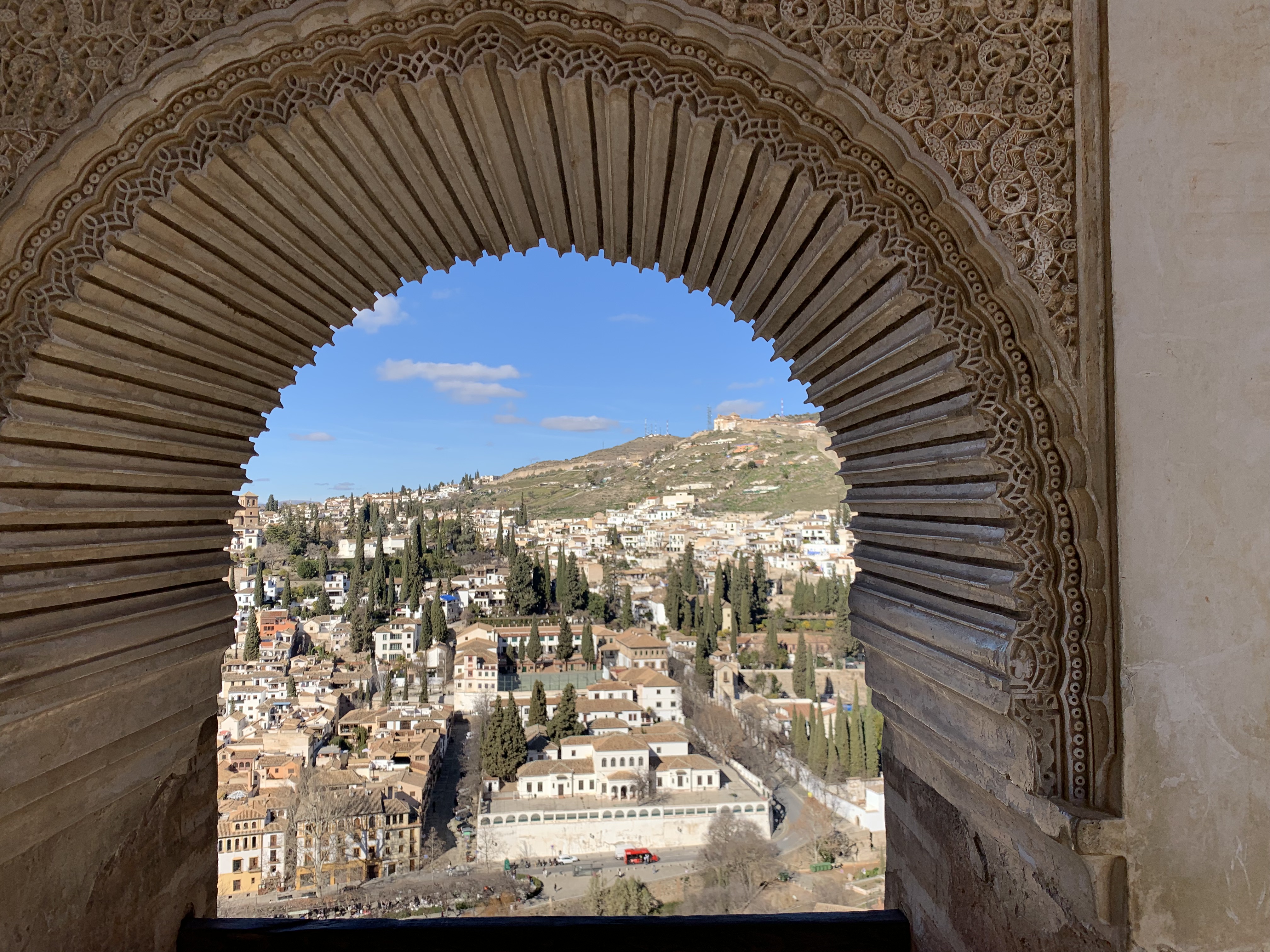
View of Granada from our window at Solar Montes Claros
After a day of hiking in the hills, It was glorious to soak my aching muscles in a bath fit for a queen.
We didn’t go to the Arab baths, but this was a close second
The Albaicín is the oldest Arab district in Granada. The roads are a maze of narrow streets and the hills are steep –– perhaps not the ideal location for aged hips. But I’m so glad to have discovered it. It had a huge influence on our experience in Granada. We only just scratched the surface of what is there.
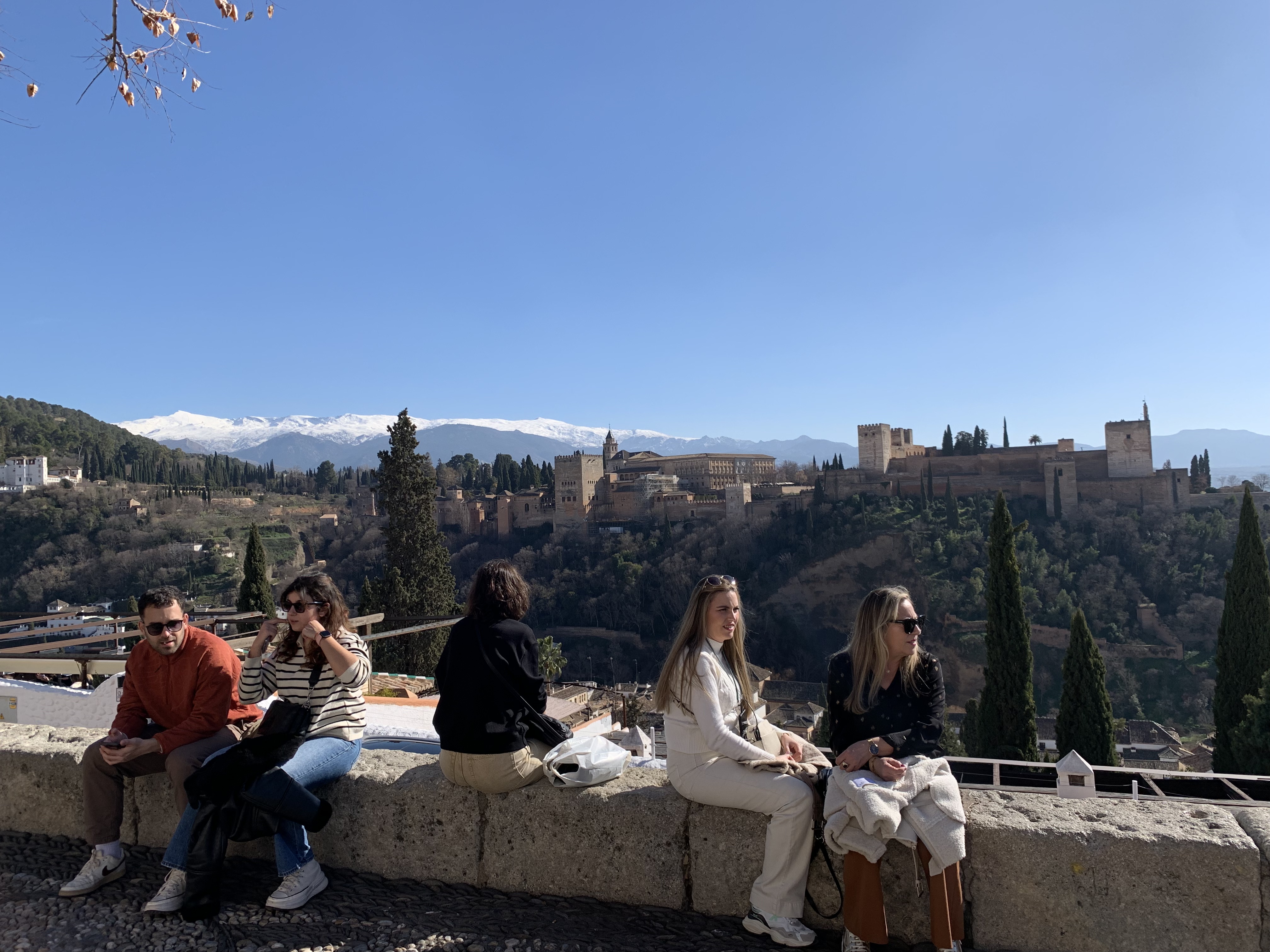
On our first afternoon, we navigated the streets up to the best look out point, the Mirador San Nicolás. I’m embarrassed to say that I had done very little research about Granada before we left –– if I had, I would have found out that this small square is considered the best view in Granada. It is phenomenal and somewhat life-changing. The sun shone and a handful of people gathered in the small plaza to soak it in.
Mirador San Nicolás
We spent a small fortune to sit at a restaurant and have wine, immersed in this beauty on the edge of the rock, with the Alhambra and the snow-covered Sierra Nevada mountains in the distance. It was worth every penny.
Add in the Spanish white wine and the olives and you have a pretty perfect moment.
Albaicín is adjacent to Sacromonte, which is the neighbourhood that the Roma moved into in the 15th century. Both Albaicín and Sacromonte are known for the white-washed caves (cuevas) that were carved out of the rock for people to live in. The area is still a stronghold of Roma culture. Importantly, it is the home for flamenco in Granada.
The caves are small, and those that are used for flamenco have a few chairs and tables and a small stage. If they are really small, they may only have a few chairs tucked along the sides of the cave. You can often buy dinner as well. A drink is always included.
I found a cave called El Templo del Flamenco that sounded like it would not be too touristy, so I purchased tickets for that evening. We set off with our GPS lit up. It is very easy to get lost in the maze of roads. Sharp turns and steep cobbled inclines transformed into drastic plunges only to spike upwards again. I kept my eye on the GPS, but it turns out that while GPS is fine on flat landscapes, it struggles to differentiate levels. In other words, we would follow it to where it told us to go, only to find out that our true destination was on the street directly above us. Which would mean retracing our steps and re-negotiating the hills we had just been on. At one such juncture Tim was ready to bail. “How much did you pay for these tickets…?” But we persevered and finally found our way to El Templo del Flamenco and a cave that holds about 40 people.
I don’t have any critical eye to describe Flamenco. I know that this show was very good, but it didn’t thrill us as much as the raw energy we had felt in Cordoba. But that may have been entirely subjective. However, this was the only place we saw a male dancer and he was astonishing. Somehow he conveyed humour and passion in such a way that we thought he might explode on the stage. I thought back to the definition of Duende: A heightened state of emotion, expression, and authenticity. A tragedy-inspired ecstasy. He embodied all of that. I don’t know how his body contained that energy. Try to imagine Buster Keaton, Fred Astaire, Rudolf Nureyev, Michael Jackson and Leonard Cohen all wrapped up together. He was that good.
We were a bit dazed as we wound our way back to the guest house. We found a square where we stopped for a light dinner at a Taberna –– the owner told Tim what he wanted to eat and would brook no argument. But we were happy to eat whatever he brought (as it turns out, he brought a hot stone sizzling with some pork medallions on it), as we sat outside under a soft drizzle of rain, our ears and eyes filled with magic and questions.
The next day was our day to go to the Alhambra. In the morning, we walked down (and down and down) into the city and were stunned when we got there to see how cosmopolitan it was. In front of the Cathedral we came across a red carpet and what was obviously a paparazzzi moment. We learned that the Goya Awards (Spain’s equivalent of the Oscars) were being held in Granada that night. That gave the city an additional sparkle of glamour for us.
The Cathedral of Granada, built in 1518 overtop of the city’s main mosque. I don’t know who was being interviewed, but clearly you don’t want to mess with the guy in the foreground
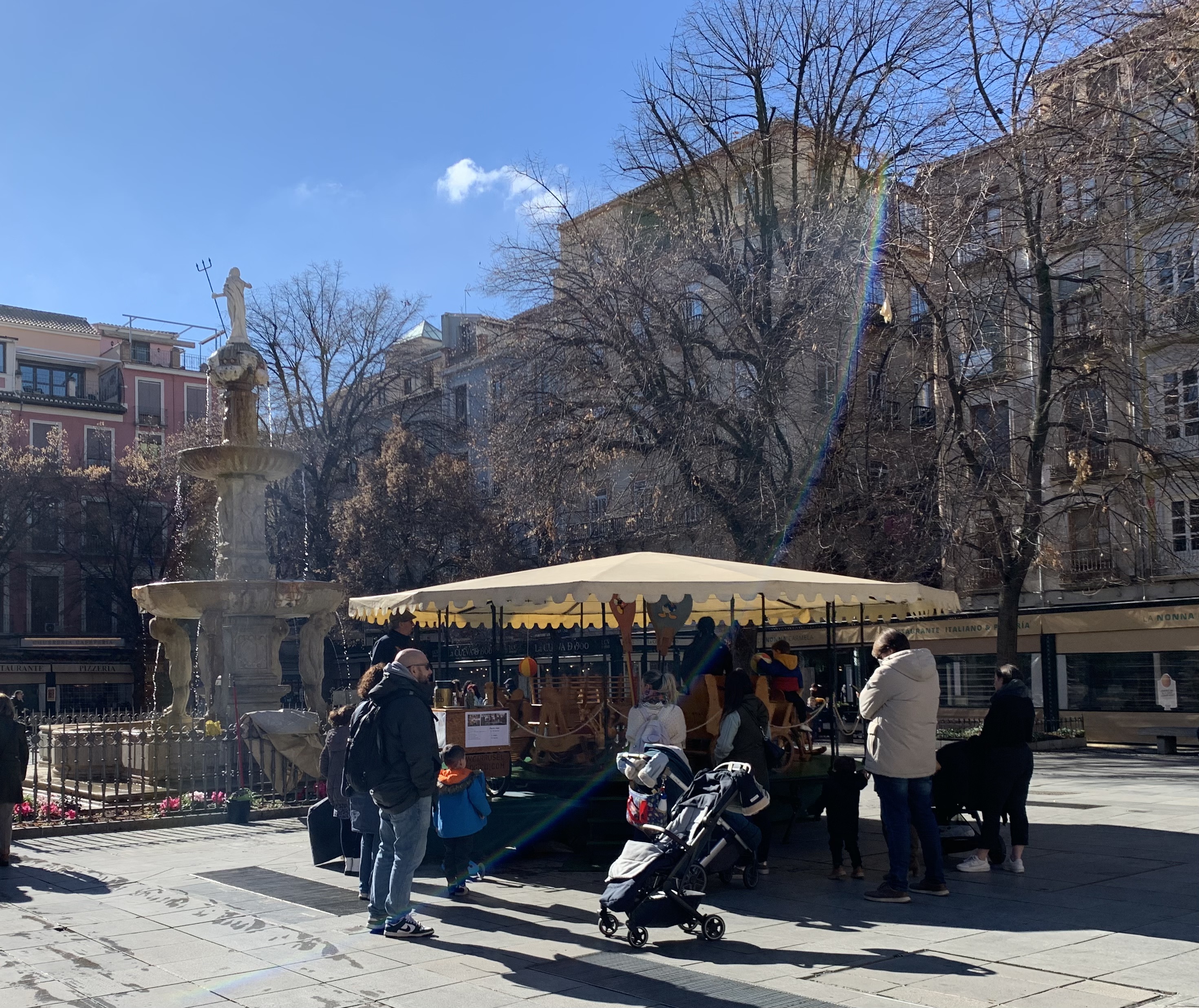
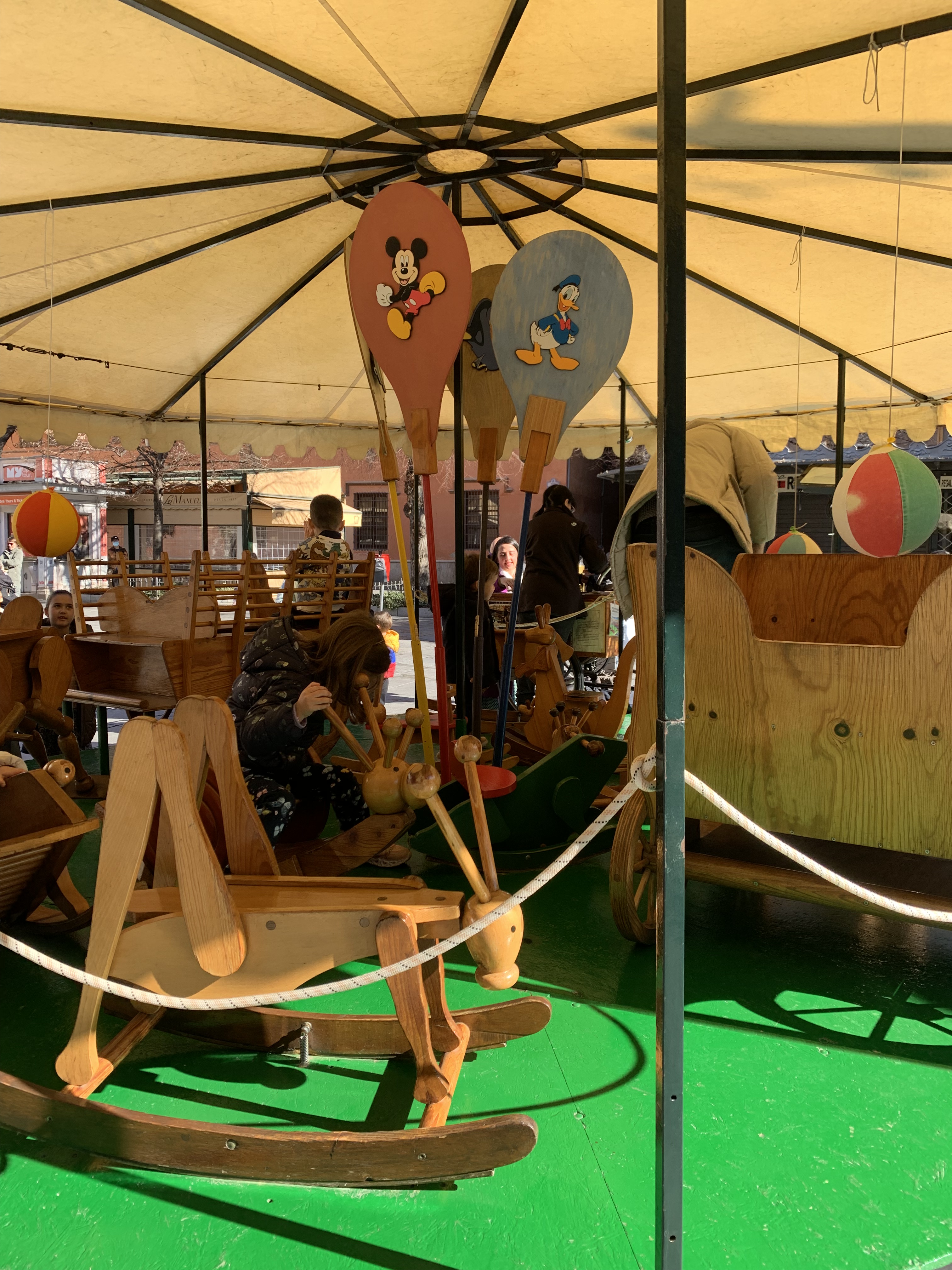
The centre of town has thoroughfares of dense traffic on spacious wide streets but leading off these are surprising narrow alleys that open out to plazas that feel like small villages. We found a children’s carousel made of wooden animals and powered by a man pedalling a stationary bicycle. An “eco-carousel.”
The Carousel was doing a brisk business in the February sunshine.
Apparently they’ve been in operation for 25 years.
We had coffee and absorbed a bit of city life until it was time to head up to the rarified atmosphere of the Alhambra.
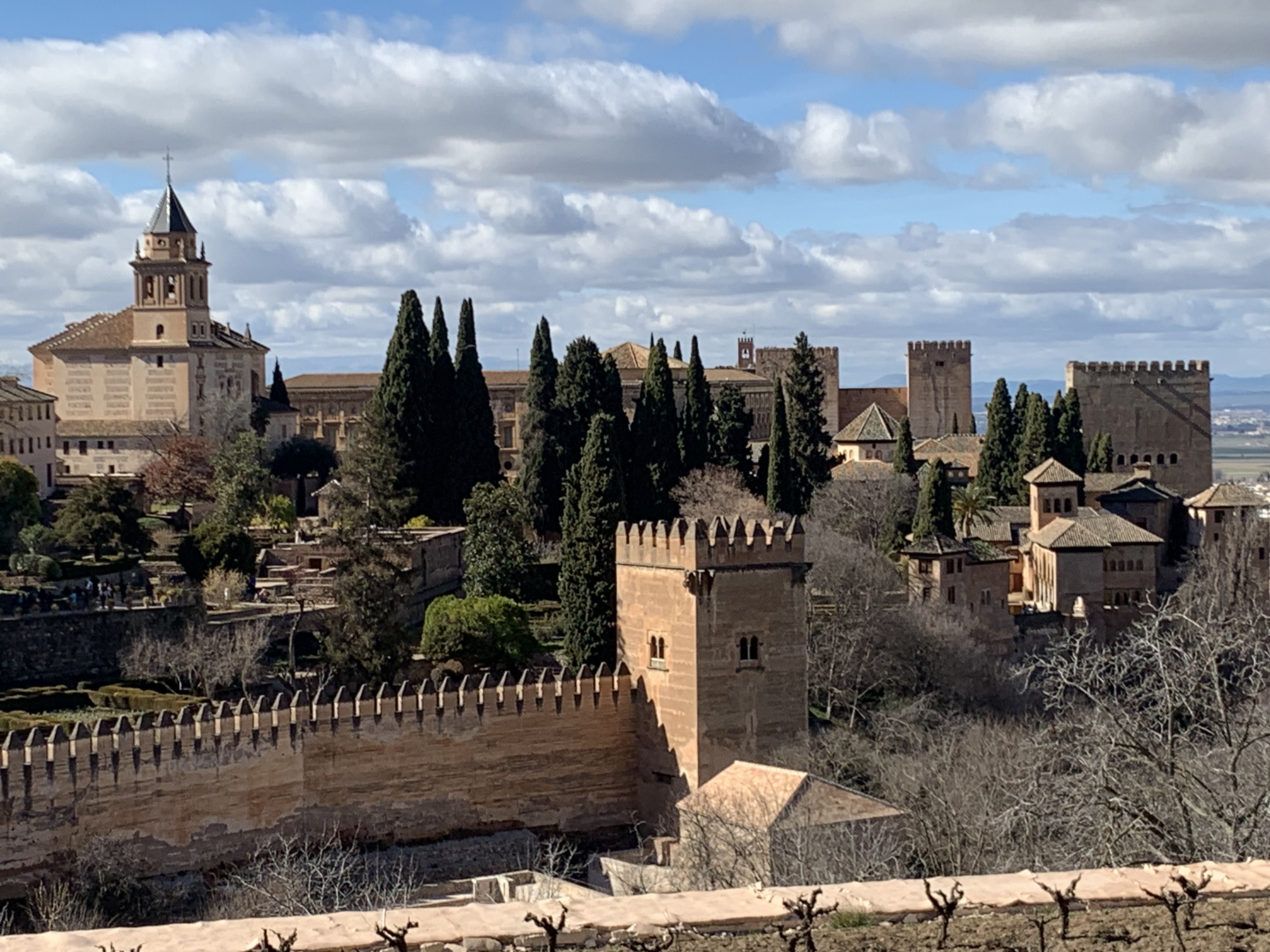
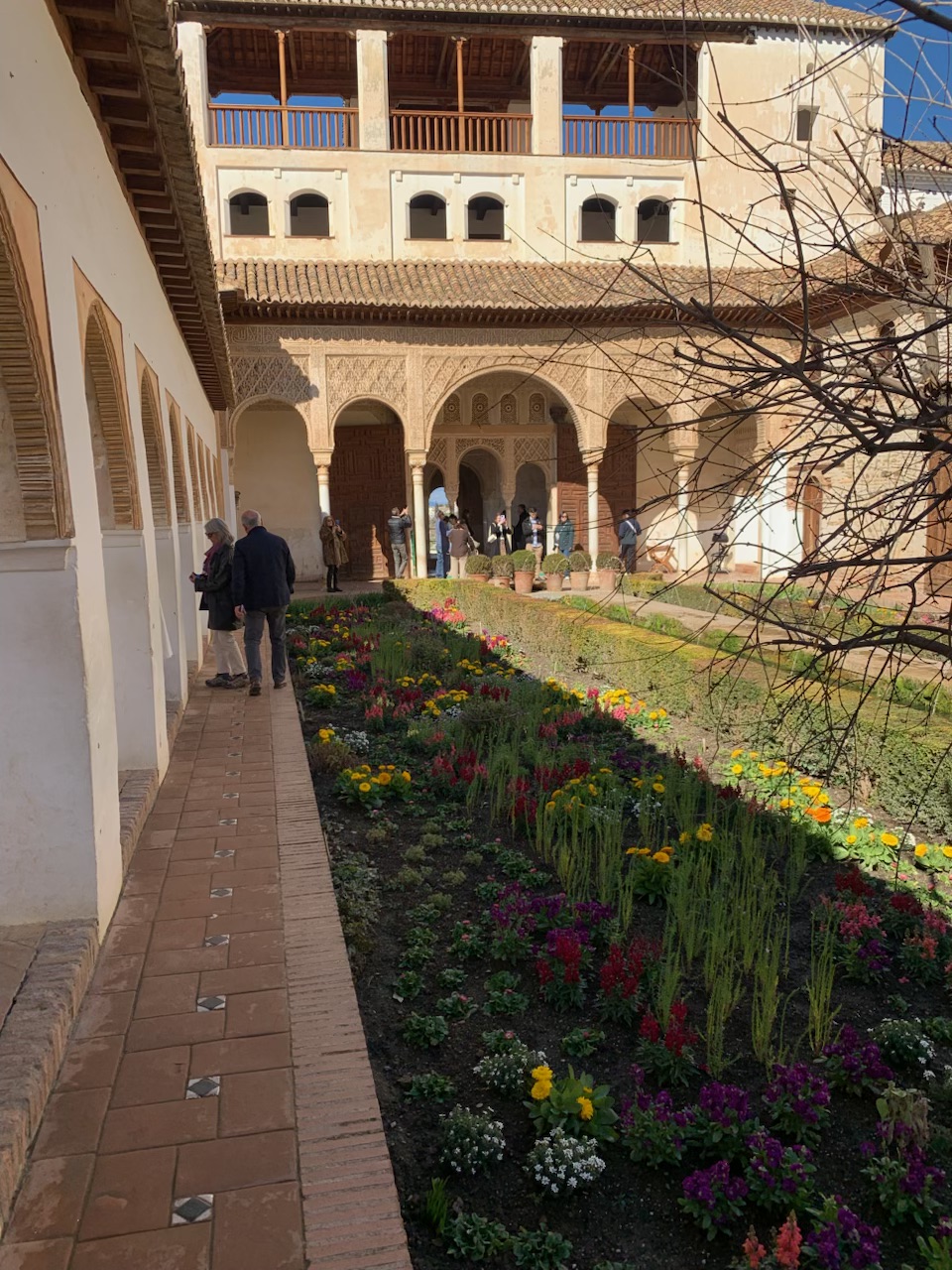
View of the palaces from Generalife, the gardens
The Alhambra is one of the best-preserved palaces of Islamic architecture. The site atop the al-Sabina hill in the Sierra Nevada mountains commands the surrounding countryside. Constructed in 1238 by Muhammad I Ibn al-Ahmar (the first Nasrid Emir and founder of the Emirate of Granada) over pre-existing Visigoth and Arab fortresses, the Alhambra was to be the last holdout of the Al-Andalus empire. In its hey-day, it was a self-contained city that looked out to the town below.
Looking down from the Nasrid Palace
The Emirate of Granada fell to the Spanish Reconquesta in 1492. The Arab palace became the court of Ferdinand and Isabella. Christopher Columbus presented his sailing plans here, in the Hall of the Ambassadors. Today, it is a UNESCO World Heritage site that is astonishing for its location, gardens, complex tile and carvings.
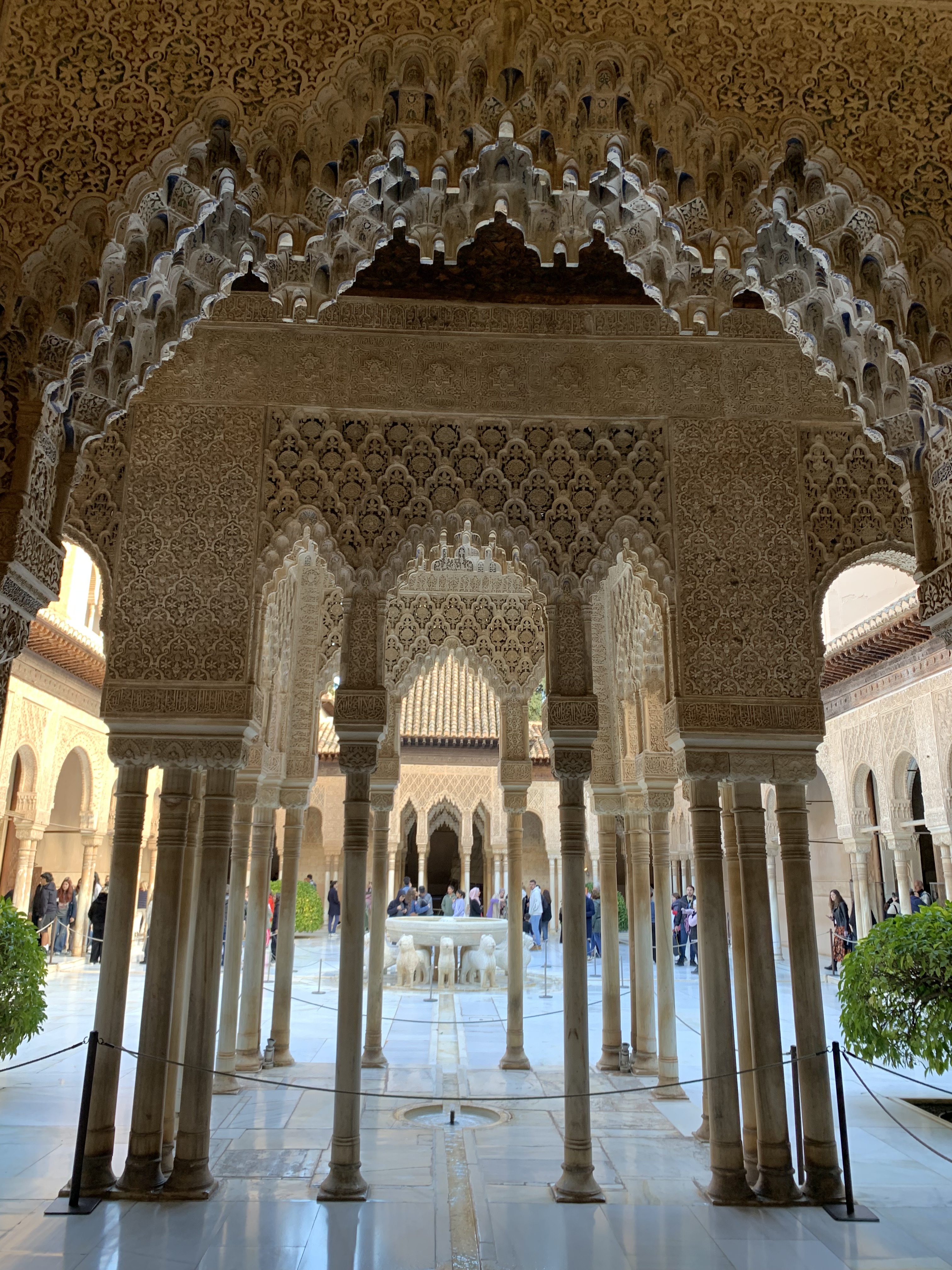
It is hard to grasp the beauty and detail in these tiled walls, arches, and fountains. Around every turn there is a window framing a courtyard or the vista of the landscape.
Court of the Lions
It would take many days to truly do justice to the grandeur of the Alhambra. The carvings, the gardens, the reflecting pools –– it is hard not to be overwhelmed by this beauty. It has inspired writers throughout the centuries, including Washington Irving whose Tales of the Alhambra (1832) brought the palace to international attention.
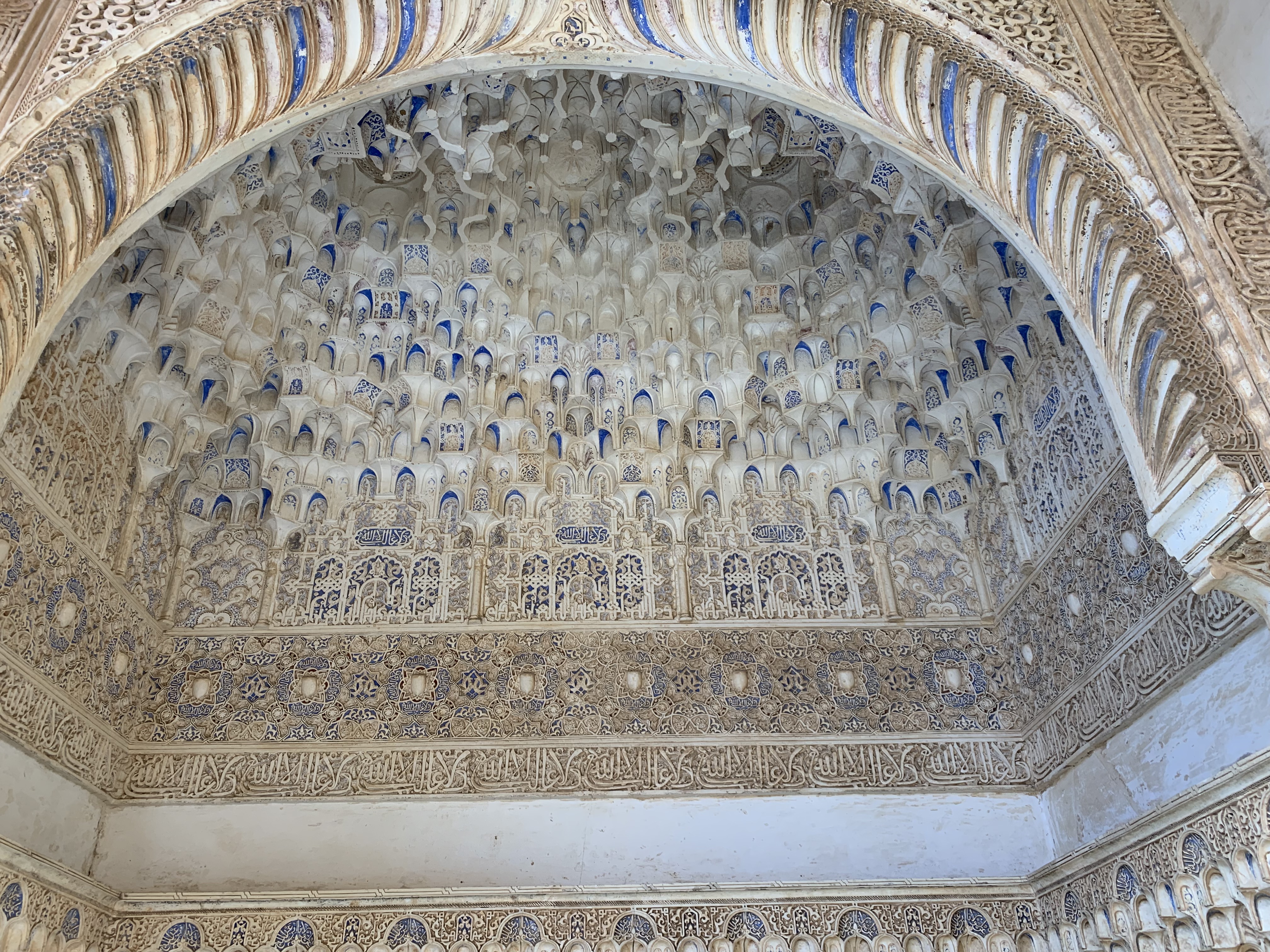
No photo could do justice to the intricate carving and Arabic epigraphy on this dome.
We spent two hours just walking in the gardens (Generalife) and even though it was February, when the plants in the gardens were dormant, we were overwhelmed by the grandeur.
Generalife was a kind of summer residence for visiting sultans.
The Alhambra was definitely the pinnacle of our journey into the Islamic architecture of Al-Andalus.
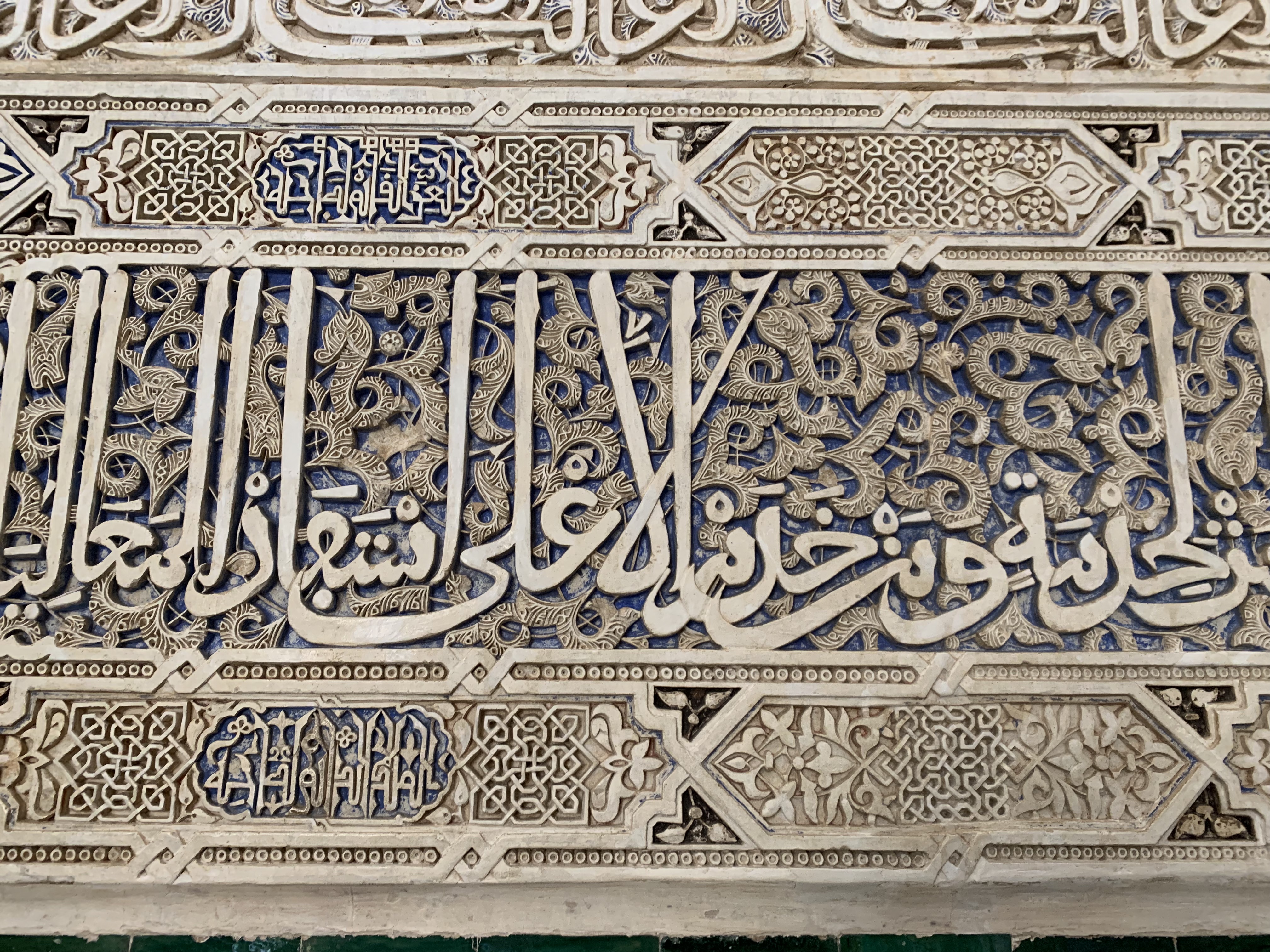
Detail of the epigraphy and geometric designs. You can see the use of lapis lazuli behind the marble. These carvings fill the walls of the Nasrid palace.
But Granada is far more than the Alhambra. At the bottom of the street where we were staying in Albaicín was another flamenco cave, La Cueva Flamenca Los Parrones. We had been approached on the street by one of the owners (we think he was – my Spanish isn’t great) who persuaded us to come to the show. We said we would since it was going to be the last chance we’d have to see more flamenco on this trip. But could they give us something to eat that night if we came? We were taken to the kitchen to smell the stew they would give us, an Adalucian specialty with chick peas, vegetables, and meats called Puchero. “Como tu abuela hacia!” (Like your grandmother used to make!) It smelled heavenly. We were sold. And so, after a post Alhambra rest, we went out for our last night of Flamenco.
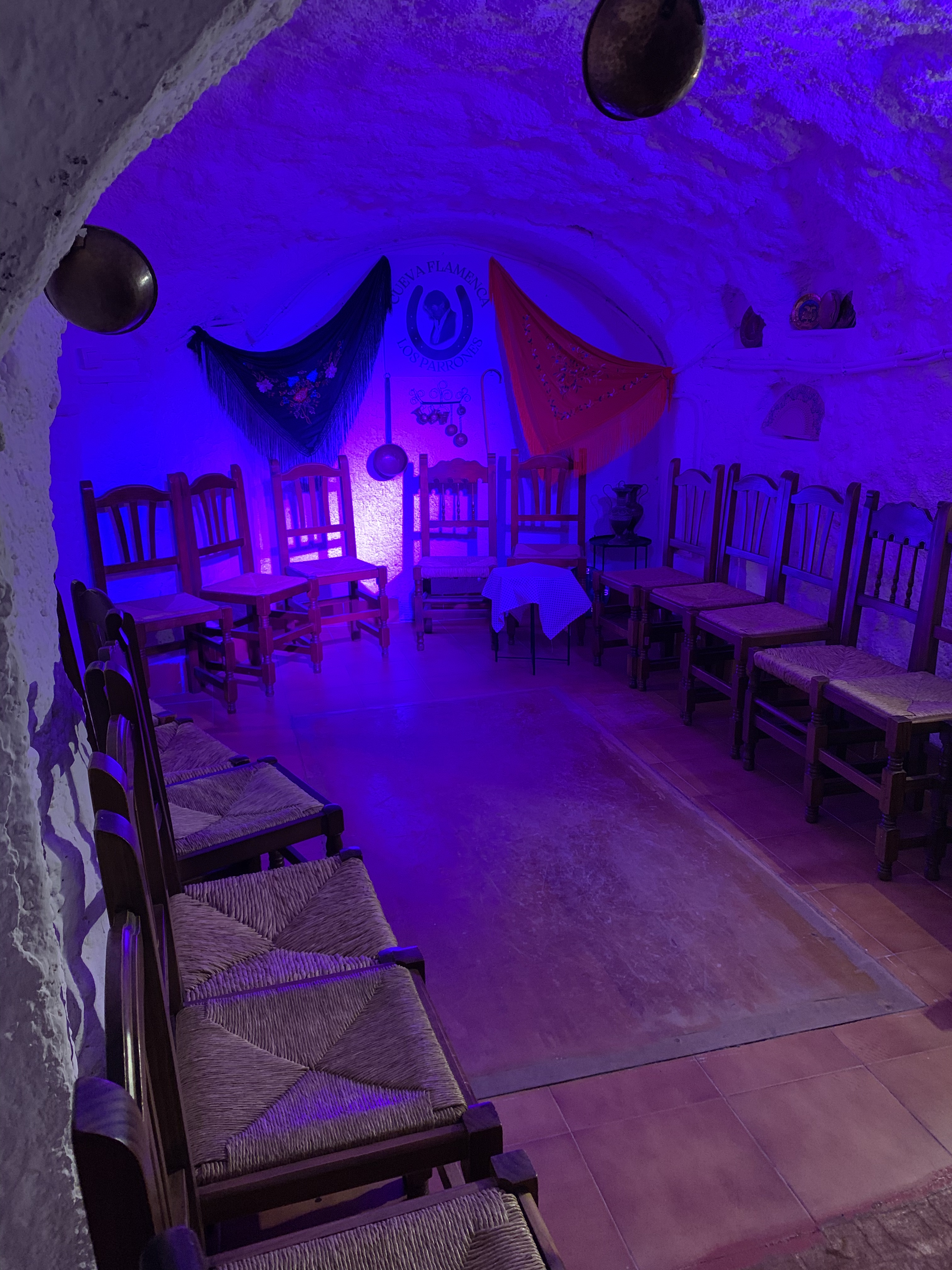
We sat with fourteen other people in a tiny room carved out of the rock.
We were sitting on the right, at the head of the room. The guitarist sat in the chair behind where the white cloth is, and I sat beside him.
We were given pride of place right beside the performers, literally so close that the dancer accidentally kicked Tim at one point. The guitar player needed to turn sideways so as not to hit me when he needed to tune. It’s not hyperbole to say we were transported by the music and energy of this moment. This was our experience of duende, although without the stripping of clothes or throwing chairs.
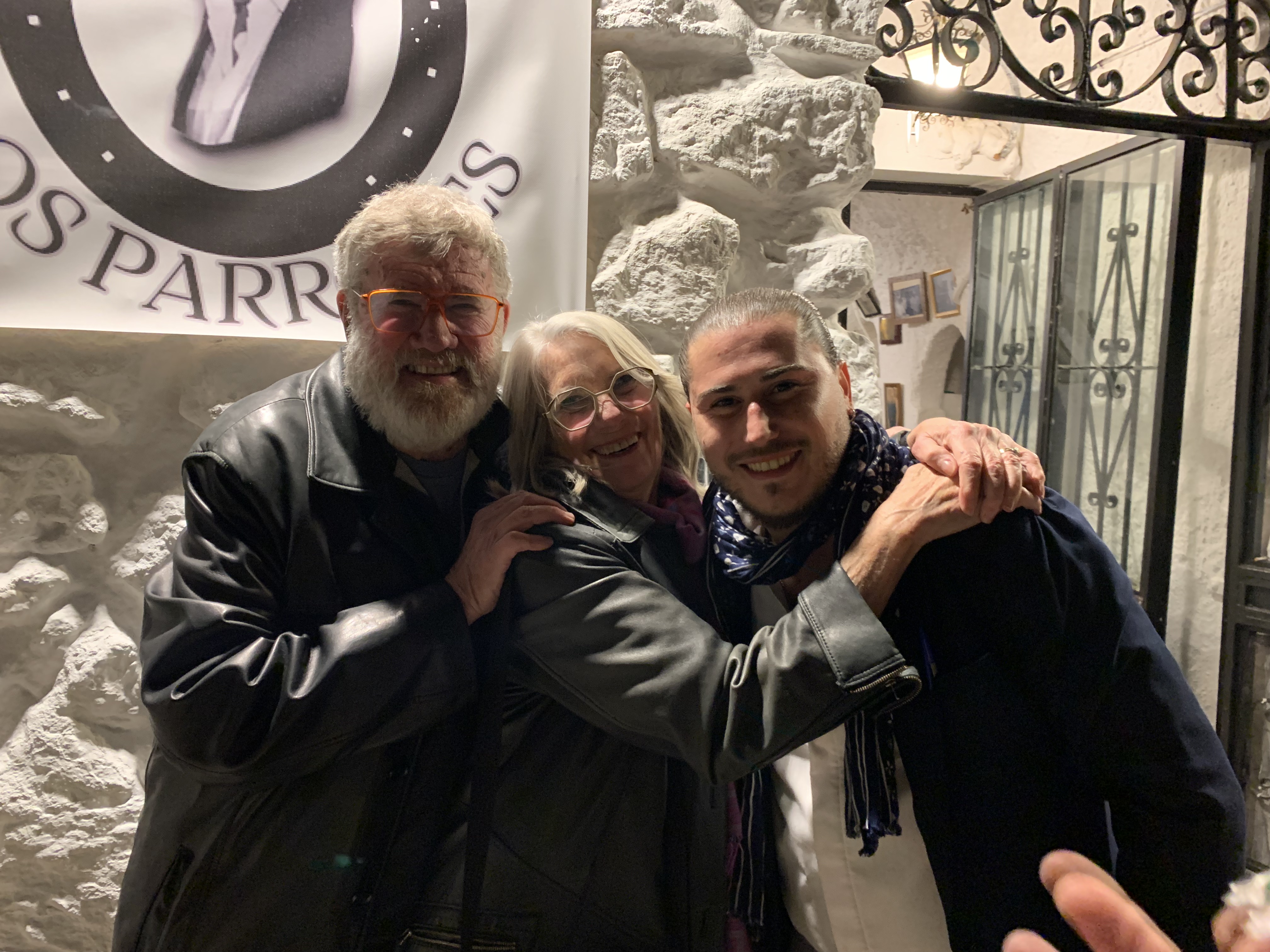
After the show we were taken into a side room and fed salad and soup and more wine. We were the only people eating — it clearly wasn’t something they were usually set up to do but they treated us royally. It turned out that this was only their fourth night of operation and everyone was partying in the other room. We were hugged by the guitar player, by the man who made our amazingly delicious stew, and by the man who had persuaded us to come (who you can see in the photo.) We were made honourary abuelos, grandparents, and I couldn’t be more honoured.
… a very personal record of our travels as we set out to discover Madrid and Andalusia, and to rediscover ourselves …
To be a creative artist of any kind means that you are almost always on output. You are digging deeply and finding ways to create art from what you are seeing and thinking. But frankly, it can be exhausting. Every well runs dry.
What bewilders me is that with social media, people seem to be on output all of the time. How do they do it? Where are the moments of reflection and contemplation that are the necessary base for creativity? How can you find strength and wisdom if you never take the opportunity to listen and watch the world?
The last few years have been artistically intense for me. I’ve had three published books in three years. There are two more on the way, and another in process. Frankly, I needed to take a step back. To breathe deeply and slowly, with no agenda to produce or create anything. And what better way to do that than on the road, where the preoccupations are train schedules and finding a good roadside café?
This blog began in 2011 as a record of our year on the road. That year, and the writing I did then, changed my life. But I don’t write regular blogs –– not every day is a day of adventure or reflection! And of course since 2011, there have been a lot of other ways to record things and tell people in fast and furious posts all about your exciting life. I’ve done my fair share of that. But with this trip, I deliberately held the journey close. I needed to take the time to be “in” the experience, rather than to write or post about it.
However, as the trip wound down and the glamour of sunny days in Spain became crystalline memories, I found that I want to wrap some words around the adventure. I wanted to put some thoughts out there for other travellers who might want to explore these roads. Or for any armchair travellers, who might be interested in the reflections of two aging writers navigating new pathways.
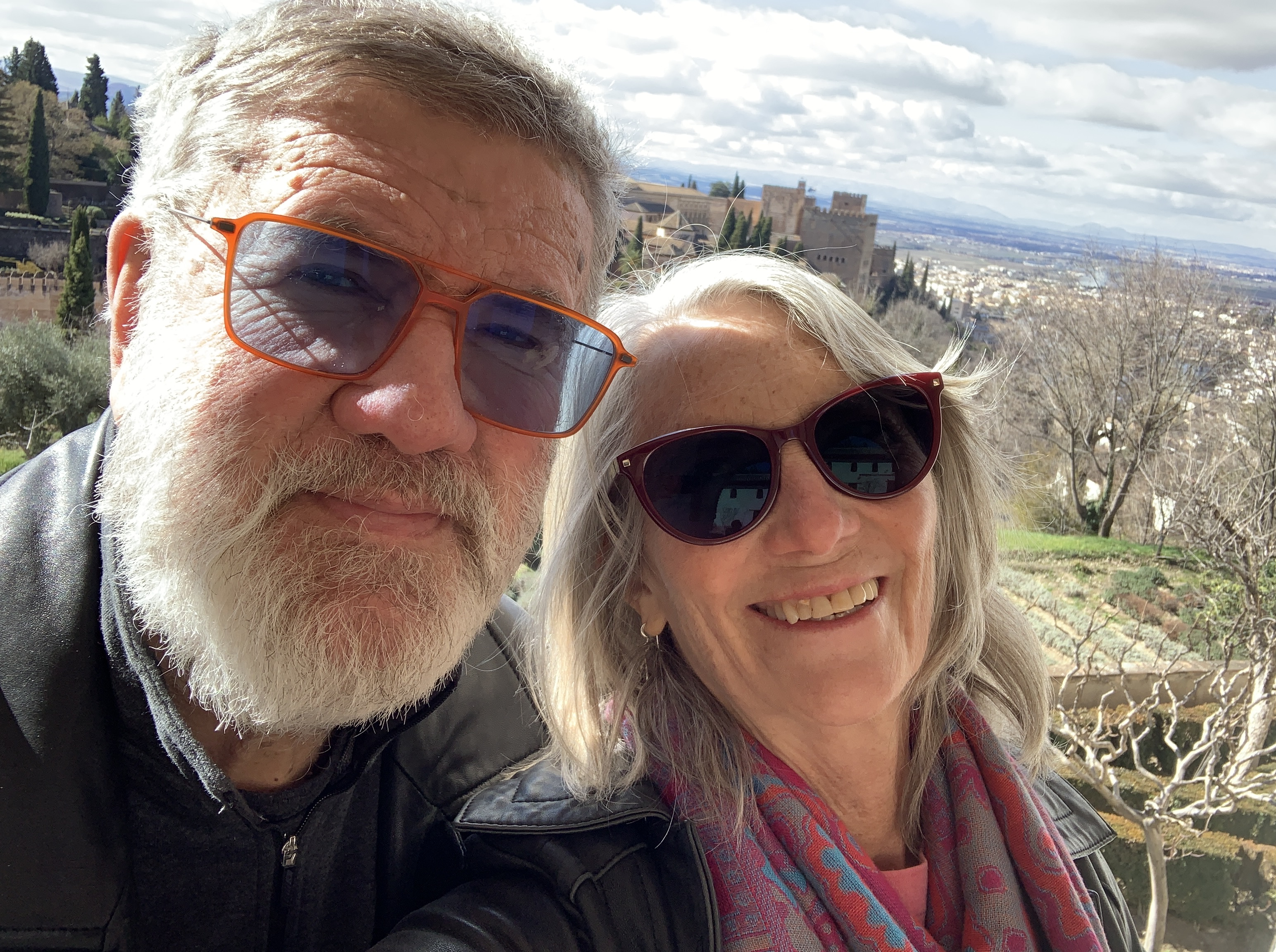
What follows over the next few blog entries is a very personal record of our travels, Tim’s and mine, as we set out to discover Madrid and Andalusia, and to rediscover ourselves. Tim and I off the treadmill and on the road.
When does a “cliché stereotype” become a “pioneering role model”?
When I was growing up in New York City and Toronto, grandmothers were a concept, not a reality. One of my grandmothers was a California socialite with bright red hair, a cigarette smoking vixen who went to jazz clubs, martini lunches, and vied for male attention. The other was a British/Canadian writer and editor, a feminist who lived with Doris Lessing in London, and vied for publisher’s attention. Neither were a part of my life. I didn’t expect them to be.
The picture books of my childhood showed smiling grandmothers in the country, with little personality and never-changing, generous spirits. They were not a cliché to me, because I had never seen one that looked like that. They were an exotic fiction. I remember thinking that it might be nice to have one.
The grandmothers in those books seemed to spring into their role, as though they were always there, grandmothers-in-waiting, without past lives.
I have had a life, and continue to have one that is busy and fulfilling. I’m a writer, and I work in theatre and as a calligraphic artist. I teach and travel and continue to hone my craft. I have never been a grandmother-in-waiting.
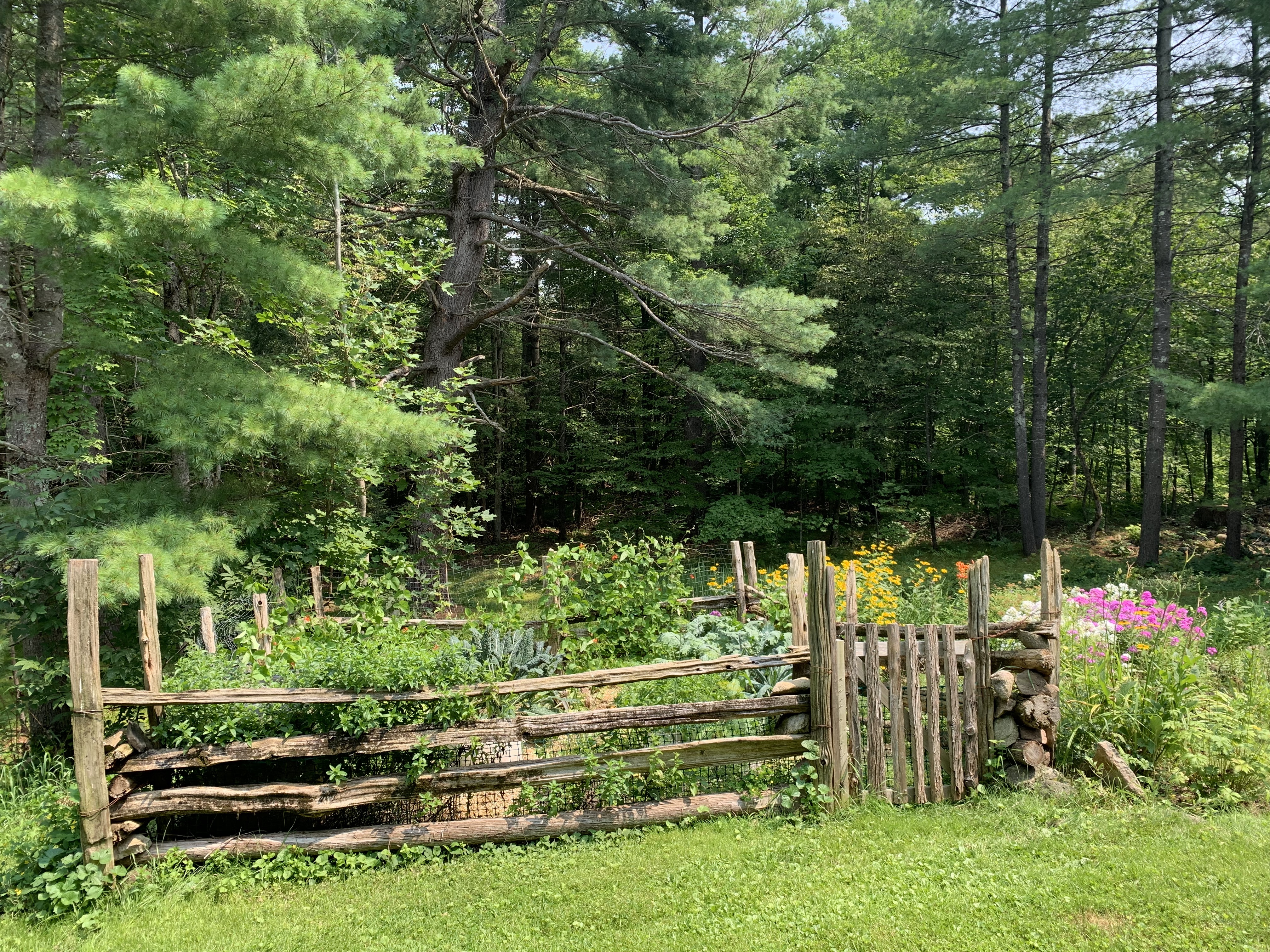
But suddenly, I find myself with grandchildren, and rather surprisingly to me, I am leaning into that world. In fact, I am in severe danger of becoming a storybook cliché. I’m the grandmother in the country offering freshly baked muffins and refreshing homemade watermelon popsicles. The one who has a garden full of cucumbers and beans to pick. Who can sit for hours with you watching birds at the bird feeder. (“That’s a Hummingbird. That one is called a Rose Breasted Grosbeak.”) The grandmother who always has a hip to carry you on and a lap for you to sit in.
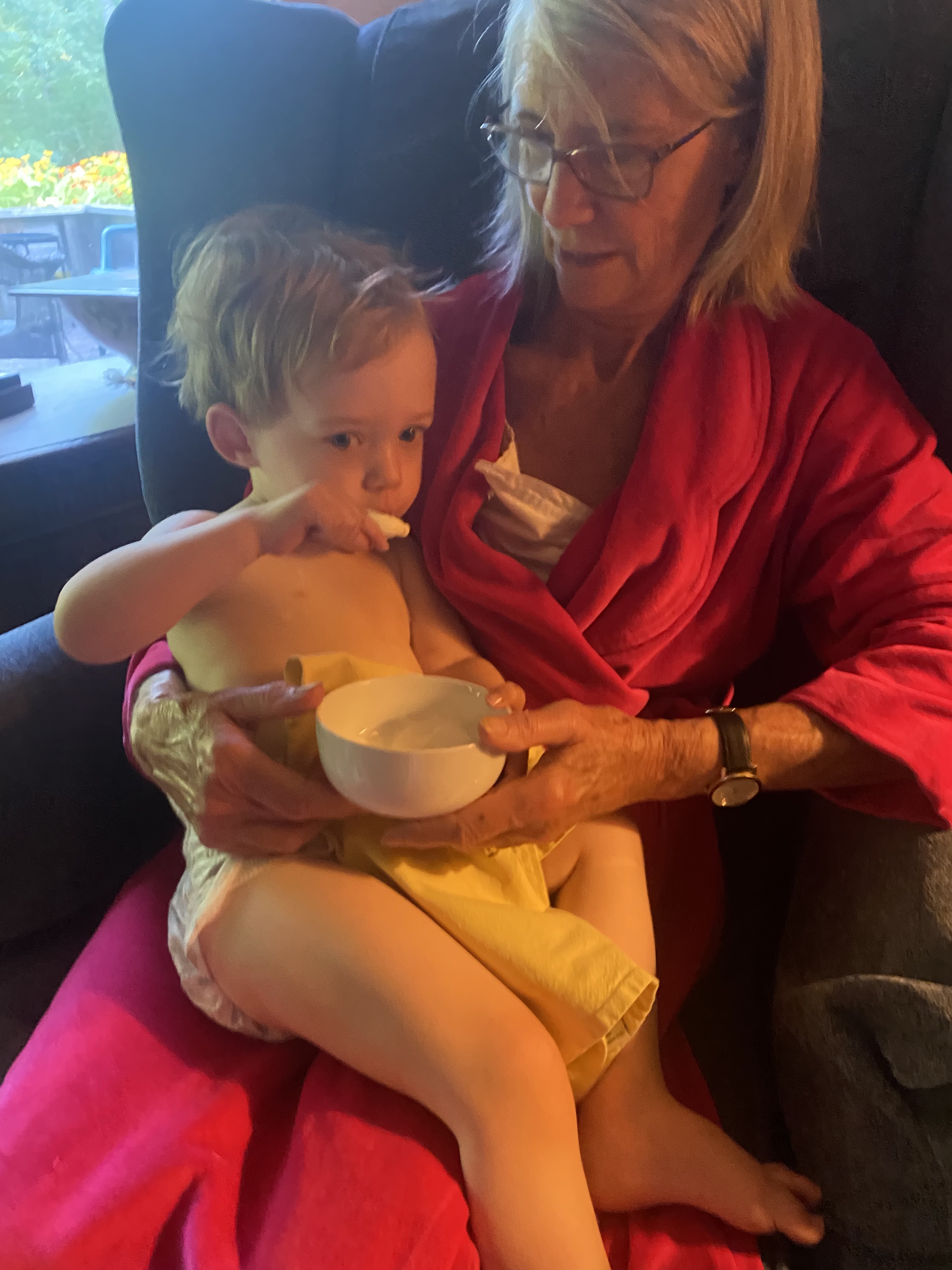
If I wrote a children’s book with me as a grandmother character, it would be rejected. We want our picture books to have interesting grandmothers like the ones I had. Glamorous, career focussed, independent, with multiple husbands and lovers. Unique, inspiring, and, to a certain degree, role models. Not the ones who pull themselves out of bed at 6:00 in the morning, dishevelled in a fuzzy, stained robe, to be there at the start of an early toddler day. Not the ones that sneak you a home baked cookie when no one else is looking, before taking you off to get covered in mud.
I’m discovering that my “inner grandmother” is antithetical to my own experiences of grandmothers. Not right or wrong, only different. Grandmothers can be a diverse lot.
Recently, I was worrying about a problem I am having with my writing. The grandchildren were coming for the weekend, and I was frustrated, knowing I couldn’t solve it before they came, nor, certainly, while they were here. A friend said to me, “They are not going to remember you because of the books you write. They are going to remember you because you are a yummy grandma.”
A yummy grandma. It’s a new concept for me. My grandchildren come to the country to learn the names of flowers and trees, to dig into the soil and plant seeds, to ramble in the woods and discover treasures. They need me to be yummy, not exotic.
Although “In Nana’s Garden” won’t be a picture book I’ll write any time soon, from my perspective it is the opposite of a cliché. It is the most real I can be, for the people who matter most.
In fact, I actively avoided writing poetry. There are SO MANY bad poems in the world. And I had to say, so many people who write bad poetry. And yet, even after writing a novel in verse and a book of poetry about the planets, I would be very hesitant to call myself a poet.
But poetry has always been a huge part of my life. I studied calligraphy when I was young, eventually becoming a full-time calligraphic artist. I spent countless hours lettering beautiful poems. As an actor, my voice training included work with vibrant poems of all genres, spoken, memorized and incorporated into performances.
But compose a poem? Never.
When I did my first residency for my MFA in writing for children and youth (VCFA), we were assigned Steven Fry’s book The Ode Less Travelled. This deliciously funny, wicked, irreverent book on writing and reading poetry forced me to realize that my years of reading, lettering and speaking poetry had left a mark. Words were deep in my cells –– the look of them, the sound of them, the rhythm, skip and beath of them, the feel of them in my mouth, lips and chest.
Words are the building blocks for any writer. But as a writer for young people, I needed to embrace my role as a writer who constructed meaning from little bits of sound. Children learn language through playing with words, and I needed to rediscover a sense of play. I needed to get over myself.
Still, I am more comfortable with boundaries. I need discipline around the edges, not a free for all wallowing in self-centred bliss. As I read more picture books, I discovered the American poet Joyce Sidman. Sidman writes nature books, combining information with the language of poetry. Her book Caldicott winning book Dark Emperor and other Poems of the Night is a masterful combination of sound that explores the world of night creatures. This is fabulous, I thought. I can do that!
I’m a regular listener to the CBC show Quirks and Quarks. Every week, there is something new –– some beetle, some volcano, some newly discovered moon of Jupiter, some surprising discovery that connects us to the universe around us. I began trolling through Quirks and Quarks for interesting subjects, doing further research. I wrote poems about the Wandering Glider, lowly Mites, and the newly discovered Dracoraptor and Therapoda dinosaurs. But it was when I discovered new findings from Pluto that I went crazy.
Poor little Pluto, bouncing between classifications as a Planet and a Dwarf Planet, little Pluto has a red, heart-shaped plateau on it that ebbs and flows as though it was a beating heart! It has skies that are bright blue! Who couldn’t fall in love with that?
But how to actually structure a poem? At that point, I was studying different poetry forms and had just discovered the Pantoum and voila! Alliteration! A Pantoum for Pluto! It was a marriage made in poetry heaven.
But one poem does not a collection make. And one poem does not make a poet.
I started discussing the idea of a book of poems about new discoveries in our solar system with Katie Scott at Kids Can Press. Because of my background in poetry, we came up with the idea of choosing a different poetic form for each planet. The characteristics of each planet would influence the choice of poetic form. Young people would learn about the planets AND learn about poetry. Brilliant, I thought. I get to learn more about poetry while I am learning about the planets! Bring it on!
Had I had ANY idea of how hard this was, I would have run away screaming. I am not a scientist nor am I a poet. What on earth was I thinking?
Eight years later, A Planet is a Poem is coming out from Kids Can Press. I am thrilled, and of course terrified. I’m confident in my facts (if you can’t trust NASA, who can you trust?), but aware that to aspire to good poetry is to aspire to divinity. You can see it, you can love it, but you can never achieve it. Still, it is a book I am proud of because if combines the logic of poetic forms with the wonders of the solar system. The discipline of art is married to the mystery of science.
I would still be hesitant to call myself a poet. I love the process, the puzzle, and the agony of working with words. But poetry is sacred. It is the purest form in which we can convey ideas, and I haven’t yet achieved that effervescence, that translucence that I aspire to. But I am no longer afraid to try. Because I will always love the bounce, thrum, wobble, and slither of language. It’s what we have that connects us to our world.
I’m posting an interview that I recently did for The Canadian Childrens Book Centre.
It’s a busy time! I am thrilled to be launching a new book for young people A Planet is a Poem, which you’ll hear more about in the coming days. In the meantime, happy reading…
You are a writer, calligrapher, and theatre artist, three creative pursuits which are built on the foundation of words. What attracts you to words? How do words inspire, motivate, challenge and/or change you as a writer?
I come from a word-obsessed family. My grandmother was a writer, editor, and bookstore owner. My mother was a book designer. My uncle was a journalist. I married a writer. Perhaps it is not a big surprise that words are the foundational tool in my life!
My mother enrolled me in a calligraphy course when I was a teenager. I went on to do extensive studies of the development of letterforms. For me, calligraphy was a gateway into cultural history and the whole concept of written language. It was also fundamental in giving me a tactile relationship to words. When you calligraph, you work very slowly. You focus on creating shapes and manipulating space on the page. On a good day, it is very meditative. You involve your breath and connect to the movement of your hand on the page. You go down into the bones of a word, and how one letter connects to another. It’s an intimate relationship between gesture and meaning.
This may be why I write first drafts by hand. I love feeling the graphic line and how it dances across a piece of paper. It stimulates a particular part of my brain and opens me up to things that are not available to me through typing on a keyboard. My manuscripts would be illegible to anyone else –– they are filled with the movement of my hand and brain, working together.
However, the challenge for me is not to overwork words in the editing process. How do I keep the sense of freedom and lightness of the word dance on a page, when I want to work on word choice? How do you make something look effortless when it takes a huge amount of effort and skill? But that, I think, is the plight of anyone working in the arts. You must make it feel fresh and new, yet it must be crafted to the best of your ability. That’s where practice and rehearsal become essential. It’s not something you can achieve in a first draft.
Photo courtesy of The Ottawa Children’s Theatre
The theatre world is a place you know well. You served as executive director of Ottawa School of Speech & Drama as well as founded Ottawa Children’s Theatre and served as its artistic director. Your writing and theatre worlds united when you and your husband co-wrote Rosie Backstage. How else has your work as a theatre artist influenced or informed your writing for young people?
I can’t imagine being a writer without being a theatre artist. Words are a metaphor for communication, but not the sine qua non of communication. Movement, gesture, tone, inflection, silence –– we use all of these to communicate thoughts and feelings. In theatre. all of these tools are at your disposal. Theatre gives you the ability to create nuances that are harder to communicate with words alone. It uses movement and sound. It uses timing. It is so much more than a series of dialogue lines. So much more than a set. When you are creating for the stage, you need to think about what happens between the words and to the people as they move in space.
As a writer, I try to explore how to create this complexity on the page. I read everything out loud, many times. I listen for the beats, the pauses. I listen for the movements and gestures. I listen for what the character isn’t saying. I place each character in the scene, being aware of where they are and what they are doing when someone else has the focus of the scene.
I also use a lot of theatre exercises in my writing. For example, there’s a theatre game called “What’s Beyond,” where you work on coming into a space focused on what you have just left. You don’t try to tell a story, you don’t try to do anything. You just cross the space with a history. When I am writing, I think a lot about where my character has been before they come into the space, into the scene. It’s different from a backstory. It’s more immediate. A character must come on with their scene already in motion. They aren’t coming on from a vacuum. What they bring with them is going to affect their behaviour in a myriad of small ways that are never discussed.
Perhaps even more fundamentally, however, is how my vocal training has affected the way I work with words and my word choices. Writing is a stand-in for spoken words, so I need to always go back to the vocal source. Learning about breath, resonance, and articulation has given me a very deep physical relationship to words. There is some brain science that suggests that as we read, our mind and body recreate the physical sensation of making the words we are reading. I want people to not only hear the words on the page, but to feel them and recognize them in their own body.
On a practical level, I have taught theatre to young people for many, many years and continue to work in that field. Working with youth keeps me honest. They engage me in their concerns and in what matters to them. It is far too easy to get ghettoized in your own age group. Working inter-generationally is vital to me.
In These Are Not the Words, Missy and her father write poems for each other – poems that gradually become an exchange of apologies as her father’s alcohol and drug addiction begins to overtake their lives. How can we use poetry to communicate with others and to heal ourselves?
I think that writing can be a way of talking to yourself. Ultimately, you are having a conversation with your mind and your heart. But I think you need to trick yourself into going more deeply.
When you have a conversation with a good friend, you usually stay on a particular level for a long time. But after a while, if you are close and trust your friend, it morphs into something deeper. Those are the special times where you get closer and listen harder and respond more honestly. You have to give yourself time to go through the superficial things before you can get to the heart of the matter. Writing poetry can do this. You write too much and then you cut out all of the fluff. You see what words are essential. That’s when you discover what it is you are really trying to communicate.
I also think that poetry, like theatre or calligraphy, is a kind of game. It’s got some great rules that give us a context for deep exploration. You play with sound and rhythm, and in that playing, you can trick your mind into finding new meanings.
Writing is about asking questions –– of yourself, of your imagined reader. Questions can form the base for a dialogue. It’s the best way to talk to yourself. And when you talk to yourself, you can heal.
*Science and poetry may seem like strange bedfellows but they share commonalities such as formulas and patterns. What was your inspiration to write A Planet is A Poem, a collection of poems about the solar system?
A Planet is a Poem came about through a series of coincidences. When I was doing my MFA in Writing for Children, I started a serious study of poetic forms. I hadn’t done that before. My previous schooling was, at best, pretty spotty. I began working my way through the delightful The Ode Less Travelled by Stephen Fry, and challenging myself to try out as many different forms as I could. As we know, books for younger children rely on sound and word play, so I wanted to drill down and understand things that I had known about but had never tried my hand at. I had avoided writing poetry all of my life. I reasoned that there are so many bad poems out there, the world didn’t need mine as well. But this was a technical challenge I was setting myself, and I wasn’t thinking of publishing anything at that point.
At the same time, I was introduced to the American poet Joyce Sidman. Sidman writes non-fiction poetry books for young people. I love her work and it opened up a whole world for me. My first books had been non-fiction books for young people and truth be told, I am much more comfortable writing non-fiction than I am writing fiction. I became open to the idea that poetry could be a vehicle for young people to learn about nature. I thought that maybe I could write non-fiction poetry and it wouldn’t be as embarrassing as bad personal poetry.
The other influence was the CBC radio program Quirks and Quarks. I love that show and in one particular episode (September 11, 2015), they talked about the New Horizons space probe. It had just started sending images of Pluto back to earth and everyone was talking about these amazing things we were learning. On Pluto, the skies are blue! There are volcanos of slow-moving nitrogen mud! There’s a red, heart-shaped plateau that moves like a heartbeat! Who wouldn’t want to write a poem about that? I wrote A Pantoum for Pluto so that I could explore Pluto but also try that poetic form. Ultimately, we didn’t use that particular poem in the book, but the process was set in motion. Before I knew it, I was deep into researching (always my happy place), and the puzzle of writing non-fiction poetry.
*A Planet is a Poem offers readers multiple access points for interaction.There are its 14 poems which can be enjoyed on their own. Plus, there is accompanying factual information about each poem’s subject matter. And last but not least, there is information on the forms in which the poems are written. How did you decide to present the book in this format? And why was it important to you to create the book this way?
I had quite a few coffee dates with Katie Scott at Kids Can Press, where I tried to pitch her on the idea of non-fiction poetry about planets and/or insects (another area I was obsessing about because of Quirks and Quarks). But they already had a book coming out the next year on space, and one on bugs. The question was what might make mine unique.
I don’t know exactly how the idea of a cross-curricular book came about. I was pretty passionate about poetic forms, and somehow the brainstorming led us to a book that could give the science and the poetry equal weight. Both Katie and my editor Kathleen Keenan got excited about doing a book that could show kids both the magic of language and of the solar system.
Once we had the basic idea, I researched the solar system. I’m not a scientist, but I love astronomy and still remember being in the Hayden Planetarium in New York when I was a child. I researched each planet as though it was a character in a novel. I worked on matching those characteristics with a particular poetic form. For example, Mercury, which is the smallest planet, is incredibly fast. It travels around the sun more quickly than any of the others. So, I paired it with a very fast rhyming and rhythm scheme inspired by Dr. Suess, with only two beats to the bar.
Mercury’s tiny ––
Of planets, the smallest.
But named for a god
Who was known as the fastest.
I researched because I loved it. But as with my experiences in writing historical fiction, it became impossible to squash all of exciting things I was learning into each poem. So, we came up with the idea of sidebars to give more of the scientific information.
The more I worked on the book, the more I got excited about the poetic forms I was using. We came up with the idea of sidebars for the poetry too, just as there were sidebars for the science. It was designer Marie Bartholomew who had the tough job of pulling all of that together with the great illustrations by Oliver Averill.
*What advice would you impart to young people and the young at heart who would like to pursue careers as writers?
Read. Read everything. Listen to words, make them your friends and play with them. Sing them! Foster your sense of curiosity. Let your curiosity take you to new places. Always, always challenge yourself to try new things. Care passionately and let your writing follow your passion. Make it matter.
“…if you want to read some of the best new books being published today, you should look at the YA shelves…”
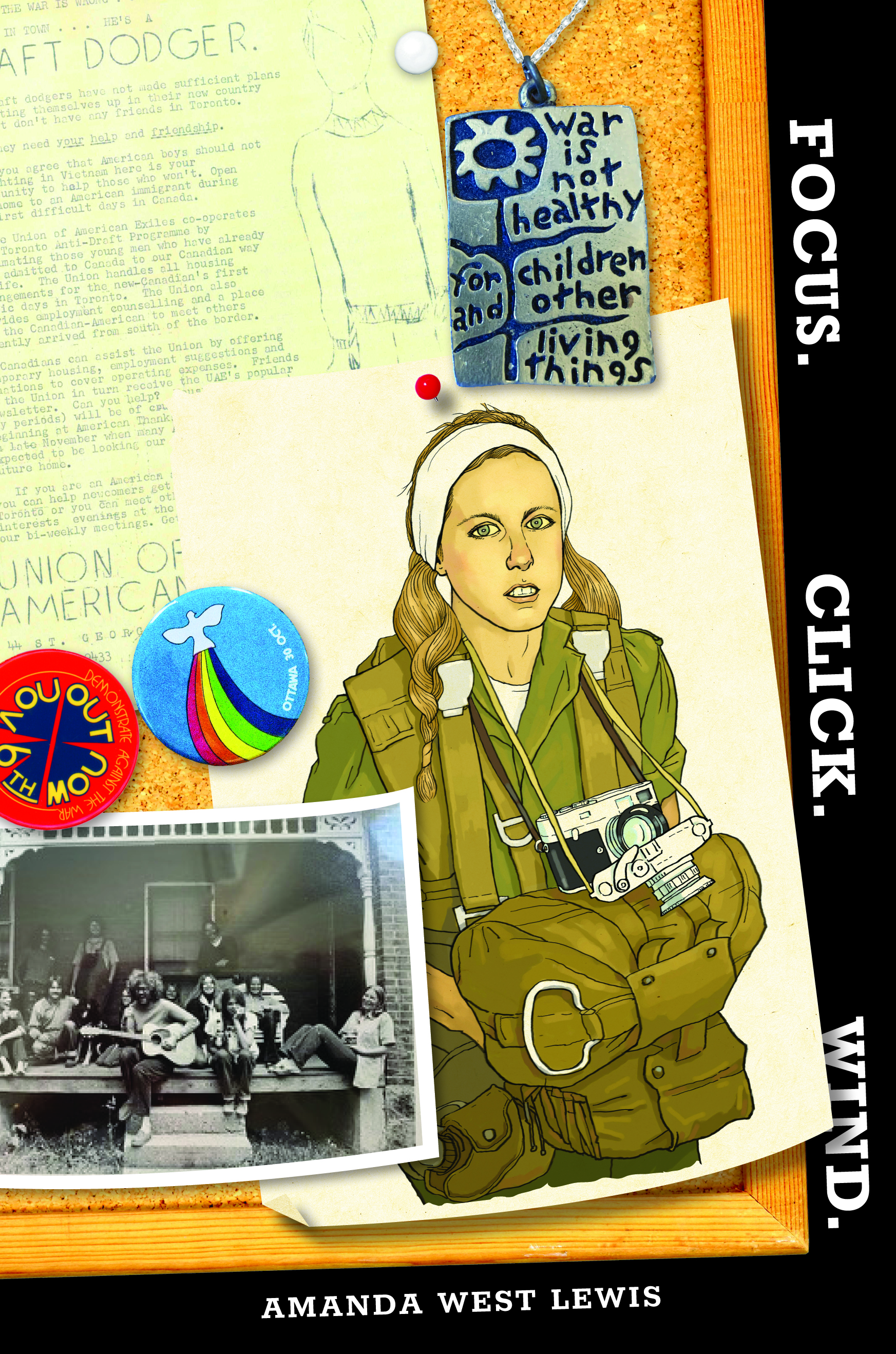
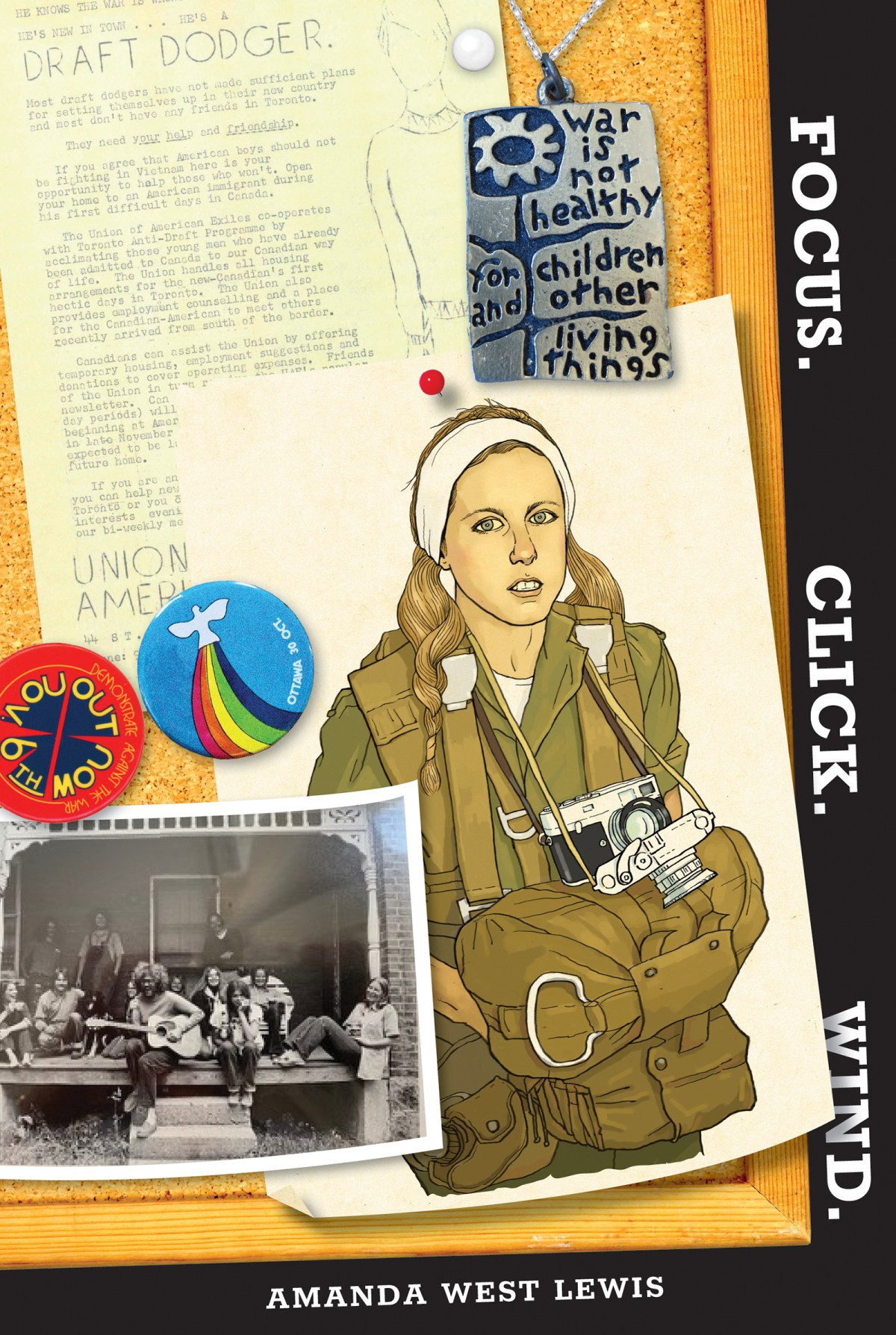
My ninth book, Focus. Click. Wind, was released this fall and I’ve been on a book tour doing events and readings at bookstores, festivals and conferences. It’s been an exciting whirlwind and has given me a great opportunity to talk to people about the book and its themes.
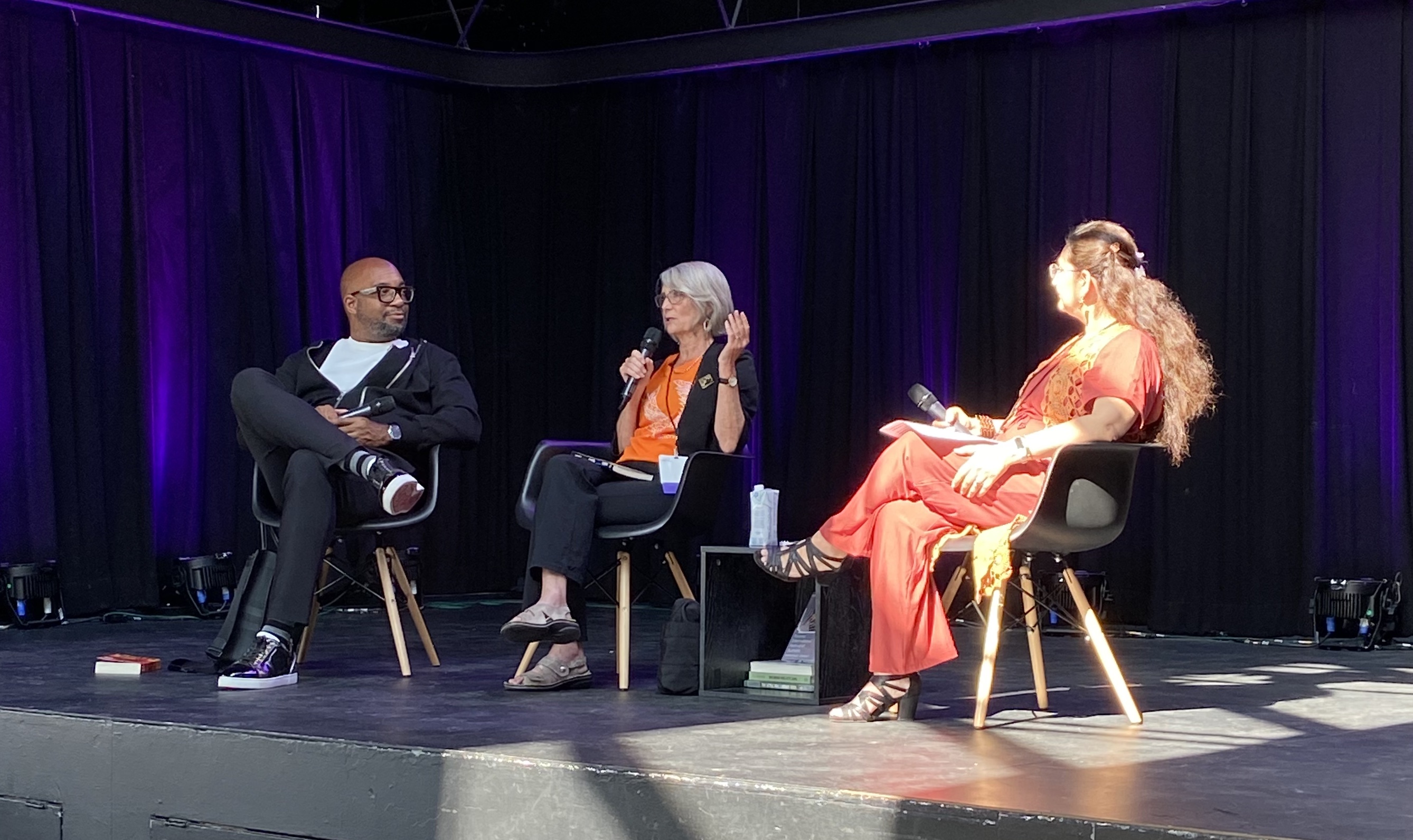
Toronto International Festival of Authors with Kwame Alexander and moderator Arpita Ghosal
Along the way, several people have said to me, “I LOVED the book! But why is it sold as a Y.A. book? What makes it a Y.A.?”
It’s a good question. As adults, we read books with all kinds of protagonists of all ages. We’re comfortable reading about the world from the perspective of a child, a teenager, a young adult, an aged adult –– sometimes all in the same book. We can read a story written from the perspective of a tiger or a leaf. So why does this question come up when a book is marketed as a book for young adults? Do we think that a teenager can’t see the world from other perspectives? Or does it imply “If I loved this book, how can it speak to a teenager? How can a teenager relate to the world as I see it?”
I think there is an inherent cultural bias toward youth. People say to me, “Is a young person ready for these big issues?” And yet if you think back on your time as a teenager, isn’t that exactly what you were ready for? Leaving aside the sex and drugs –– although, what teenager leaves that aside, really? –– I wrote a book that reaches out to the concerns of vibrant, passionate, committed young people that exist today. While the book is set in 1968, I am paralleling today’s activist movements. Fridays for Future, Extinction Rebellion, Black Lives Matter, Every Child Matters, The Occupy Movement –– the reasons that young people are out on protests today come from the same place as the protests of the 1960s. I think young people see injustice more clearly than adults. People over 30 obfuscate problems with complexity. They see many sides of a coin, and how hard it is to solve things. There was something to Abbie Hoffman’s “Don’t trust anyone over 30.”
But from the ages of 15 – 25, you are hugely impatient and angry with adults for the mess they have made with the world. You are furious with adults’ inability to understand the important things in life. You want to change the world and make it a better place. And maybe the adults need to get out of the way for you to do that.
Although Focus. Click. Wind is set it 1968, I would hope a contemporary teenager will recognize the questions Billie asks and her urgency to fix the world. I also believe that if I’ve done my job well, anyone who has ever been a teenager will recognize themselves or their friends in the story. I hope it will stir up memories of the passions you had as a young person, and speak to your teenage self from the perspective of the adult you have become. At the same time, I want it to resonate with a teenager today, whose whole adult life is ahead of them. The story then becomes a chance for us all to be in an urgent dialogue together.
Beatrix Potter said, “I don’t ‘lower my standards’ to write for young people.” Young people are the most discerning readers of all. Literature that is marketed for them needs to be dynamic, exciting, challenging, and accurate. The standards are incredibly high. The research and attention to detail has to be impeccable.
Frankly, if you want to read some of the best new books being published today, you should look at the YA shelves. There are increasing numbers of adult book clubs that are dedicated to YA fiction. Books like The Door of No Return, by Kwame Alexander, Torch, by Lyn Miller-Lachmann, and Out of Darkness, by Ashley Hope Pérez, are some of the best books you will read, bar none. YA books are edgy, provocative and complex. They tell strong, character-driven stories.
But none of this deals with the marketing issue. That I can’t solve. Marketing exists in silos. It takes a brave and financially daring publisher to market to two audiences. When The Curious Incident of the Dog in the Night came out in the UK, it was successfully marketed to both young people and adults. But that is rare. It’s nothing that a small Canadian press has the resources to tackle.
And so, I come back to the decisions I made with Focus. Click. Wind., a book that has a 17-year-old protagonist, a book that I wrote for both young people and adults. I chose my small Canadian publisher, Groundwood Books, because they are recognized internationally for their quality. I chose them knowing that I would have a chance to work with one of the best editors in the country. But I knew I wouldn’t have a large marketing team that could market to both markets.
It is my hope that in channelling my inner 17-year-old, Focus. Click. Wind will speak to young and older adults. Having been on a tour to read to people of my generation and two generations younger than mine, I’m feeling that I am stretching across time with this book. I hope that you can join me for the ride, and then recognize yourself in the adolescents you see around you.
‘Focus. Click. Wind.’ rose out of the earlier book like an unsuspecting phoenix and Miranda Billie Taylor became as real to me as the memories of my own life.
Today is the official launch of Focus. Click. Wind ! As I mark the occasion, I’ve been thinking a lot about the book’s genesis. In some ways, this book has been in the making for fifty years. But practically speaking, there are some seeds of the book that started about fifteen years ago.
At that time, I had a job in a city that required me to live away from home for most of the week. I loved the job, but my husband Tim and I missed each other. I’m not sure how the idea of writing letters came about –– not writing letters to each other, but writing “in role” as characters. At the time, we were both interested in exploring issues to do with the immigration of American draft dodgers to Canada during the war in Vietnam. My mother had been very active in the “Underground Railroad” in Toronto, and our house was a haven for drafters and people in need. I think Tim has always been fascinated with this aspect of my life. We decided that his character, Paul, would be living at my mother’s house, having fled to Canada from the States while my character, Jill, was left behind. I’d spent a fair amount of time in California when I was a teenager and had cousins who were ready to flee to our house in Toronto if they were drafted. So, I decided that I wanted to give Jill California as a home base.
All through that winter, Tim wrote to me as Paul, in Toronto, and I responded as Jill in Santa Cruz. We didn’t pre-plan anything. It was a writing exercise. We were playing to see where it would lead us.
Which was basically nowhere. The letter writing fizzled out.
Ten years and several books later, I was preparing to go to a writing workshop. I had just finished a full draft of a semi-autobiographical middle grade, a book that became my novel These Are Not the Words. I had no idea what I would work on next. All I needed for the workshop was two scenes, but the days were getting closer and I had nothing. I was close to panic when suddenly, unbidden, Paul and Jill burbled up into my consciousness. It was time to bring them together.
I figured since I was bringing these two characters together for the first time in their fictional lives, the first scene should be a sex scene. Then, since their relationship was built on the war, the second scene would be at a protest. The protests at Columbia University in 1968 were considered the epicenter of the movement that year. Two scenes, two rough characters. In bed. At a protest. In New York. Phew! I could head to the workshop.
But These Are Not the Words was still in my head. In that book, the central character, Miranda Billie Taylor, aka Missy, lives in New York City. She is steeped in art and trails her father to jazz clubs and bars. It is set in 1963 and she is twelve years old. Missy had some rather difficult things to deal with and it was a relief to be in a workshop playing with Jill in 1968. After all, she, too, was in New York and surrounded by music, although this time it was rock and roll. I knew that she’d be about seventeen years old in 1968. I suspected I might take her to Toronto at some point. Jill became more and more real to me as the workshop progressed, and I began to seriously think about her role in a new book.
When was it that I did the math? Certainly, it was long after I’d left the workshop. Missy was twelve in 1963. Jill was seventeen in 1968. Both were in New York. Both were struggling with their relationships to men (father/boyfriend). Both were a product of their time (jazz vs rock and roll, Mad Men vs hippies.) How long did it take me to realize that Jill was Missy? Or rather, she was Miranda Billie Taylor, now known as Billie.
These Are Not the Words became, essentially, a hugely detailed backstory. A prequel. This realization was a gift to me as a writer. Focus. Click. Wind rose out of the earlier book like an unsuspecting phoenix and Miranda Billie Taylor became as real to me as the memories of my own life.
People ask me if I’ll write another book with her as the protagonist. I find it hard to imagine. She’s been through so much and worked hard to come out the other side. I don’t want to make life hard for her again. But there’s a lot of living that still happens after you turn eighteen. It’s never clear sailing, and although Billie knows where she is now, she might still have some adventures ahead.
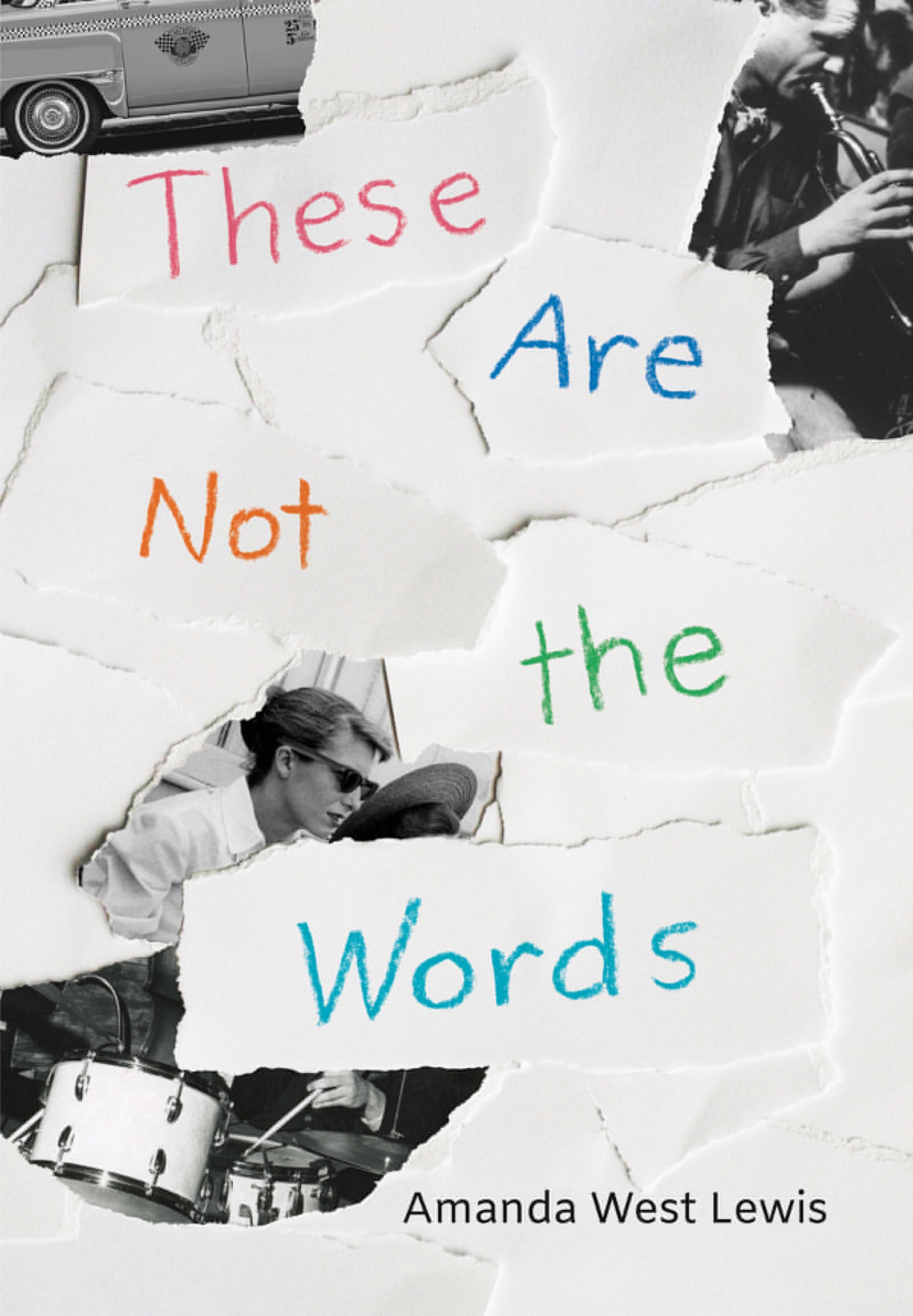
My new novel These Are Not the Words was officially released in North America on April 5, 2022.
Me with Scatty in our apartment in Stuyvesant Town, circa 1960. Self portrait taken with a timer.
These Are Not the Words is a semi-autobiographical novel.That means there are real people in it who do imaginary things, and imaginary people who do real things. I am not Miranda Billie Taylor, but we share a lot of history.
I started writing the story from a memory. I was taking the Picture Book Intensive at the Vermont College of Fine Arts, Writing for Children and Young Adults program, and we had been given the prompt to write from an early childhood memory.
What came out was a memory of walking through the living room late at night to get a glass of water. The dark stillness, the flicker of the TV light, the sound of the record, the smell of cigarettes and marijuana are vivid. I was probably about four years old.
Nothing “happens” in that memory, but the assignment was to turn it into a picture book.
Because it was a picture book, the language was spare, evocative, and poetic. It didn’t work as a picture book, but it inspired me to begin writing vignettes, initially as prose poems and then as verse. As I began to drill down, more memories began to bubble up. I found myself writing a novel in verse.
Although I was writing from personal memories, I wrote in third person. I made the character older, and distanced her from me so I could tell, I thought, a larger, more interesting story.
It took a couple of years and many re-writes, but finally I started sending the book out on submission. The reactions were positive –– editors and agents told me that they thought it was beautifully written. (“Heartbreaking and lovely.”) But it wasn’t for their list, it was historical fiction and hard to sell, the character seemed too sophisticated. But one response really stuck out. An editor I respect they said that it felt as though the story was told from the perspective of an adult, not the child. It was verging on nostalgic. Clearly, I wasn’t “in” the story.
Out of frustration, I decided to try to write one chapter in first person. I’m not a big fan of first person and feel it is easily overused. But I chose the first chapter, the one that had started the process, just as a writing exercise. I was totally unconvinced that it would be possible. “I hate writing in first person,” I said to myself.
I remember starting to shake as I re-wrote that first chapter. Suddenly it was real, vibrant and alive. And suddenly it was a bit close for comfort.
I’ll confess to a lot of tears in the months that followed. But being a writer is not about being comfortable.
I created a book trailer forThese Are Not the Words. I used some photos that my father took and a recording of Billie Holiday singing Tell Me More, recording it from a vinyl LP that belonged to my parents. I recorded myself reading a chapter of the book and then worked with a technician friend, AL Connors, to bring it all together.
Putting the trailer together was hard. The photos pull me back to those years. The living room is the one where that first memory came from, where I hear Billie, always. It’s the image and the sound that started me writing the book.
I am not Miranda Billie Taylor. But we share a lot of history.







 Stepping off the Treadmill