…the end of this year’s summer cycle opens the way for other kinds of adventures…
The season is shifting. I swear there’s an olfactory closet in my brain that holds onto the smell of sharpened pencils. There’s a door that opens as the days grow shorter and the nights have a tinge of crisp apple in the air.
Everyone I have spoken to can’t believe how quickly this summer has gone. Is it the news cycle? Is it the weather patterns? Or is it, as I’d like to think, a renewed embracing of all of the good things in our lives: the long, storied evenings with friends and families; crickets and barred owls keeping you company during late night barbecues; the splashing, diving and cannonballing off docks with squealing children; the fresh, local produce (oh, the heavenly smell of Ontario peaches!); rainstorms that send you racing to the nearest couch with a juicy summer read; clear nights when the moon reflects over still waters; work emails that are ignored for days, because you know everyone else is out of the office and really, what is the point?
Mid August. Ten p.m. on a northern lake.
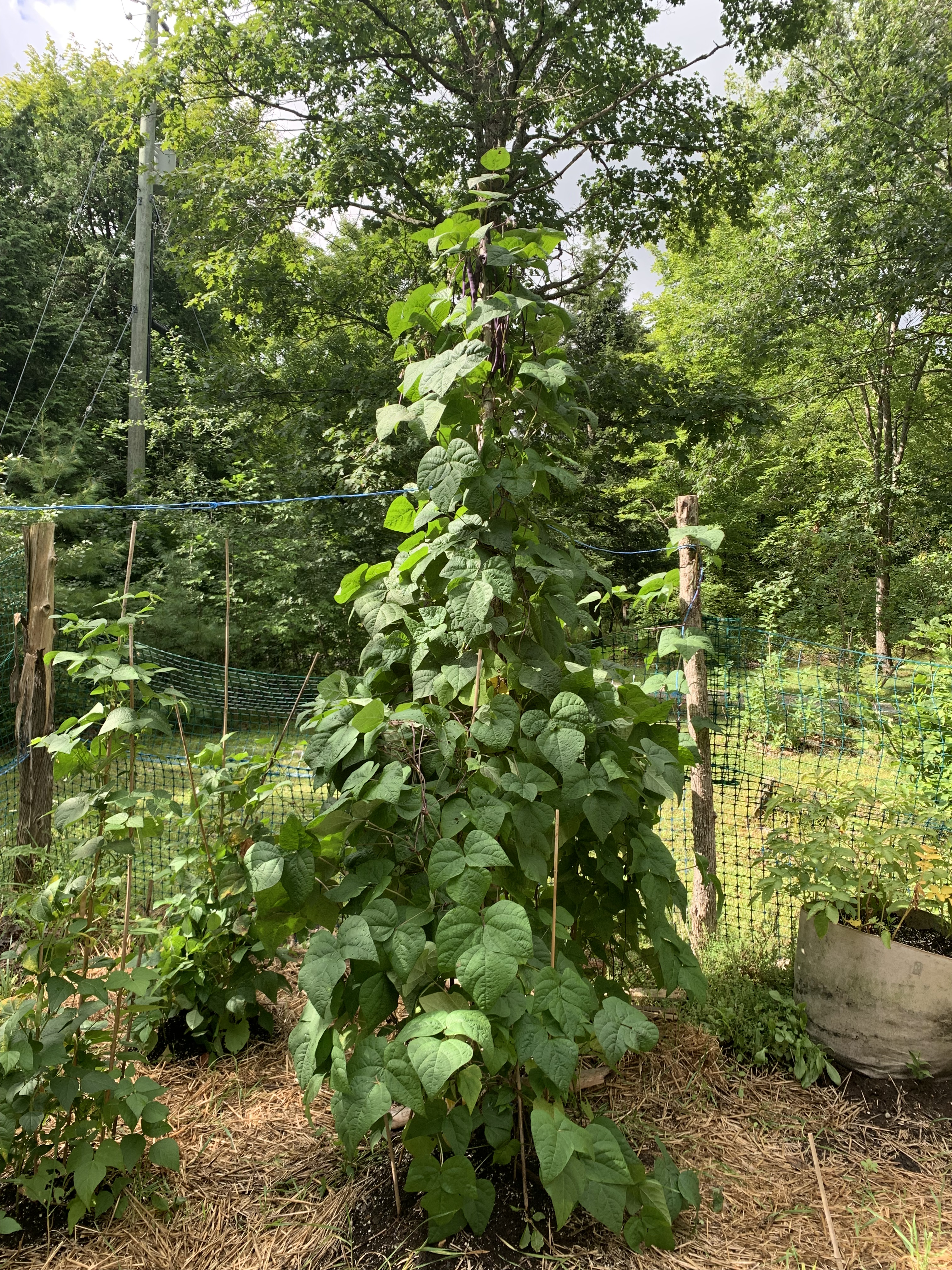
As with every year at this time, I look around my garden and see endless unfinished projects. My springtime optimism has been swallowed by the reality of cucumbers that didn’t grow, tomatoes that blighted early, kale gobbled by caterpillars. But then there was the garden magic –– purple beans that climbed eight feet to the sky. I swear they would have kept going up to the giant’s castle! Defeat and celebration go hand in hand in a garden.
My purple bean tree took off. Much too tall for me to reach the beans at the top.
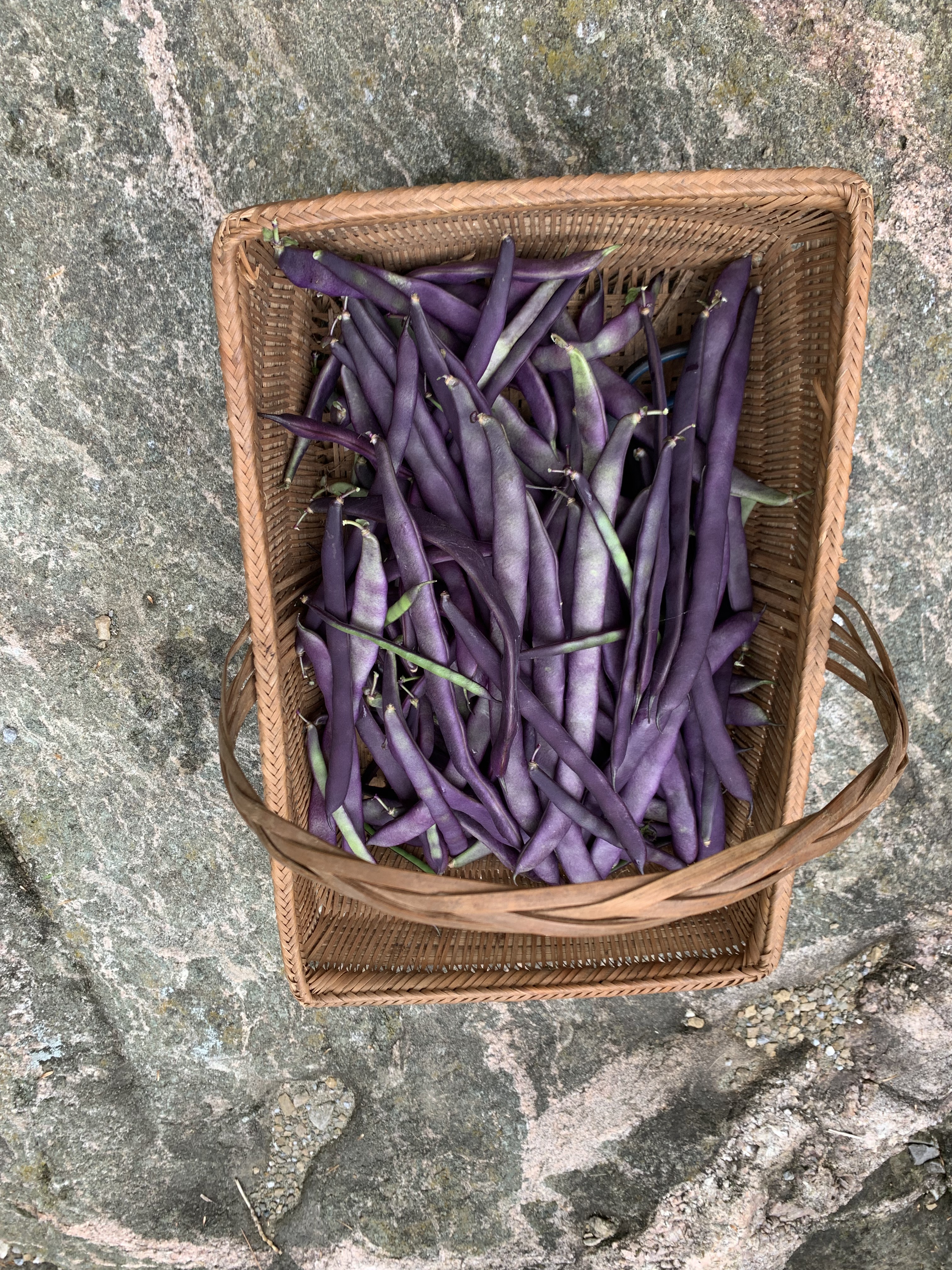
A bountiful crop of purple beans, if nothing else.
But the end of this year’s summer cycle opens the way for other kinds of adventures. I can’t help but be excited as the earth’s orbit takes us into fall. My brain suddenly picks up speed and starts to race. Shiny new ideas jostle for attention alongside projects left percolating. Has it really been three months since I opened that file?
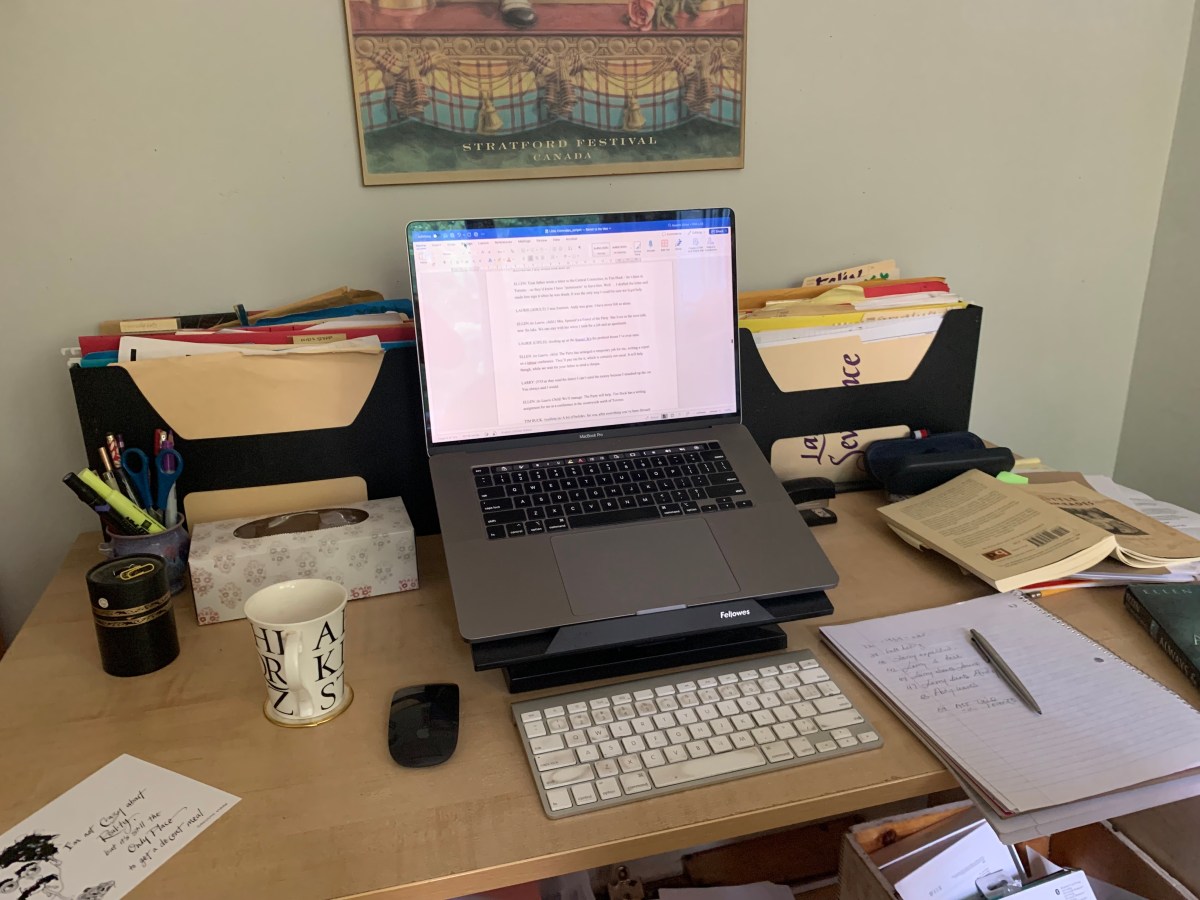
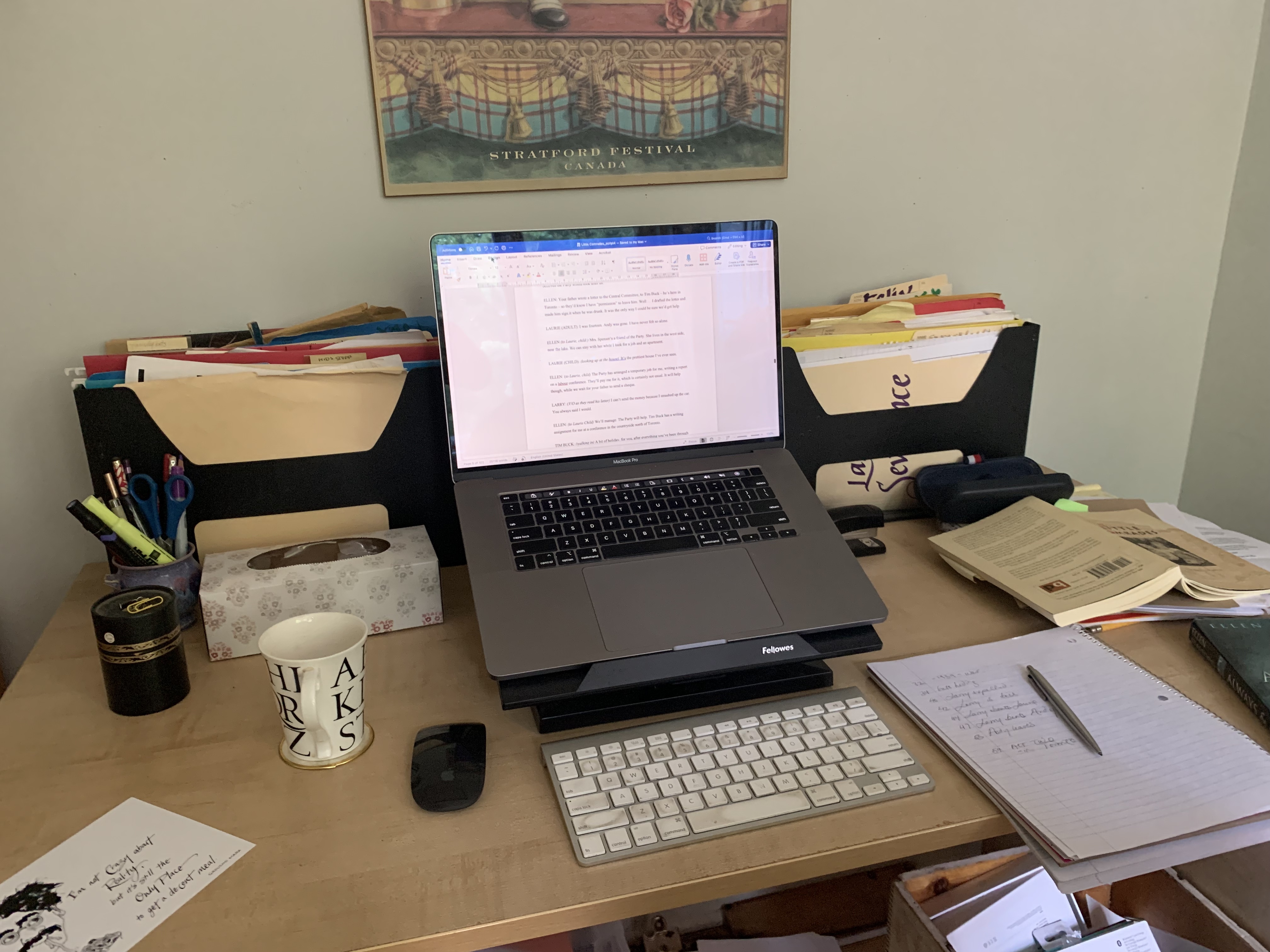
My desktop on Labour Day. A day to get back to work.
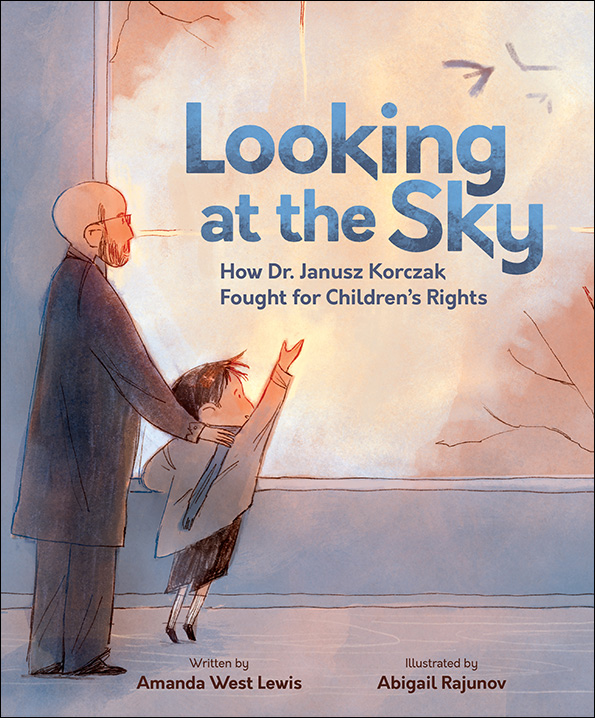
Somewhere in all of the riotous joy of this past summer I launched a new book, Looking at the Sky: How Janusz Korczak Fought for Children’s Rights. I loved the readings and speaking events that I did. But being summer, many people were away and I didn’t devote as much time to the book as I normally would. It felt more like a dress rehearsal than an opening night.
That’s another reason why fall feels redolent with opportunity. It can be a re-set, a re-engagement, a re-launch.
So, I’m excited to dive into a fall when I can dedicate focussed time on Looking at the Sky, as well as new projects. It’s a book that I love more with each reading. A book that tells a story of hope and respect.
The world needs the words of Janusz Korczak now, more than ever. I look forward to sharing his story with you online and in-person.
Looking at the Sky: How Dr. Janusz Korczak Fought for Children’s Rights, written by Amanda West Lewis, illustrated by Abigail Rajunov, Published by Kids Can Press
Today is the book birthday for my new book “Looking at the Sky: How Dr. Janusz Korczak Fought for Children’s Rights.” So to celebrate, I thought I would give you an extended, inside peek at how the book came about.
I work in a number of different genres and media –– theatre, calligraphic book arts, literary arts. My books for young people are in various genres –– craft books, non-fiction books, picture books, poetry, middle grade, and YA fiction. For me, the challenge isn’t necessarily what to create, but which container is best for this idea?
By exploring ideas from many perspectives, I’ve found new things and come to a richer understanding of what I was trying to say.
Every creative project is different, of course, just as the ultimate audience for each piece will be different. In fact, I’ve worked on the ideas in Looking at the Sky in different forms for over twenty years.
I first heard the story of Dr. Janusz Korczak in 2005 from the landlord for the theatre school I was running (The Ottawa School of Speech & Drama). Leon Gluzman, had been a resident at Korczak’s orphanage in Warsaw and when I met him over eighty years later, he was still emotional when he talked about “Pan Doctor” –– Janusz Korczak.
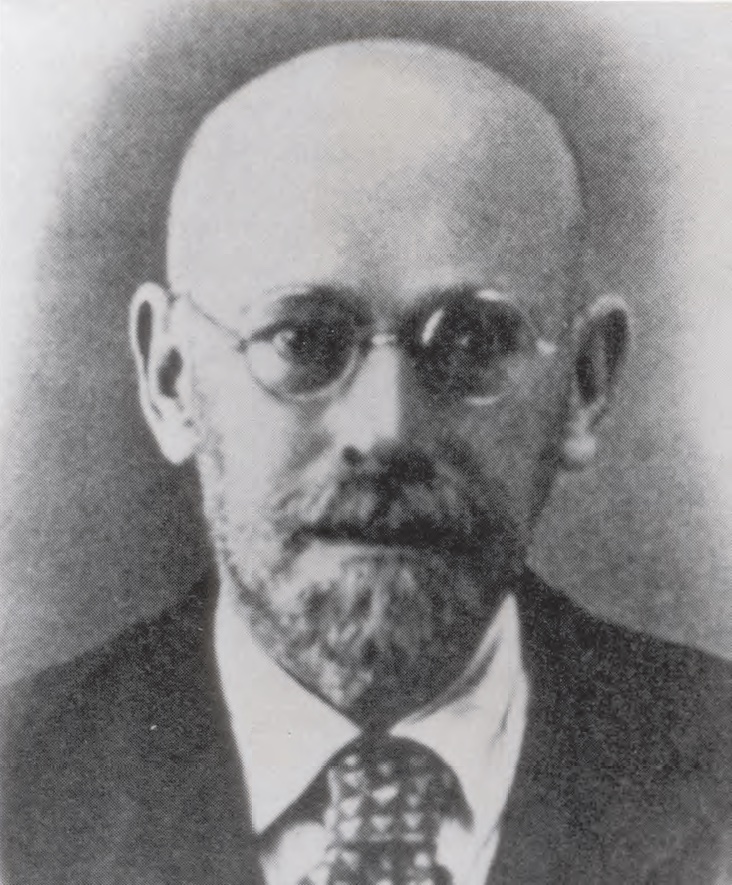
Janusz Korczak. Born Henryk Goldszmit. 1878-1942
Korczak was a Polish pediatrician, children’s right’s advocate, director of orphanages, and children’s book author. He founded the first national newspaper edited and written by children, hosted a regular national radio show for children and adults, travelled internationally to speak on how to educate and raise children with respect. In his day he was world-famous. That didn’t prevent his murder in the Holocaust. He died in 1942 along with 200 children and teachers from his orphanage.
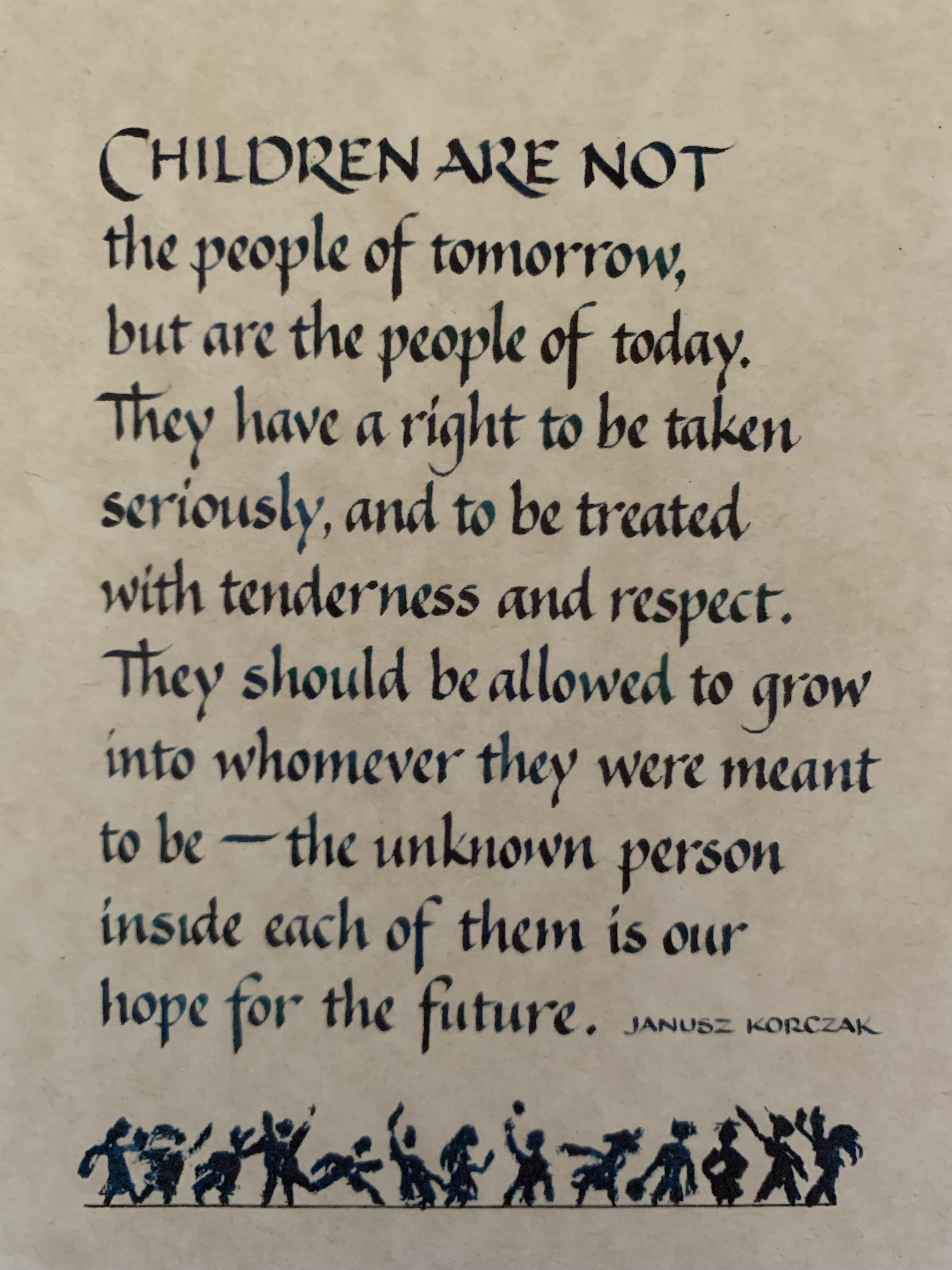
Calligraphy by Amanda Lewis. Artwork by Tim Wynne-Jones
Korczak’s important legacy was to change the way that people thought about children. He is revered for his commitment to young people. His writings became the foundation for the UN Convention on the Rights of the Child. But his work and life are not well known. After learning about him, I wanted to change that.
In 2006, I decided to work with a group of young people at the theatre school to workshop a play about Korczak. The students interviewed Leon and researched Korczak. They dove deeply into war-torn Poland and, inevitably, into the Holocaust. That two-year workshop process was a moving and personal experience for all of us.
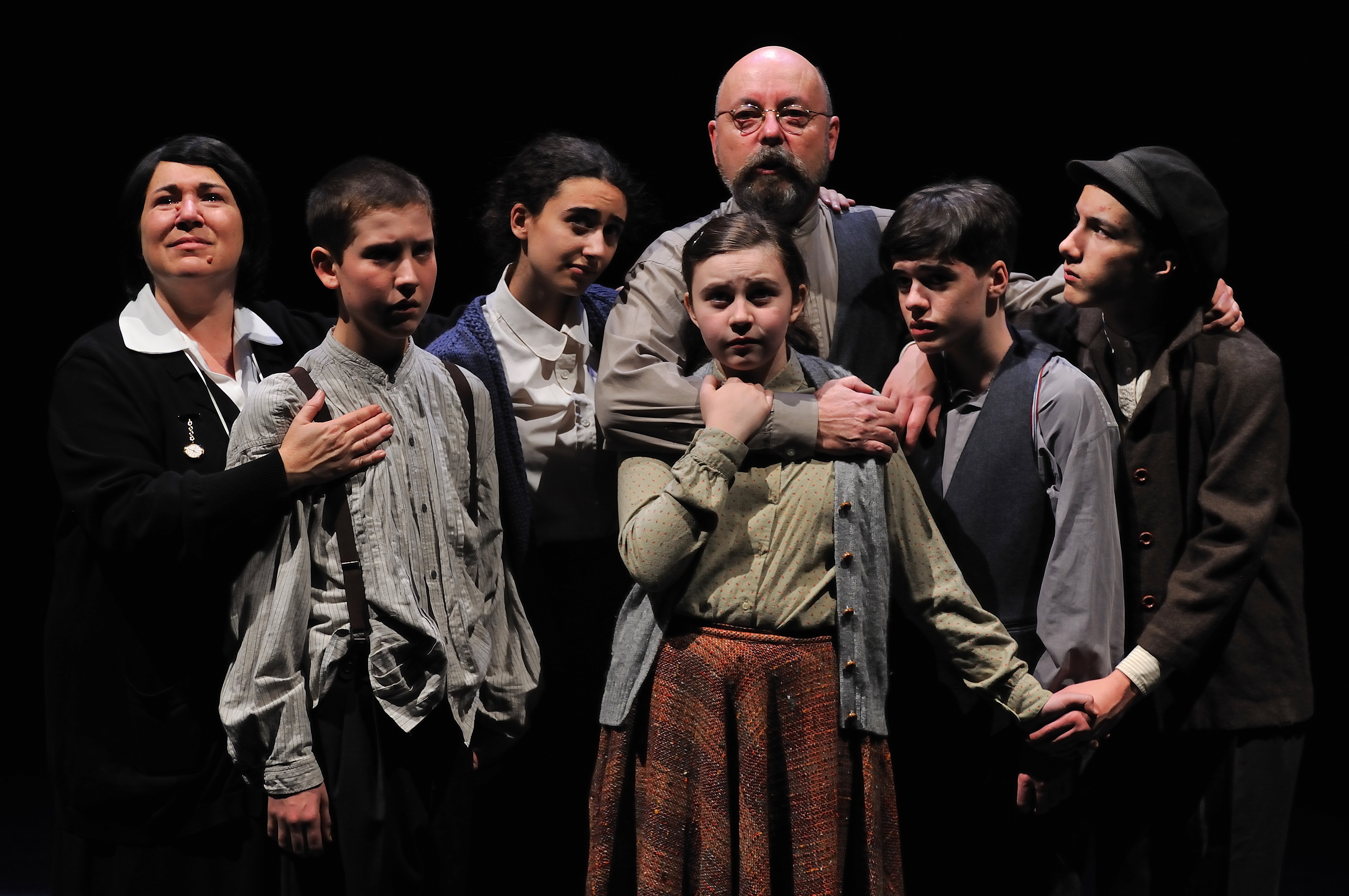
In 2009, we decided to take it to the next level and commissioned playwright Hannah Moscovitch to write a play that worked with child actors as well as adults to tell the story. I co-producedThe Children’s Republic with the Great Canadian Theatre Company (G.C.T.C) in Ottawa.
from The Children’s Republic, by Hannah Moscovitch, GCTC 2009
It was wonderful to bring Korczak’s story to life on the stage. However, as the years passed after that production, I felt that I wasn’t “done” with the story. The play, while suitable for young audiences, spoke from an adult perspective. I wanted to show young people Korczak’s ideas, to shine a light on his relationship to the children in his care, to show what it was like to live in the orphanage, and to see how that experience affected their lives.
But whose perspective should I write it from? Korczak’s or a child’s? What kind of “container” did it need?
In 2015, I went back to university to do an MFA in writing for children and young adults. The “Korczak” story was something I kept coming back to. I tried writing a middle grade biography, but it was flat and heavy. (My mentor at the time said, “I have to get you out of the Second World War!”) Then in 2017, I was studying picture book biographies and started trying to write his story as a picture book manuscript. At that point I knew I needed to tell the story from the perspective of a child. But I was having a hard time finding a way for the manuscript to be engaging.
I continued to research and explore different aspects of his life, but trying to contain everything into an 800-word picture book was a challenge to say the least! However, in 2021, I had a manuscript that I thought might work. I submitted it to my editor at Kids Can Press with whom I was working on A Planet is a Poem.
Her response was what my inner voice had been telling me, but I had been studiously ignoring. “There’s too much material here for a picture book.” But her next sentence took me totally by surprise. “Have you ever thought of writing a graphic novel?”
Truth be told, I never had. I had hardly read any graphic novels! But I leapt in and started researching how on earth to write one.
It turns out writing a graphic novel is like storyboarding a film script. Not that I’ve written a lot of film scripts. But I’ve written a lot for theatre, worked onstage as an actor, off-stage as a director, producer, and stage manager. Suddenly I was combining all of these skills but in a whole new container. I knew the story I wanted to tell. I knew the characters and the arc of the material. It didn’t take long for me to envision scenes and create “camera angles”. Close-ups, distance shots all came naturally as the “movie” began to play out in my mind. I discovered how to create tension in pacing by working with the size and frequency of the panels.
And best of all, I had more room than I would have had in a picture book. I could show more details from Korczak’s life and philosophy and give a better sense of the times in which he lived. In particular, I could find a way to contextualize the Holocaust for a young reader.
Not all publishers would go out on a limb and develop a graphic novel with a writer. Most graphic novels are written and illustrated by one person. But Kids Can decided that the story was important enough to take a chance on. They contracted the wonderfully sensitive Abigail Ranjov to take on the challenge of illustrating this complex story.
From theatre workshop to scripted play, from middle grade biography to picture book biography to graphic novel –– what I learned was that there are many different containers for stories and each container changes the nature of the story. As a writer, I, too, was changed. This process stretched me and helped me to discover what I really wanted to say and why it was important to say it. Writing the story as a graphic novel has allowed me to finally tell the story I needed to tell.
To be recognized for science writing is humbling –– especially as I am not a scientist.
I’m pinching myself.
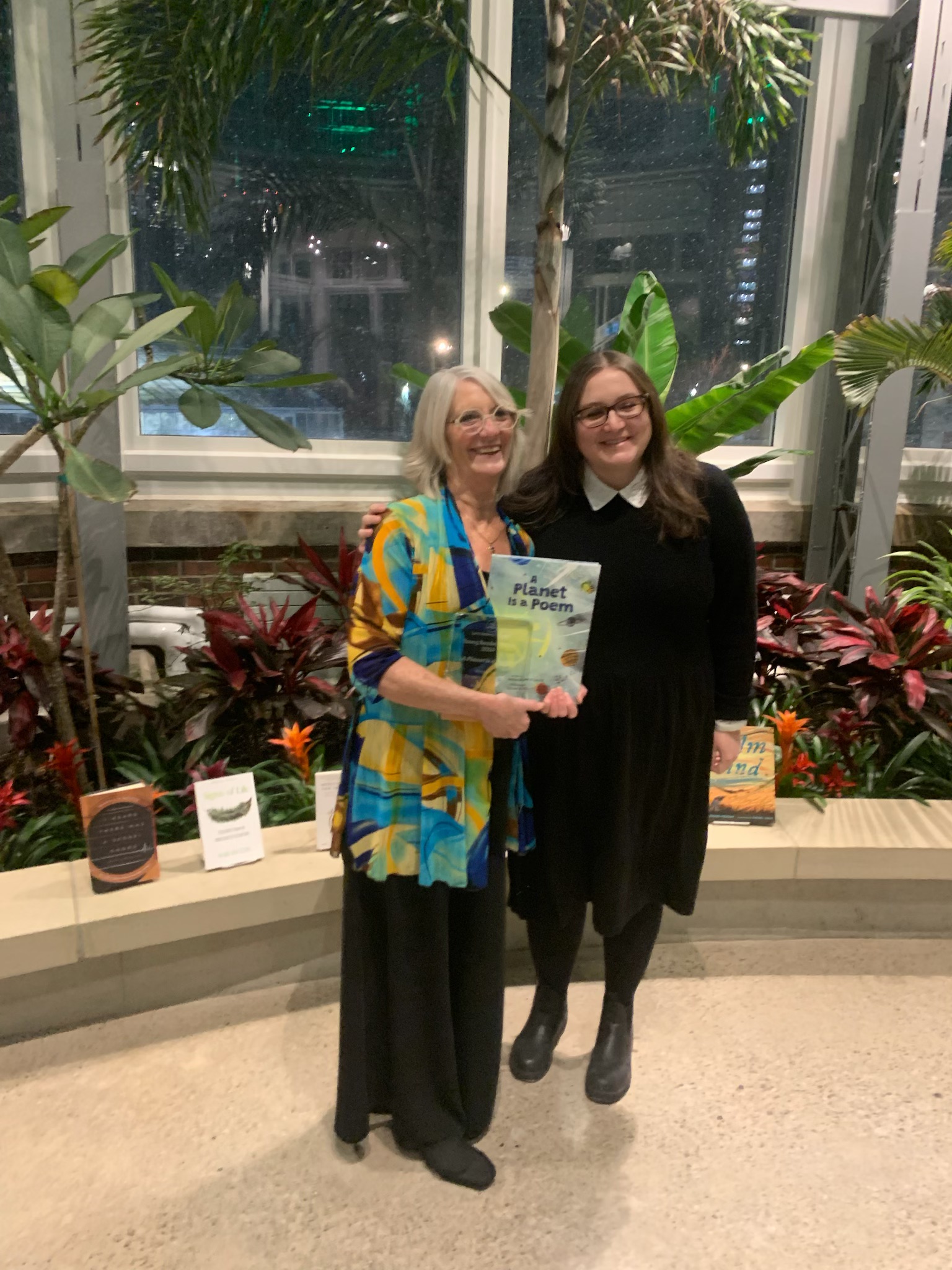
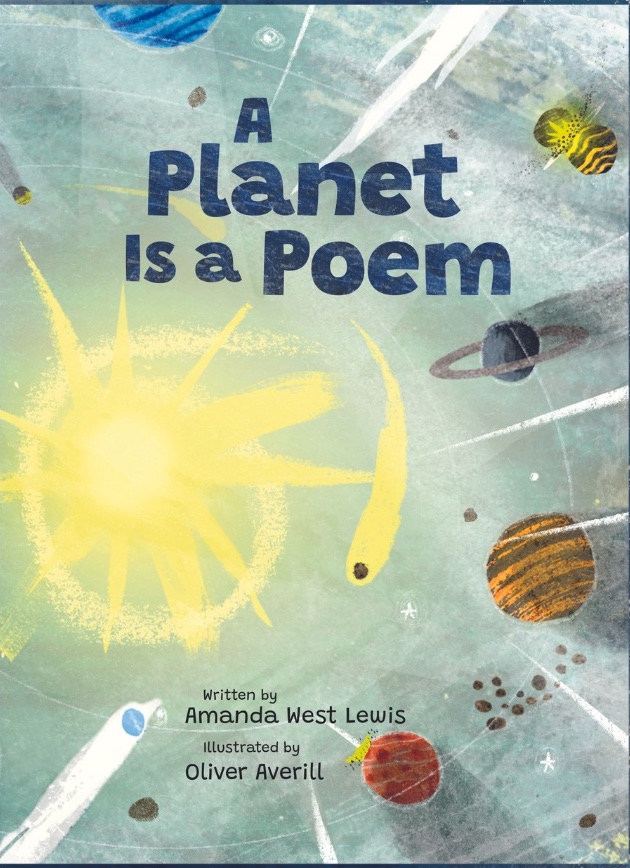
Last night, my book A Planet is a Poem was honoured with the Lane Anderson Award for science writing in Canada, youth category. So much of the credit goes to my editor, Kathleen Keenan, at Kids Can Press. She is a visionary!
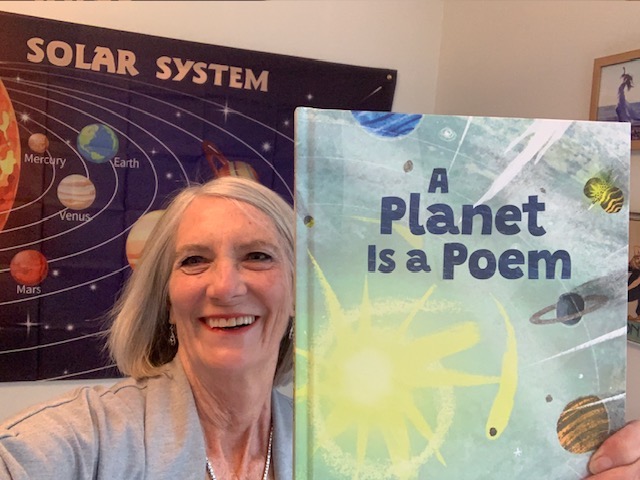
The book combines an exploration of the Solar System with an exploration of poetic forms. For me, science and poetry are a natural pairing — they are both ways of trying to understand the world through metaphor and imagery.
Before we were presented with the results, each nominee was asked to say something about their book. Here is what I said:
First of all, let me say how incredibly honoured I am that A Planet is a Poem has been shortlisted for the Lane Anderson Award. To be recognized for science writing is humbling –– especially as I am not a scientist. I’ve spent my life in the arts. But I think that artists and scientists have, at base, a common, shared desire to make sense of the world. We may have different approaches, but our need to express our curiosity comes from the same root.
It’s thrilling when a passionate scientist makes sense of their area of expertise for a lay person. You hear that passion every week on the CBC radio show Quirks and Quarks. (I’m a big fan.) In each episode, you hear passionate scientists sharing their latest discoveries –– a beetle, a volcano, the discovered moons of Saturn.
But many of the things that scientists need to explain are huge concepts beyond our understanding. To bring their knowledge to non-scientists, they must find language that describes the indescribable. Inevitably, they resort to metaphor and imagery. And in doing that, scientists and artists share a common language. Poetry.
In 2015, Quirks and Quarks featured a number of reports from the New Horizons Space Probe. The probe had just sent back the first “close ups” from Pluto. The scientists could barely contain their excitement. They talked about Pluto having a red, heart-shaped plateau on it that ebbs and flows. Just like a beating heart, they said. What an image! A beating heart on the edge of our solar system! Who couldn’t fall in love with that? Then someone on the program said: “The skies above Pluto appear as bright blue.” Blue skies? Blue skies on the edge of the solar system? I quoted that line to everyone I knew. “The skies above Pluto appear as bright blue.” “Did you know: The skies above Pluto appear as bright blue?”
At the time, I was in the midst of studying into different poetry forms. I heard rhythm in everything. “The skies above Pluto appear as bright blue” is iambic tetrameter.
As an exercise, I decided to use that rhythm and make a Pantoum for Pluto. A Pantoum is a complex poetic form, like a puzzle. I’d never written one, and I liked the alliteration of “A Pantoum for Pluto”. Suddenly I was deep in imagery, metaphor, rhythm, rhyme and exciting new science. I dug deeper. I was doing exactly what scientists need to do –– explain things through image and metaphor to excite and spark people’s imagination.
I became hooked on poetry and planets. I was lucky enough to connect with my editor Kathleen Keenan at Kids Can Press. She, too, is mad about poetry and planets. Since I was deeply into studying different poetic forms, Kathleen suggested I try writing about each planet in a different form.
So I set to work researching the planets. As I researched, I realized that they had wildly different characteristics. I’m primarily a novel writer and a theatre person, and when you write a novel or a play you get to know your characters intimately. You learn their rhythms, their pace, their idiosyncrasies, their likes and dislikes. The planets presented themselves to me in the same way –– as characters in the great play of the Solar System. I realized wanted to support their uniqueness by pairing them with different poetic forms. Thus, Mercury, who spins very quickly, is contained in a fast-paced poem with rhythms that echo Dr. Seuss. “Mercury’s tiny/ Of planets the smallest/ But named for a god/who was known as the fastest.” There is, incidentally, a crater on Mercury called Dr. Seuss. Uranus, who spins sideways like a barrel and has a huge corkscrew-like magnetic tail that stretches for millions of miles, is written in free verse that echoes its unique, “free spirit” nature. And Pluto? Pluto is not a Pantoum – however much I loved the alliteration of A Pantoum for Pluto. No, Pluto is in a Companion poem with Charon, the two of them permanently linked and inseparable. Two poems that twine together.
The book became an interconnected way for young people to learn about our Solar System and about poetry.
When I was a little girl, I went to the Hayden Planetarium in New York. I had no knowledge of the night sky, other than the occasional glimpse of the moon. I was a city girl, and visions of stars, let alone planets, were not easy to come by. But that trip to the planetarium, with its mechanical whirling planets, sparked my little girl imagination. Writing this book was my gift to that child, and to all children, especially those who are not scientifically minded, those who live in cities and can’t see the stars, but are young people whose scientific imaginations can be sparked though the arts and go on to have a greater understanding of the world around them.
In fact, I actively avoided writing poetry. There are SO MANY bad poems in the world. And I had to say, so many people who write bad poetry. And yet, even after writing a novel in verse and a book of poetry about the planets, I would be very hesitant to call myself a poet.
But poetry has always been a huge part of my life. I studied calligraphy when I was young, eventually becoming a full-time calligraphic artist. I spent countless hours lettering beautiful poems. As an actor, my voice training included work with vibrant poems of all genres, spoken, memorized and incorporated into performances.
But compose a poem? Never.
When I did my first residency for my MFA in writing for children and youth (VCFA), we were assigned Steven Fry’s book The Ode Less Travelled. This deliciously funny, wicked, irreverent book on writing and reading poetry forced me to realize that my years of reading, lettering and speaking poetry had left a mark. Words were deep in my cells –– the look of them, the sound of them, the rhythm, skip and beath of them, the feel of them in my mouth, lips and chest.
Words are the building blocks for any writer. But as a writer for young people, I needed to embrace my role as a writer who constructed meaning from little bits of sound. Children learn language through playing with words, and I needed to rediscover a sense of play. I needed to get over myself.
Still, I am more comfortable with boundaries. I need discipline around the edges, not a free for all wallowing in self-centred bliss. As I read more picture books, I discovered the American poet Joyce Sidman. Sidman writes nature books, combining information with the language of poetry. Her book Caldicott winning book Dark Emperor and other Poems of the Night is a masterful combination of sound that explores the world of night creatures. This is fabulous, I thought. I can do that!
I’m a regular listener to the CBC show Quirks and Quarks. Every week, there is something new –– some beetle, some volcano, some newly discovered moon of Jupiter, some surprising discovery that connects us to the universe around us. I began trolling through Quirks and Quarks for interesting subjects, doing further research. I wrote poems about the Wandering Glider, lowly Mites, and the newly discovered Dracoraptor and Therapoda dinosaurs. But it was when I discovered new findings from Pluto that I went crazy.
Poor little Pluto, bouncing between classifications as a Planet and a Dwarf Planet, little Pluto has a red, heart-shaped plateau on it that ebbs and flows as though it was a beating heart! It has skies that are bright blue! Who couldn’t fall in love with that?
But how to actually structure a poem? At that point, I was studying different poetry forms and had just discovered the Pantoum and voila! Alliteration! A Pantoum for Pluto! It was a marriage made in poetry heaven.
But one poem does not a collection make. And one poem does not make a poet.
I started discussing the idea of a book of poems about new discoveries in our solar system with Katie Scott at Kids Can Press. Because of my background in poetry, we came up with the idea of choosing a different poetic form for each planet. The characteristics of each planet would influence the choice of poetic form. Young people would learn about the planets AND learn about poetry. Brilliant, I thought. I get to learn more about poetry while I am learning about the planets! Bring it on!
Had I had ANY idea of how hard this was, I would have run away screaming. I am not a scientist nor am I a poet. What on earth was I thinking?
Eight years later, A Planet is a Poem is coming out from Kids Can Press. I am thrilled, and of course terrified. I’m confident in my facts (if you can’t trust NASA, who can you trust?), but aware that to aspire to good poetry is to aspire to divinity. You can see it, you can love it, but you can never achieve it. Still, it is a book I am proud of because if combines the logic of poetic forms with the wonders of the solar system. The discipline of art is married to the mystery of science.
I would still be hesitant to call myself a poet. I love the process, the puzzle, and the agony of working with words. But poetry is sacred. It is the purest form in which we can convey ideas, and I haven’t yet achieved that effervescence, that translucence that I aspire to. But I am no longer afraid to try. Because I will always love the bounce, thrum, wobble, and slither of language. It’s what we have that connects us to our world.