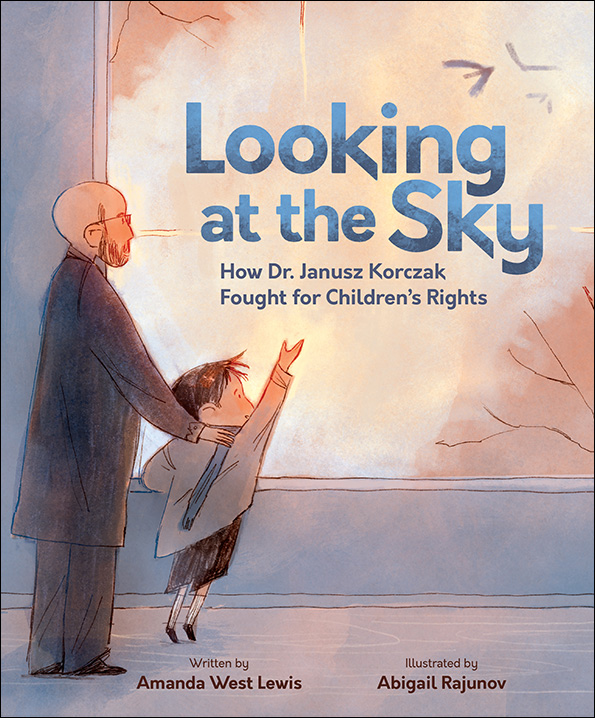
I work in a number of different genres and media –– theatre, calligraphic book arts, literary arts. My books for young people are in various genres –– craft books, non-fiction books, picture books, poetry, middle grade, and YA fiction. For me, the challenge isn’t necessarily what to create, but which container is best for this idea?
By exploring ideas from many perspectives, I’ve found new things and come to a richer understanding of what I was trying to say.
Every creative project is different, of course, just as the ultimate audience for each piece will be different. In fact, I’ve worked on the ideas in Looking at the Sky in different forms for over twenty years.
I first heard the story of Dr. Janusz Korczak in 2005 from the landlord for the theatre school I was running (The Ottawa School of Speech & Drama). Leon Gluzman, had been a resident at Korczak’s orphanage in Warsaw and when I met him over eighty years later, he was still emotional when he talked about “Pan Doctor” –– Janusz Korczak.
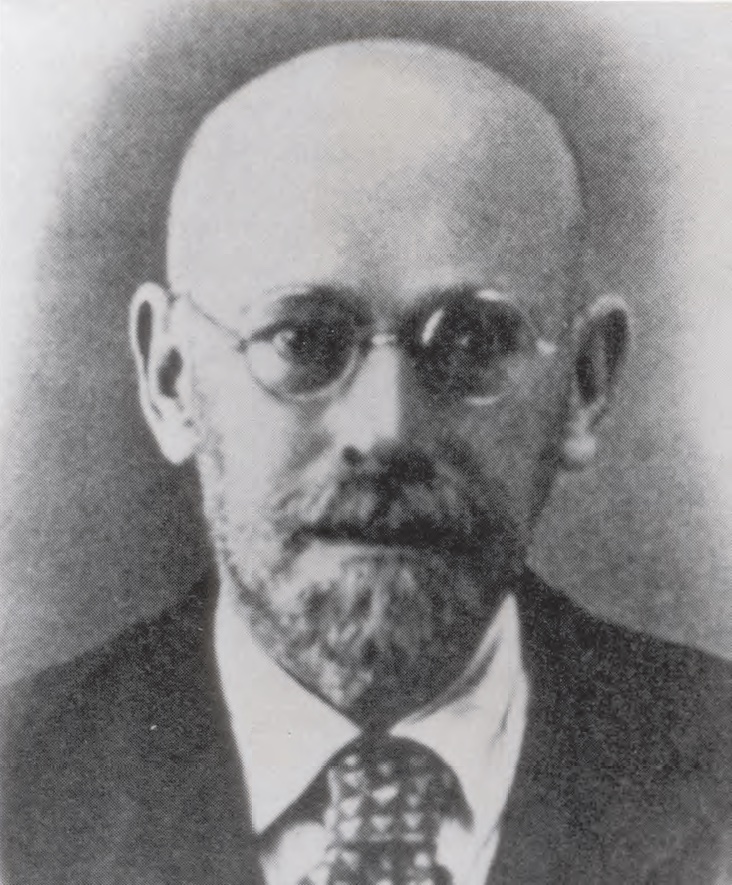
Born Henryk Goldszmit. 1878-1942
Korczak was a Polish pediatrician, children’s right’s advocate, director of orphanages, and children’s book author. He founded the first national newspaper edited and written by children, hosted a regular national radio show for children and adults, travelled internationally to speak on how to educate and raise children with respect. In his day he was world-famous. That didn’t prevent his murder in the Holocaust. He died in 1942 along with 200 children and teachers from his orphanage.
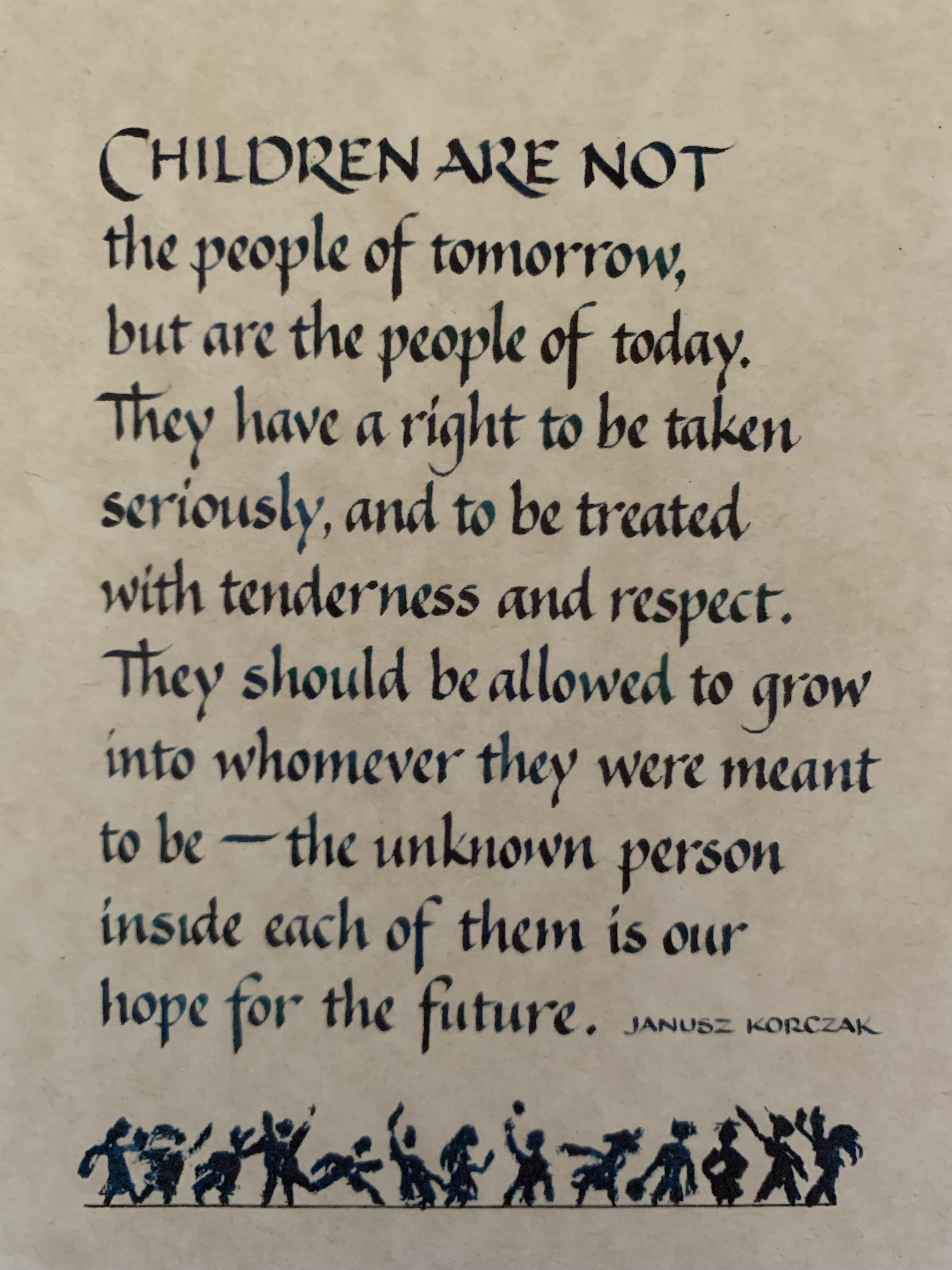
Korczak’s important legacy was to change the way that people thought about children. He is revered for his commitment to young people. His writings became the foundation for the UN Convention on the Rights of the Child. But his work and life are not well known. After learning about him, I wanted to change that.
In 2006, I decided to work with a group of young people at the theatre school to workshop a play about Korczak. The students interviewed Leon and researched Korczak. They dove deeply into war-torn Poland and, inevitably, into the Holocaust. That two-year workshop process was a moving and personal experience for all of us.
In 2009, we decided to take it to the next level and commissioned playwright Hannah Moscovitch to write a play that worked with child actors as well as adults to tell the story. I co-produced The Children’s Republic with the Great Canadian Theatre Company (G.C.T.C) in Ottawa.
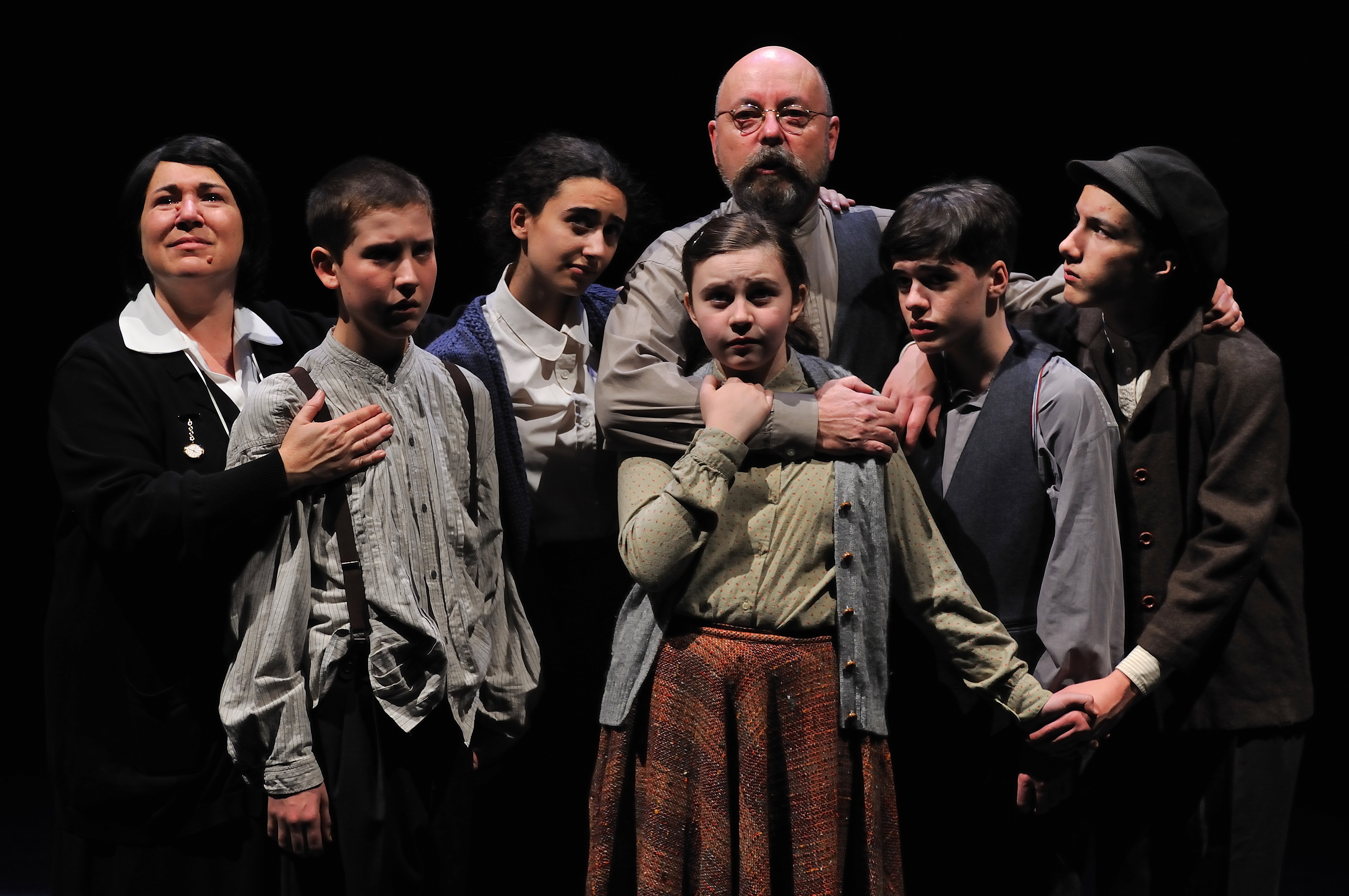
It was wonderful to bring Korczak’s story to life on the stage. However, as the years passed after that production, I felt that I wasn’t “done” with the story. The play, while suitable for young audiences, spoke from an adult perspective. I wanted to show young people Korczak’s ideas, to shine a light on his relationship to the children in his care, to show what it was like to live in the orphanage, and to see how that experience affected their lives.
But whose perspective should I write it from? Korczak’s or a child’s? What kind of “container” did it need?
In 2015, I went back to university to do an MFA in writing for children and young adults. The “Korczak” story was something I kept coming back to. I tried writing a middle grade biography, but it was flat and heavy. (My mentor at the time said, “I have to get you out of the Second World War!”) Then in 2017, I was studying picture book biographies and started trying to write his story as a picture book manuscript. At that point I knew I needed to tell the story from the perspective of a child. But I was having a hard time finding a way for the manuscript to be engaging.
I continued to research and explore different aspects of his life, but trying to contain everything into an 800-word picture book was a challenge to say the least! However, in 2021, I had a manuscript that I thought might work. I submitted it to my editor at Kids Can Press with whom I was working on A Planet is a Poem.
Her response was what my inner voice had been telling me, but I had been studiously ignoring. “There’s too much material here for a picture book.” But her next sentence took me totally by surprise. “Have you ever thought of writing a graphic novel?”
Truth be told, I never had. I had hardly read any graphic novels! But I leapt in and started researching how on earth to write one.
It turns out writing a graphic novel is like storyboarding a film script. Not that I’ve written a lot of film scripts. But I’ve written a lot for theatre, worked onstage as an actor, off-stage as a director, producer, and stage manager. Suddenly I was combining all of these skills but in a whole new container. I knew the story I wanted to tell. I knew the characters and the arc of the material. It didn’t take long for me to envision scenes and create “camera angles”. Close-ups, distance shots all came naturally as the “movie” began to play out in my mind. I discovered how to create tension in pacing by working with the size and frequency of the panels.
And best of all, I had more room than I would have had in a picture book. I could show more details from Korczak’s life and philosophy and give a better sense of the times in which he lived. In particular, I could find a way to contextualize the Holocaust for a young reader.
Not all publishers would go out on a limb and develop a graphic novel with a writer. Most graphic novels are written and illustrated by one person. But Kids Can decided that the story was important enough to take a chance on. They contracted the wonderfully sensitive Abigail Ranjov to take on the challenge of illustrating this complex story.
From theatre workshop to scripted play, from middle grade biography to picture book biography to graphic novel –– what I learned was that there are many different containers for stories and each container changes the nature of the story. As a writer, I, too, was changed. This process stretched me and helped me to discover what I really wanted to say and why it was important to say it. Writing the story as a graphic novel has allowed me to finally tell the story I needed to tell.


